Category: Obedience

  • Prioritizing Things Above

    We’ve been talking about setting our affections on things above. This daily devotional looks at how we priority God over all else.

    Nuggets

    • We are to put nothing before God.
    • Disciples need to make sure that worldly things do not choke out the things above.
    • Worldliness is the opposite of what God wants for us.
    • We prioritize Jesus above worldly things when we truly know Him.

    To read devotions in the Redo for Godliness series, click the appropriate button below.

    Devotions in the On Things Above series

    Setting our affections on things above is all about putting the priority on God. In doing thank, we minimize the pull of things of this world.

    We’ve been looking at Beveridge’s sermon Setting the Affections on Things Above one section at a time. This devotion is going to be a little different. One section was too small for this devotion, and the next section was too big for the next devotion.

    Resource

    So, we are going to combine this section with part of the next section. The heading titles (except the second section) are Beveridge’s words.

    Let’s Put It into Context #1

    Here is a running list of what we’ve discussed previously.

    Let’s Put It into Context #2

    When we look up the definition of affection in the Merriam-Webster Dictionary, it says, “the state of being affected.” Affect means “to act on and cause a change in (someone or something).”

    To read a related devotion, click the appropriate button below.

    In the Most Intense Degree

    “If anyone comes to me and does not hate his own father and mother, wife and children, brothers and sisters — yes, and even his own life — he cannot be my disciple” (Lk. 14: 26 CSB)

    We are to put nothing before God.

    We come to this verse, and it generally throws us for a loop. How could Jesus require hatred? Especially, how could He call us to hate our own family?

    This is one of those verses that we can’t just read at face value. We have to consider what it is really saying.

    Jesus wants us to put Him as our priority. God has to rank first above “… father and mother, wife and children, brothers and sisters — yes, and even his own life …” (Lk. 14: 26 CSB).

    When we do that, we are taking worldly things and putting them as a lower priority. Boston wrote, “The soul resigns all to the Lord; lays down all at His feet, to be disposed of as He will.”

    Resource

    Jesus wants us ready to serve Him when He calls. South said He wants to act — even when it is the opposite to what we think — when we are called to do so.

    Resource

    Does Jesus always ask us to give up family and friends to do His Will? No. He may sometimes. We have to ready to do what He asks.

    It isn’t that we just do things that Jesus calls us to do. We have to also lessen the pull this world has on us.

    It isn’t that we just do things that Jesus calls us to do. We have to also lessen the pull this world has on us.

    Jesus was trying to get the point across that we cannot serve two masters. “No one can serve two masters, for either he will hate the one and love the other, or he will be devoted to the one and despise the other. You cannot serve God and money” (Mt. 6: 24 ESV).

    Abernethy made a good point. If we do not give Jesus first priority, we are not worthy of Him. We are not worthy if we are not sincere.

    Resource

    We commit sin when we don’t put Christ before other things. Sins are actions by humans that disobey God and break one of His reasonable, holy, and righteous laws and commandments, goes against a purpose He has for us, or follows Satan’s promptings.

    • Covetousness is an inordinate greed for wealth and possessions.
    • Idolatry is the worship of an object that is below God that takes from God the worship that is His due.

    Let’s go back to that word hate. Finlayson said that it was a word that denoted strong feelings and actions.

    Again, I think we do ourselves a disservice if we don’t think about what this is really meaning.

    Finlayson reminded us that we are to hate others in the same way as we are to hate ourselves. “Whoever loves his life loses it, and whoever hates his life in this world will keep it for eternal life” (Jn. 12: 25 ESV). To me, that is saying priority again.

    Romans 12: 9 says “… Abhor what is evil; hold fast to what is good” (ESV). Read that again. Flat out hate evil.

    Remember what the greatest commandment is? “Love the Lord your God with all your heart, with all your soul, with all your mind, and with all your strength” (Mk. 12: 30 CSB).

    Glossary

    The opposite of love is hate. The opposite of good is evil. The opposite of God is Satan.

    God doesn’t want us to half-heartedly follow Him. He doesn’t want us to justify sin.

    Our goal should be to completely erase sin from our lives. Is that going to happen in this lifetime? No. But that is still our goal.

    Look at how Finlayson described the hate we should feel for sinful things. He wrote, “It is not merely that the Christian may, after a struggle, prefer to remain true to God and Christ, rather than gratify the selfish cravings of his own natural life; he may positively hate these selfish cravings when they are tempting him to forsake his duty.

    Resource

    We must live the way God wants us to live. That is putting Him above everything in this life.

    We must live the way God wants us to live. That is putting Him above everything in this life.

    The “What” of Prioritizing Our Lives

    “but the worries of this age, the deceitfulness of wealth, and the desires for other things enter in and choke the word, and it becomes unfruitful” (Mk. 4: 19 CSB)

    Disciples need to make sure that worldly things do not choke out the things above.

    This verse was part of the Parable of the Sower. It is the part where the seeds fall among the thorns.

    This, again, is all about influence. Jesus highlighted two areas: cares of this world and the deceitfulness of wealth. Pentecost called that person a “double-minded hearer.”

    Resource

    The thorns present a good picture of the Word of God being suffocated. Another picture I get is in Guardians of the Galaxy Volume 2 when Baby Groot is trying to put the bomb on Ego’s core. Ego was winning at that point, so the planet was closing in on all sides around Baby Groot.

    Satan doesn’t want us to prioritize God into the first position. That is where Satan wants to be. He will use anything he can to suffocate God’s Word.

    Beecher made a good point on the deceitfulness of riches. He wrote, “Riches are deceitful in the insidious growth which they promote of the desire for wealth, quite independent of what it is worth in its positive power.”

    Resource

    Robertson stressed that the ground was good enough to grow the thorns. It just couldn’t handle a plant and the thorns. Our hearts, too, aren’t able to support both good and bad.

    Resource

    We have to prioritize God over the thorns. Beveridge asked three questions that were designed to get us to evaluate our priorities.

    1. “What do you most think of?
    2. “What are you most loath to part with?
    3. “What do you spend most time about?”

    Resource

    We need to be intentional in evaluating the priorities of our lives.

    We need to be intentional in evaluating the priorities of our lives.

    There Is Nothing Else Worthy of Them

    “Do not love the world or the things in the world. If anyone loves the world, the love of the Father is not in him” (I Jn. 2: 15 CSB)

    Worldliness is the opposite of what God wants for us.

    Worldview people may question the difference between their view and disciples’ view. Sometimes, they just don’t get there is a difference.

    For example, they may question morality. They know the verse says “love one another” (Jn. 15: 12). They question why their morality isn’t that for which God is looking.

    Robertson answered that one. He wrote, “Religion differs from morality in the value which it places on the affections. Morality requires that an act be done on principle. Religion goes deeper, and inquires into the state of the heart.”

    Resource

    No, worldliness doesn’t mean we should be slackers.

    • “Know well the condition of your flock, and pay attention to your herds” (Prov. 27:23 CSB).
    • “Not slothful in business; fervent in spirit; serving the Lord” (Rom. 12: 11 KJV)

    You see, worldliness isn’t about just living in this world. Robertson explained it as desiring the things of this world. He basically described it in three words: external, temporary, and delusional.

    Jesus told us that the world should not be our focus. Aitken thought that should become more obvious to us as we come into contact with the world.

    To read a related devotion, click the button below.

    Resource

    Why aren’t we supposed to be of the world? The world is rebelling against God. That will bring His judgment on the world.

    God doesn’t want us to be a part of that.

    We aren’t supposed to choose to be a part of that.

    This Will Keep You From Doating (sic) on the World

    “More than that, I also consider everything to be a loss in view of the surpassing value of knowing Christ Jesus my Lord. Because of him I have suffered the loss of all things and consider them as dung, so that I may gain Christ” (Phil. 3: 8 CSB)

    We prioritize Jesus above worldly things when we truly know Him.

    We’ve talked about this verse more than I realized.

    Verse Commentary

    When we know Jesus and consider what He has done for us, we value what He has done.

    I know. Henry said that is usually backwards to the way it normally works.

    Resource

    But when we see that Jesus gave up Heaven, came to earth, died for us, and rose again, we see how little we should value things of this world.

    Boston said, though, that “Christ is not only to be enjoyed but to be confessed.” That goes along with Romans 10: 10: “For with the heart one believes and is justified, and with the mouth one confesses and is saved” (ESV).

    Resource

    Confessing our belief in Jesus — and then living it — will help us to keep from following the worldview.

    PrioritizeThingsAbovePin

    Making the Connections

    We have to realize that this is all about God and Jesus. It is all about God because He didn’t turn His back on us when we disobeyed Him. It is all about Jesus because He died for us.

    It isn’t about what we want or need out of this life. It isn’t about what we can or should do.

    It is about what God has already done for us.

    How Do We Apply This?

    Again, Beveridge’s three questions help us to evaluate our priorities were

    1. “What do you most think of?
    2. “What are you most loath to part with?
    3. “What do you spend most time about?”

    Resource

    • Make Jesus a priority by giving up worldly things that take His place.
    • Lay things at Jesus’ feet
      • Family
      • Possessions
      • Recognition
      • Our freedom
      • Our desires
      • Our life
    • Think of Jesus often.
    • Don’t be afraid of leaving our lives, even through death.
    • Decide to serve Jesus.
    • Obey whatever God calls us to do.

    Resource

    Father God. We humbly come before You. There is nothing we have done or could do that would restore our relationships with You. Jesus did it all. All we have to do is believe and live it. Help us do that. Amen.

    What do you think?

    Leave me a comment below (about this or anything else) or head over to my Facebook group for some interactive discussion.

    If you don’t understand something and would like further clarification, please contact me.

    If you have not signed up for the email daily or weekly providing the link to the devotions and the newsletter, do so below.

    If God has used this devotion to speak with you, consider sharing it on social media.

  • How Do We Set Our Love, Desire, Hope, and Joy Above?

    We are continuing our look at how to focus our thoughts on things above. This daily devotional looks at love, desire, hope, and joy.

    Nuggets

    • In order to successfully complete the greatest commandment, we have to set our love on God above.
    • Our motives must be based on serving Christ until we are called home.
    • Setting our affections on things above culminates in our being called home to Heaven.
    • Joy from above only comes when we are seeking God.

    To read devotions in the Redo for Godliness series, click the appropriate button below.

    Devotions in the On Things Above series

    Beveridge, in his sermon Setting the Affections on Things Above, talked about four areas where we are to focus on things above. That is love, desire, hope, and joy.

    Resource

    Let’s Put It into Context #1

    Here is a running list of what we’ve discussed previously.

    Let’s Put It into Context #2

    When we look up the definition of affection in the Merriam-Webster Dictionary, it says, “the state of being affected.” Affect means “to act on and cause a change in (someone or something).”

    To read a related devotion, click the appropriate button below.

    Love from Above

    “Love the Lord your God with all your heart, with all your soul, and with all your strength” (Deut. 6: 5 CSB)

    In order to successfully complete the greatest commandment, we have to set our love on God above.

    We have talked about this verse several times. But let’s look at it through the lens of setting our thoughts on things above.

    Deuteronomy is a book where God’s law were restated. However, Jesus said that this is the gospel message in a nutshell, as it is the greatest commandment.

    Verse Commentary

    Glossary

    Our relationship with God begins with the realization that God can be our Father. As we learn of Him, we learn of His character through His laws.

    We are told that — with everything in us — we are to love God alone. Home wrote, “It is pure, grateful, strong, affectionate, fervent, and reverent; specifically different from all earthly affection.”

    Resource

    Vaughan reminded us that God is asking for our love. He always allows us the choice of whether we are going to love him or not.

    Resource

    The direction is upward to God. “If you love me, obey my commandments” (Jn. 14: 15 NLT).

    If we are to obey God’s commandments, what obligations do we have? Love contended that the source was from the “… excellences of the Godhead …”

    Resource

    One thing we have to remind worldview people is they are not to follow disciples and how they interpret how we love. We are all called to love as is prescribed in God’s laws.

    Desire from Above

    “I am torn between the two: I desire to depart and be with Christ, which is better by far” (Phil. 1: 23 NIV)

    Our motives must be based on serving Christ until we are called home.

    Paul had a dilemma. He liked living in this world, but he really wanted to live with God and Jesus.

    Sibbes defined desire as “… anything set before the soul having a magnetical force to draw out the motives thereof … even though for the present the soul desires it not.”

    Resource

    Paul had just said “For to me to live is Christ, and to die is gain” (Phil. 1: 21 ESV). He knew that he would be perfected in Heaven.

    • The perfected state indicates the combination of the spiritual graces which, when all are present, form spiritual wholeness or completeness.
    • Spiritual graces are worldly morals that have been submitted to God to further His kingdom instead of enhancing this world. It means we have become as Jesus is.

    This world was not kind to Paul. Second Corinthians 11: 21-27 give us this list of what all he endured.

    Still, Paul gave every impression that he enjoyed being God’s missionary. Compassion oozed out of him. He wouldn’t have been the Energizer Bunny for God if he didn’t enjoy his work.

    Paul knew, if people were going to hear the good news, he was the one who was going to have to tell them. That was his job.

    Still, Paul knew Heaven is the end game. That is the prize for which we are striving.

    Bottom line, Paul was ready for whatever God had in his plan. Live or die. Live comfortably or die horribly.

    Paul desired what God desired.

    Arnot stressed that we need a balance between the two. He wrote, “To depart was far better. To stay was more needful.”

    Resource

    Spurgeon contended that Paul had that balance. He called Paul conscientious and logical.

    On top of that, Paul believed with every fiber of his being that Heaven awaited his arrival. This wasn’t because of anything he did. It was because Christ had sacrificed His life to restore his relationships with Father God.

    Resource

    We need to believe as Paul did.

    Hope from Above

    “We have also obtained access through him by faith into this grace in which we stand, and we boast in the hope of the glory of God” (Rom. 5: 2 CSB)

    Setting our affections on things above culminates in our being called home to Heaven.

    I know. We are talking about hope again. Hope is a future expectation, called a living hope, based on the confidence that our names will be found in the book of life.

    I know. Here we are taking about glory again, too. Glory expresses the splendor representing the attributes of God resulting from the authority of God.

    Let’s see what we can add to the discussion.

    • God’s glory is an eternal mystery that is hidden in the Father.
    • We are given glimpses in the Scriptures.
    • His glory is referred to as the splendor with which He is clothed.
    • It is a triumphant display of His attributes.
    • It is a display of His perfections.
    • We will see His glory when we are elevated to Him.
    • God’s glory is incomprehensible because it is overwhelming.

    Resource

    Because of Christ’s atonement, we have hope to inherit that which God has for us. Atonement is about repayment for a wrong. The repayment was the shedding of His blood.

    Hope in His glory is part of our inheritance. That will only happen after judgment day. That will only happen in Heaven.

    To reach Heaven, we must set our affections on things above. Focusing on this world will not gain us Heaven.

    Adams wrote, “The glory of God’s kingdom is to be ours in a sense vastly higher than anything we are said to possess in the present life.” This is the concept again of God elevating us to Him, not Him coming down to our level.

    Resource

    Glossary

    God’s priority is the condition of our souls. We must set our affections to ensure our soul is in His condition.

    Joy from Above

    “Though you have not seen him, you love him; though not seeing him now, you believe in him, and you rejoice with inexpressible and glorious joy” (I Pet. 1: 8 CSB)

    Joy from above only comes when we are seeking God.

    Maclaren wrote, “The act of faith is the condition of joy. Joy springs from the contemplation or experience of something calculated to excite it, and the more real, permanent, and all-sufficient that object the fuller and surer the joy.”

    Resource

    The way I read that is that joy is a product of our faith. Faith = Joy. No Faith = No Joy.

    Let’s say it this way. Faith promotes the circumstances that create joy.

    But it isn’t faith for this lifetime. It is faith at our Savior and Lord will bring us home to be with Sovereign God when it is the fullness of His time.

    Jay disagreed. He felt Joy was only experienced in this earthly world. He contended that Joy was a duty and a privilege.

    Resource

    Our joy comes from God.

    HowDoWeSetOurLoveDesireHopeAndJoyAbovePin

    Making the Connections

    Heaven is because Jesus is. We should want it based solely on it means our being with Christ.

    Spurgeon wrote this about our glory. He wrote, “The fulness of our glory is the resurrection.”

    Resource

    The most important thing is being with Christ. We do that when we have set our affections on heavenly heads.

    How Do We Apply This?

    • Make sure we give glory and honor to God.
    • Keep our arrogance in check because He is perfect and we are far from being perfect.
    • Make Be holy, because I am holy (I Pet. 1: 16 CSB) our standard.
    • Work to do the good to which God has called us.
    • Possess the living hope of spending eternity with Christ.
    • Humbly rest on Him to grow our faith.
    Make Be holy, because I am holy (I Pet. 1: 16 CSB) our standard.

    Father God. We look to You for love, desire, hope, and joy. We want to have Your character. Amen.

    What do you think?

    Leave me a comment below (about this or anything else) or head over to my Facebook group for some interactive discussion.

    If you don’t understand something and would like further clarification, please contact me.

    If you have not signed up for the email daily or weekly providing the link to the devotions and the newsletter, do so below.

    If God has used this devotion to speak with you, consider sharing it on social media.

  • How Else Do We Set Our Thoughts Above?

    We are looking at how to focus our thoughts on things above. This daily devotional looks at setting our thoughts on a Jesus and the Scriptures.

    Nuggets

    • We are to think of Christ and His sacrifice each time we partake in the Lord’s Supper.
    • We are to consistently read God’s Word so that the connection formed with Him will help us corral our thoughts.

    To read devotions in the Redo for Godliness series, click the appropriate button below.

    Devotions in the On Things Above series

    In the last devotion, we started talking about setting our thoughts on things above. We talked about our thoughts and how we set them on God. It ran long, so we are finishing it up in this one.

    We have been looking at Beveridge’s sermon entitled Setting the Affections on Things Above. We are about ready to wrap the series up. So, let’s dig in.

    Resource

    Let’s Put It into Context #1

    Here is a running list of what we’ve discussed previously.

    Let’s Put It into Context #2

    When we look up the definition of affection in the Merriam-Webster Dictionary, it says, “the state of being affected.” Affect means “to act on and cause a change in (someone or something).”

    To read a related devotion, click the appropriate button below.

    Setting Our Thoughts on Christ

    “And he took bread, gave thanks, broke it, gave it to them, and said, “This is my body, which is given for you. Do this in remembrance of me’” (Lk. 22: 19 CSB)

    We are to think of Christ and His sacrifice each time we partake in the Lord’s Supper.

    We just looked at this passage. It is part of our Luke’s Diagnosis and Prescription series in the Sunday Morning Bible Study. There, we look at it as preparation for salvation.

    To read a related devotion, click the button below.

    We talked about how we need to prepare ourselves to know Jesus as our Savior. We do that by spending time with Him in order to decide to believe in Him. We must choose Jesus and then learn more of Him.

    We didn’t get down to the “do this in remembrance of me” verse. That is the important verse for this discussion.

    Bradley pointed out that the remember me implies there is previous knowledge. He wrote, “He must have occupied much of our thoughts, have entered into our hearts, and been lodged in the deepest recesses of our minds.” The love has to be there.

    Resource

    An important component of taking the Lord’s Supper is the retrospection that we do in preparation for the actual ordinance. “Everyone ought to examine themselves before they eat of the bread and drink from the cup” (I Cor. 11: 28 NIV).

    We are to examine two different things. I’ve always considered that we need to figure out what we need to get right before we partake in the Lord’s Supper.

    • We are to remember the sacrifice that Jesus made for us. Are we acknowledging that He is the Savior, the only way we could gain salvation
    • We are to examine our hearts and lives. Are we navigating the Sanctification Road as we should? Have we gotten our redo for godliness to the heart level?

    Resource

    If we stop and think about it, God has told us in several places that we need to remember. We need to remember how He has provided for us in trials. We need to think about how God has saved us from difficult circumstances.

    Glossary

    Having those memories — and dusting them off and contemplating on them — help us to corral our thoughts. When our thoughts want to run away with us, we can simmer down when we remember how God has provided in the past.

    Ridgeway took the Lord’s Supper discussion to another level. He wrote that those partaking in the Lord’s Supper are

    1. “Those who know how poor their love is, and want to love God more.
    2. “Those who are trying to serve God, and fail because they are weak, and need strength.
    3. “Those who are sinful, but desire to become holy.
    4. “Those who are careful and troubled about many things, and long for rest.”

    So, Ridgeway was pointing out, I think, more the contrast between God and us. We are to come acknowledging our need for Him rather than kicking ourselves that we don’t meet the standard.

    Resource

    It is all about coming humbly and reverently. It is about setting our thoughts on Him and acknowledging we would be nothing without Him.

    That helps us to remember that God is powerful enough to handle whatever situations in which we find ourselves. Our thought can chill because He’s got this.

    Baylee took an even different track. He said that part of the remember me was to remind Jesus of us. This presented an opportunity for us to remind Him of our needs and wants.

    Resource

    I don’t think we need to remind Jesus because He has forgotten us. I think we need to do the reminder because God requires us to ask for things. He doesn’t just give them to us — like we are entitled to them. They are gifts for which we ask.

    Setting Our Thoughts on Scripture

    “But they delight in the law of the LORD, meditating on it day and night” (Ps. 1: 2 NLT)

    We are to consistently read God’s Word so that the connection formed with Him will help us corral our thoughts.

    We looked at this verse before, too. The nuggets we came up with were

    • We are to set our mind on the Godview, not the worldview.
    • An easy progression to be drawn into sin through the worldview is to walk, stand, and sit in the presence of sin.
    • Following God’s laws brings benefits: joy and understanding.
    • We must choose to follow all of God’s laws daily, not just those we want to follow when we want to follow them.

    To read a related devotion, click the button below.

    Kingsley argued that we are not talking the Mosaic law here. We are talking the law that God writes on our hearts and minds. We are talking will and worship.

    Resource

    The meditating, according to Tymms, was conformed with an active life. It is a communion with the Heavenly Father through His Word.

    Resource

    But read the verse again. “But they delight in the law of the LORD …” (Ps. 1: 2 NLT). Where do we access God’s law?

    In the Scriptures.

    So, this Psalm is saying that we need to be delighted in reading our Bibles. Smith wrote, “He is conversant with Holy Scriptures; his meditation is concerning the ‘law,’ that is, the heavenly doctrine which shows the will of God and His worship, what man must and ought to believe and do to gain eternal life. It is his daily study and continual exercise. Not that he doth nothing else; the meaning is, he setteth some time apart daily to serve God.”

    Resource

    We need to prayerfully read the Scriptures, asking God to increase our knowledge and submissiveness. Morgan said that we gain stability and fruitfulness as well as beauty and success.

    Resource

    Jowett made a great point. God’s laws and commandments are spread out over His Word. However, he wrote, “Love is the essence of law.”

    Another point Jowett brought up was that we can’t read a couple of verses and think God is pleased with our devotional efforts. We can’t think we are going to learn all about God and Jesus with a five-minute read.

    We have to consistently study God’s Word and meditate on what we have read. We want to know the character of God, because that is what we have to imitate.

    Resource

    Making the Connections

    Our relationships with God happen in our minds and in our hearts. That means the relationships are greatly impacted by our thoughts.

    We have to structure our thoughts so they grow our relationships with God, not hinder them. We have to put the focus on Him.

    Yes, we can question God. We cannot doubt Him. We have to always give Him the glory and honor He is due.

    HowElseDoWeSetOurThoughtsAbovePin

    How Do We Apply This?

    • Work out our salvation by navigating the Sanctification Road. Daille told us that sanctification is the actual goal of redemption.
    • Make our meditations deliberate. Horton warned us to avoid what would promote contradictory thoughts.
    • Meditate continually on the social graces. Hall noted we should include evaluation that leads to accountability.
    • Start our day with a meditation, one that shows we are putting God as a priority, not just putting in a couple of minutes to check off that requirement.
    • Put our thoughts into practice through our conduct.
    • Grow in grace.
    • Come humbly to the Lord’s Supper table to acknowledge our unworthiness and His generosity.
    • We need to remember what Jesus accomplished on Calvary and what He is currently accomplishing in our lives.
    • We need to bury ourselves in God’s Word.

    Resource

    • Sanctification is the transformation of mind, body, and soul, which begins with regeneration, gradually changes our nature through the promptings of the Holy Spirit, and ends with perfected state of spiritual wholeness or completeness.
    • The perfected state indicates the combination of the spiritual graces which, when all are present, form spiritual wholeness or completeness.

    As we corral our thoughts and focus more on God, our relationships will grow. That is what God wants.

    Father God. We come to You wanting to focus even more on You. Help us to prioritize You and Your workings in our lives as most important. Any we grow in grace and knowledge of You. Amen.

    What do you think?

    Leave me a comment below (about this or anything else) or head over to my Facebook group for some interactive discussion.

    If you don’t understand something and would like further clarification, please contact me.

    If you have not signed up for the email daily or weekly providing the link to the devotions and the newsletter, do so below.

    If God has used this devotion to speak with you, consider sharing it on social media.

  • How Do We Set Our Thoughts Above?

    At times, it feels like our thoughts can make or break us. This daily devotional begins our look at setting our thoughts above by as they pertain to God.

    Nuggets

    • We set our thoughts above when we are pursuing godly perfection.
    • We set our thoughts above by thinking of God, thereby strengthening our relationships with Him.

    To read devotions in the Redo for Godliness series, click the appropriate button below.

    Devotions in the On Things Above series

    We just got finished studying Philippians 4: 8. It was the basis of the Moralities Lead to Godliness series.

    Devotions in the Moralities Lead to Godliness series

    I was kind of surprised that Beveridge, talking about what we are to set above, hooked it to this verse. Now, don’t get me wrong. I think thoughts are a biggy to give Him.

    Resource

    I just think there are better verses to use to instruct us to set our thoughts above. I mean, our thoughts do need to be all the things listed here — but so do a lot of other things.

    Let’s see if anyone else went this way.

    Apparently, they did. I am going to have to break this into two. We are going to leave the connections and application for the next devotion.

    Let’s Put It into Context #1

    Here is a running list of what we’ve discussed previously.

    Let’s Put It into Context #2

    When we look up the definition of affection in the Merriam-Webster Dictionary, it says, “the state of being affected.” Affect means “to act on and cause a change in (someone or something).”

    To read a related devotion, click the appropriate button below.

    Setting Our Thoughts Above

    “Finally brothers and sisters, whatever is true, whatever is honorable, whatever is just, whatever is pure, whatever is lovely, whatever is commendable — if there is any moral excellence and if there is anything praiseworthy — dwell on these things” (Phil. 4: 8 CSB)

    We set our thoughts above when we are pursuing godly perfection.

    Pope went in the same direction that Beveridge was going. He wrote that we need to corral our thoughts to focus on pursuing perfection.

    If we focus our thoughts on God, we can renounce our self-righteousness and focus on the righteousness gained through faith. Faith is the conviction that the doctrines revealed in God’s Word are true, even if we do not understand all aspects of them, a belief which impacts our lives.

    Pope interpreted this verse as Paul’s admonishment to train our minds to gain a high degree of faith. This is important. Pope felt that “the ‘thinking’ signifies that intent contemplation of perfection which feeds the soul’s regenerate longing to attain it.”

    Resource

    • Regeneration is being changed from spiritually dead to spiritually alive and the internal requickening in us that God brings about through the work of the Holy Spirit to give us new character.
    • Spiritual death is the separation from God that occurred as a consequence of Adam and Eve’s original sin. The spiritually alive are those who have ABCDed, so they are no longer separated from God.

    Glossary

    The ABCDs of Salvation

    If you have not become a believer in Christ, please read through the
    Plan of Salvation and prayerfully consider what God is asking you to do.

    A – admit our sins
    B – believe His Son Jesus is our Redeemer
    C – confess God as Sovereign Lord

    D – demonstrate that commitment by making any changes needed in our lives to live the way in which God has called us

    The Disciple’s Job Description

    Oh, yeah! We want regeneration.

    Meditation is a big part of achieving regeneration. Pope said that disciples need to think of the end goal — perfection — as a whole.

    Horton said that is because the spiritual graces spring from the same root, making thinking of them as a whole easy. If some of the spiritual graces are absent, our character is defective.

    Resource

    Pope said disciples also have to make sure we consider each individually. We have to specifically work on, as Horton said, those spiritual graces that are out of character for us.

    I can see that. When we were going through the attributes of God, we said they were all interconnected.

    But we do know there are some that we are better at than others. So, we need to meditate on them more than the others.

    Hall felt there some other things that needed to go into the thought process. He felt the meditation should include evaluation that leads to accountability. Hall also cautioned that this was not a once-and-done exercise.

    Resource

    Pope also reminded us that we can’t stop at the thinking stage. We have to put our spiritual graces into practice. Spiritual graces are worldly morals that have been submitted to God to further His kingdom and lead to holiness instead of enhancing this world.

    If our morals don't come through submission to God, they are just worldly morals, not spiritual graces. But then we have to grow the spiritual graces to holiness.

    God is the one to accomplish that change from thought to practice. We, however, have to be diligent in doing our part.

    Horton said that our thoughts have a chicken-and-egg thing going on here. He wrote, “Our thoughts partly result from our disposition, and partly create it. In the former light they may serve as a test of our real state to ourselves. But mainly we would speak of the thoughts as tending to form character. Such thoughts are those voluntary ones which we choose to indulge.” Our thoughts do direct the way we grow.

    Resource

    So, once we get our thought corralled, how are we supposed to set them on things above?

    Setting Our Thoughts on God

    “God, how precious your thoughts are to me; how vast their sum is! If I counted them, they would outnumber the grains of sand; when I wake up, I am still with you” (Ps. 139: 17-18 CSB)

    We set our thoughts above by thinking of God, thereby strengthening our relationships with Him.

    Does it give you a warm feeling to think that God is thinking of you right now? Not only that, we’ve talked a couple of times how God delights in us.

    To read a related devotion, click the appropriate button below.

    Tuck wrote, “Nothing can be more delightful than to feel that by our loving obediences, our sweet spirit of submission, and our devoted services to others, we are starting happy thoughts in the mind of God.”

    Resource

    When we feel God close, we tend to think more about Him. Those thoughts turn to joy.

    Tuck gave us a progression our thoughts take.

    • Historical interaction with God.
    • Our interaction with His handiwork.
    • Personal experience.
    • Different forms of interaction based on salvation.

    Thinking of God promotes delight and consolation. Spurgeon wrote, “The thoughts of God often move the souls of Christians, strengthening them in faith, arousing them to love, bestirring them to zeal.”

    Resource

    Think about verse 18. “… when I wake up, I am still with you” (Ps. 139: 18 CSB).

    I know we talked about it once, but I can’t find it. There are three definitions of sleep used in Scriptures.

    One is the physical sleep that we know. The second is sleep because our sin separates us from God. The third is eternal separation from God.

    Sleep 1 and Sleep 2 apply here. We retire to our beds for Sleep 1, and God is right there. We wake up hours later, and God is still right there. God never leaves us.

    GodNeverLeavesUsVerses

    Sleep 2 means we are separated from God because we have not ABCDed. But the wonderful news thing is that God is right there when we come to Him for salvation. We just have to genuinely submit our lives to Him.

    Sometimes even after we ask Jesus to be our Savior, we fall back asleep. God is right there waiting for us to come back to Him.

    The only sleep we don’t want is the eternal sleep. That means judgment day has occurred and we didn’t genuinely ABCD. Our sentencing will be separation from God as we spend eternity in hell.

    To read a devotion in the Hell Does Have Fury series, click on the appropriate button below.

    When I read these verses, I see a genuine, simplistic relationship. There is humility and wonder. There is longevity.

    There is true love.

    Father God. It is so hard to corral our thoughts at times. The stress of this world demands our attention. Then, we day dream for how we wish life would be — knowing our lives will never go that way. We need to keep focused on You. We need to ensure that our relationships with You are where they should be. Help us to look solely to You. Amen.

    HowDoWeSetOurThoughtsAbovePin

    What do you think?

    Leave me a comment below (about this or anything else) or head over to my Facebook group for some interactive discussion.

    If you don’t understand something and would like further clarification, please contact me.

    If you have not signed up for the email daily or weekly providing the link to the devotions and the newsletter, do so below.

    If God has used this devotion to speak with you, consider sharing it on social media.

  • More Benefits of Setting Our Affections on Things Above

    God has promised us several things when we set our affections on Him. This daily devotional ends our look at the benefits promised by discussing the benefit of the path of life and the benefit of having a purpose.

    Nuggets

    • God directs our lives, which lead to joy and pleasure when we are in His presence.
    • We are rewarded when we choose God to be our Sovereign Lord.

    To read devotions in the Redo for Godliness series, click the appropriate button below.

    Devotions in the On Things Above series

    Before we get started, I wanted to tell you that my minor surgery I talked about in the last devotion went well. I had no problems with the anesthesia and am not experiencing any pain. Thank you for your prayers. They were answered!

    We have been looking at Beveridge’s sermon entitled Setting the Affections on Things Above. We are still in section five looking at the why we are to set our affections above. To me, these looked like benefits for obeying God.

    Resource

    Let’s Put It into Context #1

    Here is a running list of what we’ve discussed previously.

    Let’s Put It into Context #2

    When we look up the definition of affection in the Merriam-Webster Dictionary, it says, “the state of being affected.” Affect means “to act on and cause a change in (someone or something).”

    To read a related devotion, click the appropriate button below.

    The Benefit of the Path of Life

    “You reveal the path of life to me; in your presence is abundant joy;
at your right hand are eternal pleasures” (Ps. 16: 11 CSB)

    God directs our lives, which lead to joy and pleasure when we are in His presence.

    Varley had an interesting comment. He wrote, “BUT NONE CAN SAY WHAT LIFE IS, any more than we can say what electricity is, what gravitation is. We see it, we feel it, we are conscious of it; but that is all. We know it only by its manifestations …”

    Resource

    Okay. There is an uncertainty to life. We make our plans, but we aren’t sure what is really going to happen.

    Only God knows the past, present, and future. He is in control.

    Notice the joy and pleasure is only found in the presence of God. It we aren’t in God’s presence — communicating with Him — we don’t have it.

    Mankind is made in God’s image, but we are not all children of God. God is not a dictator, forcing us to worship Him.

    Aitken reminded us that there are two paths in life. He called them the way of life and the way of man. We’ve talked before calling them the narrow gate and the wide gate.

    Resource

    Glossary

    What is the same is that it is our choice which path we will go down.

    In order to make the choice, we need to know about where the two paths lead. One leads to Heaven and joy and pleasure. The other leads to hell and torment. The way to Heaven is right while the other way only seems right, but isn’t.

    Holme brought up a good point. The path of life starts with the death of Christ. If He hadn’t sacrificed Himself to pay the debt for our sins, we would still be spiritually dead.

    Resource

    Life only really starts when we become disciples of Christ.

    Life only really starts when we become disciples of Christ.

    The Benefit of Having a Purpose

    “The LORD has prepared everything for his purpose — even the wicked for the day of disaster” (Prov. 16: 4 CSB)

    We are rewarded when we choose God to be our Sovereign Lord.

    One of my favorite verses is Jeremiah 29: 11. “For I know the plans I have for you, declares the LORD, plans for welfare and not for evil, to give you a future and a hope” (Jer. 29: 11 ESV).

    God has plans for providing for us. Yes, some may be for us to prosper, as the New International Version translates it. But while we always benefit from those plans, we may not consider the trials we go through as prosperity.

    Go back to Proverbs 16: 4. Light wrote, “The Lord Jehovah hath wrought, performed, all things for Himself. The final end of all Divine proceeding is God’s own glory.”

    Resource

    The creation of us was for God’s glory and honor, not our prosperity. Clarke said it as “The good pleasure of God is the only reason why things were brought into being at all.”

    Resource

    But let’s look at what the King James Version says. “For I know the thoughts that I think toward you, saith the LORD, thoughts of peace, and not of evil, to give you an expected end” (Jer. 29: 11 KJV).

    It is more than God has a road map of how our lives are supposed to go. It is more than we are to be successful in our lives.

    It is that every thought God has for us are ones that promote peace. “Peace I leave with you; my peace I give to you. Not as the world gives do I give to you. Let not your hearts be troubled, neither let them be afraid” (Jn. 14: 27 ESV).

    A peace — not as the world gives — not a successful, prosperous life.

    A peace — “… peace of mind and heart …” (Jn. 14: 27 NLT).

    How do we get a peace of mind and heart? We ABCD and rock the D part.

    The ABCDs of Salvation

    If you have not become a believer in Christ, please read through the
    Plan of Salvation and prayerfully consider what God is asking you to do.

    A – admit our sins
    B – believe His Son Jesus is our Redeemer
    C – confess God as Sovereign Lord

    D – demonstrate that commitment by making any changes needed in our lives to
    live the way in which God has called us

    The Disciple’s Job Description

    It is all about redemption. God’s #1 priority is the condition of our soul. Is it spiritually dead or spiritually alive?

    So, then, that last part kind of flys up and hits us in the face, doesn’t it? God created “… even the wicked for the day of disaster” (Prov. 16: 4 CSB).

    But — when we sit down as process it — we’ve said that before — sort of.

    God knew before He even created us that we would disobey Him and let sin into the world. He knew the consequences of that sin would be spiritual death and separation from Him.

    God made us anyway.

    To rectify that, God designed the Plan of Salvation. He asked Jesus to be the Sacrifice to pay the debt for our sins. Jesus said yes!

    But God knew that not all of mankind would accept His gift of salvation. He knew that some who said they accepted the gift of salvation really didn’t.

    God made us anyway.

    To read a related devotion, click the appropriate button below.

    Glossary

    One of the terms used in Scriptures to describe non-believers is wicked. God doesn’t want any of us to choose to be wicked. “Turn to Me and be saved, all the ends of the earth! For I am God, and there is no other” (Isa. 45: 22 ESV).

    God knows that there will be those who choose to be wicked. There would have to be a judgment day.

    But, still. Everything God has created is tied into His purpose. Waterland said, “… He makes use of all things as He pleases …”

    Resource

    God uses the believers and the non-believers to further His plans. He uses the good things and the bad things to reveal Himself to us.

    God uses the believers and the non-believers to further His plans. He uses the good things and the bad things to reveal Himself to us.

    Making the Connections

    Maclean reminded us that God did not create us to be sinners. When He created us, we were made in His image.

    Mankind was the one who let sin into the world. We disobeyed God and brought the punishment on ourselves.

    What God did, as Maclean said, was “… made all things for Himself. He is the origin, and He is the end. There are, indeed, subordinate ends, but they lose themselves, as it were, in God, the great end of all.”

    Resource

    God is the beginning and the end. Jesus is the Alpha and Omega.

    MoreBenefitsOfSettingOurAffectionsOnThingsAbovePin

    How Do We Apply This?

    Bottom line is we have to communicate with God. Aitken wrote, “The highest faculty of our nature is that spiritual capacity which enables us to hold communion with God. And also because it is the way in which alone life can be sustained. And further, because it leads to life.”

    Resource

    • Varley reminded us that to achieve a true spiritual life, we must live in balance with God and our environment.
    • It is part of the disciple’s job to help others as they are walking their paths to find the narrow gate. Holme said we do this as we live our own lives.
    • We have to watch as we are walking our paths that we don’t take a fork in the road and shoot off in the wrong direction.

    Resource

    Being disciples of Christ brings us benefits. Maybe we won’t get the good stuff until Heaven, but we will have them for eternity.

    Father God. You promised to reward us when we obey You. Thank You for the leading us through this life and giving us a purpose. We pray that we will be obedient to You. Amen.

    What do you think?

    Leave me a comment below (about this or anything else) or head over to my Facebook group for some interactive discussion.

    If you don’t understand something and would like further clarification, please contact me.

    If you have not signed up for the email daily or weekly providing the link to the devotions and the newsletter, do so below.

    If God has used this devotion to speak with you, consider sharing it on social media.

  • Benefits of Setting Our Affections on Things Above

    God has promised us several things when we set our affections on Him. This daily devotional begins looking at the benefits promised, which include riches and honor.

    Nuggets

    • Our lives here on earth determine the treasures stored up for us in Heaven.
    • God will honor those who are obedient to Him.

    To read devotions in the Redo for Godliness series, click the appropriate button below.

    Devotions in the On Things Above series

    We have been looking at Beveridge’s sermon entitled Setting the Affections on Things Above. We are still in section five looking at the why we are to set our affections above.

    Resource

    The why looked, to me, like the benefits we receive. Let’s jump in.

    Let’s Put It into Context #1

    Here is a running list of what we’ve discussed previously.

    Let’s Put It into Context #2

    When we look up the definition of affection in the Merriam-Webster Dictionary, it says, “the state of being affected.” Affect means “to act on and cause a change in (someone or something).”

    To read a related devotion, click the appropriate button below.

    The Benefit of Treasures in Heaven

    “Don’t store up for yourselves treasures on earth, where moth and rust destroy and where thieves break in and steal. But store up for yourselves treasures in heaven, where neither moth nor rust destroys, and where thieves don’t break in and steal. For where your treasure is, there your heart will be also” (Mt. 6: 19-21 CSB)

    Our lives here on earth determine the treasures stored up for us in Heaven.

    We may not be hoarders, but we sure like to accumulate. For some, it is just having the new and improved. For others, we do have the sense of needing things.

    The things on this earth are temporary. “… Earth and heaven fled from his presence, and no place was found for them” (Rev. 20: 11 CSB).

    What will be important is the treasures we are collecting in Heaven. Vaughan said those treasures would be “everything done for God’s grace and glory …” He gave us a list of some areas where our choices could go for or against God’s grace and glory.

    • Friend choice
    • Motives
    • Faith

    Resource

    Davis equated this storing up with making deposits in a bank. However, unlike a bank, we know that God is self-sufficient. He does not need other beings to help Him run the storehouse. Because He is omnipotent, the treasures will be completely safe.

    Resource

    To read a related devotion, click the appropriate button below.

    Collecting our treasures shows the priority that we are making God in our lives. It is the evidence of our belief.

    CollectingOurTreasures

    The Benefit of Honor

    “Therefore, this is the declaration of the LORD, the God of Israel: ‘I did say that your family and your forefather’s family would walk before me forever. But now,’ this is the LORD’s declaration, ‘no longer! For those who honor me I will honor, but those who despise me will be disgraced’” (I Sam. 2: 30 CSB)

    God will honor those who are obedient to Him.

    Let me give you a little background here. Eli was the priest at Shiloh. He was the priest to whom Hannah entrusted the education and raising of Samuel, the great prophet.

    To read a related devotion, click the button below.

    Eli’s sons did not follow through on the sacrifices as God directed. They would appropriate portions of meat before it was cooked.

    This angered God so much that He chose to disallow Eli’s family from further service as priests. In fact, God decreed that Eli’s sons would die on the same day.

    I gave you that background to get to where we want to be. “… For those who honor me I will honor, but those who despise me will be disgraced’” (I Sam. 2: 30 CSB).

    God said that He would not put up with people disobeying His laws and commandments. He had very specific instructions for how priests were to conduct the sacrifices.

    We are living sacrifices. He has very specific instructions for us.

    I know I am a broken record about this, but that is because I feel it is important. We can’t keep on sinning and think God will turn a blind eye.

    God isn’t in the business of giving fire insurance. He is in the business of bestowing salvation on us when we genuinely admit that mankind was separated from God after the original sin, making us sinners; believe Jesus paid the penalty for those sins to become our Savior and Redeemer; confess God as Sovereign God; and demonstrate that commitment by submitting to living our lives following His laws and commandments.

    • Salvation is the gift of life through the deliverance from evil and the consequences of sins to replace them with good and eternal life.
    • The consequences of sin are spiritual death and physical separation from God.
    • Spiritual death is the spiritual separation from God that occurred as a consequence of Adam and Eve’s original sin. The spiritually alive are those who have ABCDed, so they are no longer separated from God.
      • Eternal life is the promise of living eternally – even if we have died in this life – because we have admitted, believed, and confessed.

    The ABCDs of Salvation

    If you have not become a believer in Christ, please read through the
    Plan of Salvation and prayerfully consider what God is asking you to do.

    A – admit our sins
    B – believe His Son Jesus is our Redeemer
    C – confess God as Sovereign Lord

    D – demonstrate that commitment by making any changes needed in our lives to
    live the way in which God has called us

    The Disciple’s Job Description

    Glossary

    This confession has to be genuine. It has to be at the heart level.

    The demonstration part is important after conversion. It is not part of salvation, but it is a big part of evidence of our salvation.

    Barrow brought up the point that this judgment came from God Himself. He didn’t delegate it to Gabriel to tell who the person who told Eli. Twice in this verse it said variations of “… this is the declaration of the LORD …” (I Sam. 2: 30 CSB).

    Jortin described what it is to honor God. He wrote, “To honour God is to frame to ourselves just and worthy notions of Him, of His perfections, of His power, wisdom, justice, goodness and mercy, to reflect upon them with pleasure and respect, to love Him, to trust in Him, to desire to resemble Him as nearly as our nature permits, and in all things to consult His will as the rule of our life. To honour God is to declare openly before men by our behaviour that we reverence Him, and would choose above all things to approve ourselves to Him. To honour God is to be constant in the performance of all public acts of religion. To honour God is to improve our abilities, and to discharge the duties of our station in a manner which shall procure respect to the religion which we profess.”

    Resource

    How else do we honor God?

    • Macaulay said we trust and serve God.
    • The Homilist said we should revere Him.
    • Spurgeon said we honor God by believing in His Word and acknowledging that He has authority to rule over us.
    • Myers said we hold on when the tempest is raging.
    • Gibson said we follow the greatest commandment.
    • Hackett said we live in harmony with Him.

    Glossary

    Resource

    Why should we honor God? I mean, this is Sovereign God we are talking about. Does He really need us?

    • God created us to do just that.
    • We get joy out of doing it.
    • Honoring God leads to imitating God.
    • Our spot in eternity is riding on it.
    • God possesses immense power.
    • God’s character — His love, grace, mercy, forgiveness, and all His other attributes — are perfect.
    • God provides for us.
    • We should be grateful for His goodness.
    • We should acknowledge that He is Sovereign God.

    Resource

    Yes, God gets the honor, but we get so much, too.

    • He equips us for His work.
    • He adopts us.
    • He gives us joy.
    • He keeps His promise that we are pardoned.
    • He gives us peace.
    • He gives us righteousness.
    • He gives us a crown of glory.

    Resource

    We have to remember that this is an if…then situation. If we honor God, He will honor us. We can’t have one without the other.

    BenefitsOfSettingOurAffectionsOnThingsAbovePin

    Making the Connections

    Let’s go back to Eli a second. By all accounts, it looks like Eli did right. He conducted his priestly functions as was required by God. He was respected as a priest.

    So, where did Eli go wrong? Alford wrote, “They [The sons] knew that their father’s piety was just conformity to what he saw around him: was just amiableness, propriety, acquiescence in that which he found among the servants of God in his tabernacle.”

    Alford further explained it this way. He wrote, “Eli, falling among the decent and the religious, knowing his duties, and having inherited perhaps a feeling of their sacred nature, did what was expected of him: his sons, falling among the unprincipled and profligate, being taught to look on their sacred duties as decent forms merely, did what was expected of them: ran riot with their ungodly companions; being destitute of leading principle, drifted onward from bad to worse; openly disgraced the solemn service of the sanctuary by their greediness and by their sensuality.”

    Resource
    Alford’s Honor and Shame
    https://biblehub.com/sermons/auth/alford/honour_and_shame.htm

    Resource

    Conformity to others isn’t what God wants. He wants conformity to Him.

    How Do We Apply This?

    I love what Vaughan had to say. He wrote, “You send on your affection to occupy heaven; you have a present enjoyment of your reversion. You increase your treasure in heaven by continued acts of faith in Jesus Christ.”

    Resource

    We are changing our character to imitate that of God’s. That stores up our treasures while it makes this life more enjoyable. We do it because of faith.

    What do we need to do?

    • Always look to God, even through the times we may be struggling to obey Him. We have to do this with our inward life as well as our outward life.
    • Don’t be like Eli who had religion but not a relationship with God.
    • We need to obey God’s laws and commandments.
    • We should observe all of God’s ordinances. Ordinances are an expression of the disciples’ obedience.
    • We must believe His truths.
    • When we sin — and we will — we need to repent.
    • We need to be docile to that God, in all of His wisdom, can teach us.
    • When God tests us and allows trials, we need to patiently accept His Plan.

    Resource

    I plan to finish up Beveridge’s benefits in the next devotion. I am having some minor out-patient surgery. Hopefully, I can still get it done.

    Father God. You promised to reward us when we obey You. Thank You for the riches and the honor You will give us. We pray that we will be obedient to You. Amen.

    What do you think?

    Leave me a comment below (about this or anything else) or head over to my Facebook group for some interactive discussion.

    If you don’t understand something and would like further clarification, please contact me.

    If you have not signed up for the email daily or weekly providing the link to the devotions and the newsletter, do so below.

    If God has used this devotion to speak with you, consider sharing it on social media.

  • Why Do We Set Our Affections Above?

    God wants us to build relationships. This daily devotional looks at three relationships disciples should build to set their affection on things above.

    Nuggets

    • We should set our affections above because that is where our loving Heavenly Father is.
    • Our relationship with God has some aspects of a husband/wife relationship.
    • Jesus considers us His brothers and sisters.

    To read devotions in the Redo for Godliness series, click the appropriate button below.

    Devotions in the On Things Above series

    We have been looking at Beveridge’s sermon entitled Setting the Affections on Things Above. We started switching in the last devotion from looking at things below to looking at things above.

    In looking at why we should do that, Beveridge said that “Our chief relations are three.” Disciples are part of God’s family. Let’s check out some of the family members.

    Resource

    Let’s Put It into Context #1

    Here is a running list of what we’ve discussed previously.

    Let’s Put It into Context #2

    When we look up the definition of affection in the Merriam-Webster Dictionary, it says, “the state of being affected.” Affect means “to act on and cause a change in (someone or something).”

    To read a related devotion, click the appropriate button below.

    Our Father

    “‘Don’t cling to me,’ Jesus told her, ‘since I have not yet ascended to the Father. But go to my brothers and tell them that I am ascending to my Father and your Father, to my God and your God’” (Jn. 20: 17 CSB).

    We should set our affections above because that is where our loving Heavenly Father is.

    Kollock explained how God is Jesus’ Father and our Father.

    • God and Jesus have the same nature. “I and the Father are one” (Jn. 10: 30 ESV).
    • When we ABCD, we are adopted into God’s family and become His children.

    Resource

    Glossary

    The ABCDs of Salvation

    If you have not become a believer in Christ, please read through the
    Plan of Salvation and prayerfully consider what God is asking you to do.

    A – admit our sins
    B – believe His Son Jesus is our Redeemer
    C – confess God as Sovereign Lord

    D – demonstrate that commitment by making any changes needed in our lives to
    live the way in which God has called us

    The Disciple’s Job Description

    Parsons explained it this way. He wrote, “The reason why the Most High is thus represented is, because from His creative will and power men derive their being, and because by His providential arrangements and care their being is supplied and preserved. Hence His paternal character is extensive as the world and permanent as time.”

    Resource

    God has always been and will always be our Father. In fact, God made a covenant with Jesus and us.

    Glossary

    Lilley detailed how God acts as mankind’s Father.

    1. “In bringing them into existence.
    2. “In stamping upon them His own image.
    3. “In providing for their needs in the bounties of nature.
    4. “In redeeming them from sin.
    5. “In adopting them into His heavenly family.
    6. “In arranging life so as to discipline them.”

    Resource

    Glossary

    We know that our Heavenly Father can and will provide for us. “Therefore do not be anxious, saying, ‘What shall we eat?’ or ‘What shall we drink?’ or ‘What shall we wear?’ For the Gentiles seek after all these things, and your heavenly Father knows that you need them all” (Mt. 6: 31-32 CSB). We don’t have to seek after these like non-believers do.

    We know that we can’t add to our lives ourselves. “Can any of you add one moment to his life span by worrying?” (Mt. 6: 27 CSB).

    We like to think that eating healthy and exercising will help us live longer. It really won’t.

    God has our days numbered (Job 14: 5). When He has decided our time is up, we are out of here.

    Because our loving Heavenly Father cares for us, we should worship Him. Worship is our personal or corporate response of admiration (confession, thanksgiving, praise, etc.) based on our attitude to God’s presence and our imitation of His character. We are to worship His being perfect.

    To read a related devotion, click the appropriate button below.

    Paget made the accusation that we do not give God the reverence that is due Him. I think that is true. I think we as humans are inadequate of fully giving the Sovereign Holy God the worship He deserves.

    I also know that there are many that do not feel God deserves worship and reverence at all. Paget called this a “… want of respect for the presence, power, and majesty of God, arising from thoughtlessness or practical unbelief.”

    Resource

    We need to set our affections on God. He will change us to be more like Him.

    why-do-we-set-our-affections-above

    Our Husband

    “Indeed, your husband is your Maker — his name is the LORD of Armies — and the Holy One of Israel is your Redeemer; he is called the God of the whole earth” (Isa. 54: 5 CSB)

    Our relationship with God has some aspects of a husband/wife relationship.

    I know the church is called the bride of Christ. We sorta kinda talked about it once. We said that disciples are called the bride of Christ because there will be a marriage ceremony once we are called home. In this ceremony, Christ’s church will be made perfect.

    To read a related devotion, click the button below.

    Hutcheson explained why this analogy is used. He wrote, “The Lord will be unto His people what a faithful husband is to his wife, and they are allowed to expect it, and in the faith thereof, to profess and avow Him, in the exercise of true religion.”

    Resource

    That faithfulness implies a cohesive unit. “But whoever is united with the Lord is one with him in spirit” (I Cor. 6: 17 NIV).

    A marriage projects a loving relationship. That is what God is wanting, a relationship with us build on love.

    Our Family

    “For the one who sanctifies and those who are sanctified all have one Father. That is why Jesus is not ashamed to call them brothers and sisters” (Heb. 2: 11 CSB)

    Jesus considers us His brothers and sisters.

    Anderson made an interesting statement. He wrote, “Jesus sanctifies both Himself and His people with His own blood, expiating and purging away their sins, and fitting them, and Himself as their Surety, for coming with acceptance into the presence of the holy God.”

    Resource

    I guess I have never considered Jesus sanctified Himself. Anderson explained that it was necessary once Jesus assumed our sin. He took on our debts and was, therefore, accountable for them.

    • Sanctification is the transformation of mind, body, and soul, which begins with regeneration, gradually changes our nature through the promptings of the Holy Spirit, and ends with perfected state of spiritual wholeness or completeness.
    • Regeneration is being changed from spiritually dead to spiritually alive and the internal requickening in us that God brings about through the work of the Holy Spirit to give us new character.
    • Spiritual death is the separation from God that occurred as a consequence of Adam and Eve’s original sin. The spiritually alive are those who have ABCDed, so they are no longer separated from God.
    • The perfected state indicates the combination of the spiritual graces which, when all are present, form spiritual wholeness or completeness.
    • Spiritual graces are worldly morals that have been submitted to God to further His kingdom instead of enhancing this world.

    Glossary

    The good news is, because we are the bride of Christ, His righteousness becomes ours. “For our sake he made him to be sin who knew no sin, so that in him we might become the righteousness of God” (II Cor. 5: 21 ESV).

    We can set our affections above because we have gained access to God once we are changed to possess Jesus’ righteousness. He was made like us in body, mind, and soul in order to make the substitution.

    We always say that Jesus is the firstborn. We also know that, according to Jewish inheritance customs, the first born always received a double portion.

    Medhurst stated it doesn’t work that way in Heaven. He wrote, “Jesus, the elder Brother, gets nothing apart from those whom He is not ashamed to call His brethren.” It sounds like we are Jesus’ inheritance!

    Resource

    Medhurst did go on to say that what Jesus will receive as an inheritance will be shared with us.

    Fisk gave us the rundown on how we can be called brothers and sisters of Christ.

    • Christ came in a sinful body but did not sin so that His death could atone for our sins.
    • We are adopted into the family.
    • There is a family resemblance.

    Resource

    WhyDoWeSetOurAffectionsAbovePin

    Making the Connections

    God wants to be our Father. “Don’t be afraid, little flock, because your Father delights to give you the kingdom” (Lk. 12: 32 CSB). He wants our relationships restored so that we can spend eternity with Him.

    We have to keep things in perspective. Anderson reminded us that we can access God — even though we are still in these sinful bodies — because of our belief in Jesus.

    But that doesn’t mean God hates our sin less. It is okay because “Christ is the culmination of the law so that there may be righteousness for everyone who believes” (Rom. 10: 4 NIV).

    Resource

    How Do We Apply This?

    Paget noted that, “In order to serve God acceptably, we must serve Him ‘with reverence and godly fear.’”

    Resource

    Glossary

    We must

    • Honor God by obeying His laws and commandments.
    • Do the work He calls us to do to expand His kingdom.
    • Trust in Him to provide for us.
    • Submit to both His Will and His correction.
    • Exhibit His character in ours.
    • Reflect, repent, and pray.
    • Be thankful for God’s deliverance and kindness.
    • Remember that God is a jealous God and will not allow divided worship.

    Resource

    We are to fear God. We know that is the Old Testament term for being godly.

    Yes, that is the change — the affect — we are looking for when we are setting our affections on things above. We want to be like God.

    Father God. We do want to exhibit Your character. We want those around us to look at us and see You. Help us to make the needed changes. Amen.

    What do you think?

    Leave me a comment below (about this or anything else) or head over to my Facebook group for some interactive discussion.

    If you don’t understand something and would like further clarification, please contact me.

    If you have not signed up for the email daily or weekly providing the link to the devotions and the newsletter, do so below.

    If God has used this devotion to speak with you, consider sharing it on social media.
  • How Do We Set Our Affections Above?

    Instead of setting our affections on earthly things, we are to set our affection above. This daily devotional looks at how we are to seek God first.

    Nuggets

    • Instead of pursuing sin, we are to seek God before anything else.
    • We need to seek the kingdom of which God is the Ruler.
    • We are to seek God’s righteousness because then we are truly seeking God.
    • When we seek God, we will find Him.

    To read devotions in the Redo for Godliness series, click the appropriate button below.

    Devotions in the On Things Above series

    We have been looking at Beveridge’s sermon entitled Setting the Affections on Things Above. We’ve been focusing on things below.

    Resource

    “You Have Better Things to Mind” was actually the last point on the last devotion — the consequences of putting our affections on earthly things. At a minimum, I saw it more of a transition to how we set our affections on things above.

    So, I saved it for now.

    But then I looked at the next section, and it has a point that doesn’t seem like it fits the next group but does here. So, we are going to look at it now.

    Let’s Put It into Context #1

    Here is a running list of what we’ve discussed previously.

    Let’s Put It into Context #2

    When we look up the definition of affection in the Merriam-Webster Dictionary, it says, “the state of being affected.” Affect means “to act on and cause a change in (someone or something).”

    To read a related devotion, click the appropriate button below.

    Seek Ye First

    “But seek first the kingdom of God and his righteousness, and all these things will be provided for you” (Mt. 6: 33 CSB)

    Instead of pursuing sin, we are to seek God before anything else.

    Tillotson described what seeking God means. He likened it to a continuous journey. I thought it was interesting that he said it is filled with habit that is second nature to us — we don’t have to think about what we are doing. It is characterized by care, diligence, zeal, earnestness, patience, and perseverance.

    We are to make God our priority. Jay said that is putting Him first in time and attention.

    Resource

    But what does the verse say? We are to attempt to find freedom from sin by following God’s moral laws.

    Attempt. That means we aren’t there yet.

    What is imperative is that we have to be moving in the right direction. We are to be moving away from sin and toward God’s moral laws. Good described that as the management of the body being transferred to the soul.

    Resource

    Unfortunately, worldview people don’t want to follow God’s laws and commandments. They feel that God’s regulations take the enjoyment out of life.

    Cadman addressed that. He wrote, “Religious ordinances not merely for enjoyment, but to strengthen for the toil of life. But men postpone their salvation. This is against God’s ordinance, ‘Seek first.’”

    Resource

    Life isn’t just about enjoyment. Life is too hard for that. We need strength.

    “The LORD is my strength and my defense ; he has become my salvation. He is my God, and I will praise him, my father’s God, and I will exalt him” (Ex. 15: 2 NIV).

    God gives us strength.

    The Kingdom of God

    We need to seek the kingdom of which God is the Ruler.

    The kingdom of God is a spiritual kingdom that describes His sovereign reign. So, how to do seek the kingdom first?

    Vaughan said that seeking first the kingdom of God was “to have the whole of one’s heart in subjugation to God.”

    Resource

    Villiers included that it has to be a personal interest. We can’t be seeking God because of what He can provide us.

    Resource

    We have to seek God because He is Sovereign God and loves us.

    Cemetary with Colossians 3: 1

    And His Righteousness

    We are to seek God’s righteousness because then we are truly seeking God.

    God’s righteousness is the result of His being pure. God’s purity stems from the fact that He cannot sin.

    How about us? Righteous means we are free from sin because we are following God’s moral laws.

    Villiers wrote, “The righteousness named is the Christian character in all the details of practical religion. To seek them, is to desire these above all other things.” Vaughan explained it as, “There is a righteousness composed of all the perfections of the life of Christ.”

    Resource

    We have to watch, though. We can’t delude ourselves into thinking we can do okay on a couple of the laws and commandments but fall way short on the rest — and it will be okay.

    Pastor Tim preached on this today. He said, “If we don’t meet every one of [God’s laws and commandments], we fail all of them.”

    I am not sure I didn’t get this word for word, so click on the link and listen. This is about minute 56 (the whole sermon is great). But in a nutshell, Pastor Tim said …..

    • We have allowed the idea that we can be marginally faithful — at least to everyone around us.
    • We can do everything right: be a church attender, get baptized, and even pray a prayer.
    • Even if everyone stands up at our funeral and says what a good person we are, we aren’t.
    • There are no good men and women — we are all sinners.

    Resource

    We have to seek God completely. It should be our strongest desire to be more like Him.

    We have to seek God completely. It should be our strongest desire to be more like Him.

    What Happens When We Seek Things Above?

    “As for me, I shall behold your face in righteousness; when I awake, I shall be satisfied with your likeness” (Ps. 17: 15 ESV)

    When we seek God, we will find Him.

    It is a little confusing sometimes to read that we will see God’s face when He is a Spirit. He doesn’t have a face.

    We will “see” something, though. Howe reminded us that Moses saw God’s glory. He also said that “the act of the mind is called seeing.”

    Resource

    Macdonald felt that God’s character is considered His face. We are to see that because we are to imitate His character.

    We only see God’s face through righteousness. (That is why we are to seek first His kingdom and righteousness.)

    Resource

    Jay took it another way. He said seeing God’s face meant the beholder has His favor. The way we gain His favor is to increase in righteousness.

    Resource

    We get this righteousness through Jesus. Howels said that “It involves everything in it necessary to deliver and to save man forever and ever.”

    Resource

    The Homilist said that we gain not satisfaction through earthly things. Only by discovering God and seeking things above — by actively navigating the Sanctification Road so that our character is changed to be like His — do we gain satisfaction.

    Resource

    We just have to remember that we aren’t searching for satisfaction for this life. Oh, God will give us some.

    In reality, we are looking for heavenly satisfaction. Mathews wrote, “The work of this life is only preparatory, and therefore incomplete. Imperfection is the just characterisation (sic) of this world.”

    Resource

    We are seeking God on His throne. That means we are seeking Heaven.

    HowDoWeSetOurAffectionsAbovePin

    Making the Connections

    I didn’t really want to get into the last part of the verse. I wanted to keep the focus on setting our affections on things above.

    But I liked what Melvill had to say. He wrote, “Things are only of value as God blesses them; God’s gifts are better than His permissions. The promises of prosperity in the New Testament are small.”

    Resource

    We should seek what God values. He values our salvation and obedience.

    How Do We Apply This?

    • Seek ye first has to be a seeking at the heart level.
    • The spiritual triumphs over the earthly as the anxiety over the earthly gets demoted.
    • Vaughan wrote, “… there is a kingdom around you, which is God’s Church, which is your foremost duty to extend.” That means we out church as a priority.
    • We have to utilize the resources God has given us to obtain grace.
    • The Holy Spirit has to be allowed to work in us to increase our righteousness.
    • We have to do all the steps in seeking God.

    Searching for and Seeking God

    Hearing His Word (Rom. 10: 17).
    Reading His Word (Rev. 1: 3).
    Praying to Him (Heb. 4: 16).
    Studying His Word (Ac. 17: 11).
    Meditating on His Word (Ps. 1: 1-2).
    Memorizing His Word (Ps. 119: 11).

    Resource

    God wants us to seek a relationship with Him. That relationship, though it starts here, will last throughout eternity.

    Father God. We do seek You. We seek You to change us to be more like You. Help us to navigate the Sanctification Road so that we may live eternally with You. Amen.

    What do you think?

    Leave me a comment below (about this or anything else) or head over to my Facebook group for some interactive discussion.

    If you don’t understand something and would like further clarification, please contact me.

    If you have not signed up for the email daily or weekly providing the link to the devotions and the newsletter, do so below.

    If God has used this devotion to speak with you, consider sharing it on social media.
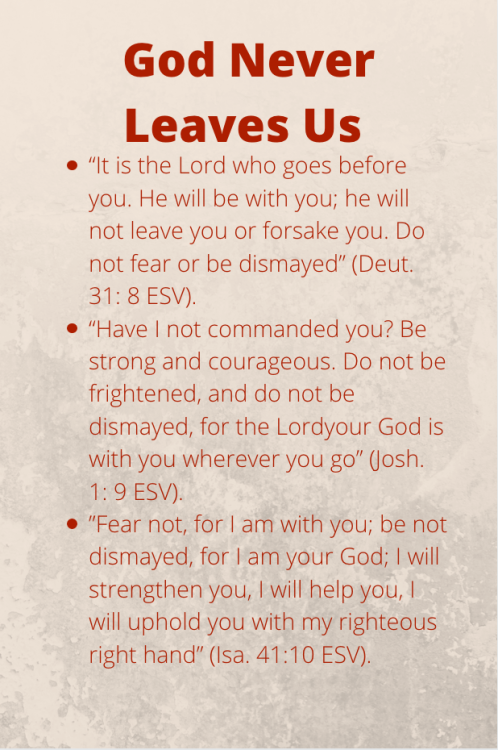
  • Why Do We Suffer Consequences When Setting Our Affections Below?

    In the last devotion, we started looking at the fact that we will suffer consequences when we set our affections on earthly things below. This daily devotional completes the discussion by looking at how our self-centered lip service steals the worship we should be giving God.

    Nuggets

    • A consequence of setting our affections below is being self-centered, instead of focusing on God.
    • People who give lip service devotion will suffer consequences.
    • There will be consequences for sins that steal our worship from the One true God.

    To read devotions in the Redo for Godliness series, click the appropriate button below.

    Devotions in the On Things Above series

    When I set up my draft of what devotions were going to be in this series, this one looked like it would be a continuation of the last. It was in the same section. It was on the same level as the consequences discussed in the last devotion.

    Then I started writing it.

    Yes, it was kind of touching on consequences. It was talking more about why we suffer the consequences of our actions.

    So, we are going to tweak the focus a little and see what God has to tell us.

    Let’s Put It into Context #1

    Here is a running list of what we’ve discussed previously.

    Let’s Put It into Context #2

    When we look up the definition of affection in the Merriam-Webster Dictionary, it says, “the state of being affected.” Affect means “to act on and cause a change in (someone or something).”

    To read a related devotion, click the appropriate button below.

    They Will Divert Your Thoughts From Heaven

    “For the wicked one boasts about his own cravings; the one who is greedy curses and despises the LORD. In all his scheming, the wicked person arrogantly thinks, ‘There’s no accountability, since there’s no God’” (Ps. 10: 3-4 CSB)

    A consequence of setting our affections below is being self-centered, instead of focusing on God.

    Satan tries convinces worldview people that they do not need to follow God’s laws and commandments. They can choose their own morals and actions. Their self-centeredness is elevated to arrogance when they feel they should not be held accountable for their actions and thoughts.

    Payson contended that the root of the unwillingness to seek God is pride. He wrote, “The pride of the wicked prevents them from seeking the knowledge of God, by rendering them unwilling to be taught.”

    If we look at the King James Version, it is a little different than the Christian Standard Bible version. “For the wicked boasteth of his heart’s desire, and blesseth the covetous, whom the Lord abhorreth. The wicked, through the pride of his countenance, will not seek after God: God is not in all his thoughts” (Ps. 10: 3-4 KJV).

    It starts out the same. The sinful person wants what he wants.

    Then it starts going down a different path. The Christian Standard Bible keeps the focus on the sinner. “… the one who is greedy curses and despises the LORD” (Ps. 10: 3 CSB).

    The King James Version, instead, says God despises the one who is covetous. “… and blesseth the covetous, whom the Lord abhorreth” (Ps. 10: 3 KJV). Covetousness is an inordinate greed for wealth and possessions.

    The end of the fourth verse veers, also. While the King James Version says the worldview people don’t think about God, the Christian Standard Bible version says they don’t believe there is a God.

    I don’t know what the original says. I can see truth in both of these.

    • Worldview people can despise God.
    • God despises all sin, including covetousness.
    • Some worldview people are so wrapped up in their own lives, they do not consider God.
    • There are some who deny there is a Sovereign God.

    Any way — don’t think of, despise, or deny — the outcome is still the same. They are not obeying the Sovereign God. They will have to reap the consequences.

    God does hold us accountable.

    This year, we are trying to be accountable and make the changes needed to be more godly. Scott noted these verses show what ungodliness is.

    Scott also expanded on what is meant by “… God is not in all his thoughts” (Ps. 10: 4 KJV). He felt that this was not mirroring the “Rejoice always, pray without ceasing, give thanks in all circumstances; for this is the will of God in Christ Jesus for you” (I Thess. 5: 16-18 ESV) instructions.

    Instead, Scott contends that we should always be mindful that we will be held accountable. We, as His creations, are obligated to follow His laws and commandments. If we don’t, we will pay the consequences.

    Resource

    Hamilton felt that we do not think of God because we do not understand his character. We don’t fully understand justice and holiness.

    I can get that. If the disciples — who interacted with Jesus every day for three years – had trouble understanding who he was, how can we by reading a book?

    Resource

    I think we do have trouble understanding God’s character because we evaluate it based on our understanding — not worldview understanding, but worldly understanding. We know what we think it should be.

    Instead, the standard is supposed to be “… Be holy, because I am holy” (I Pet. 1: 16 CSB). Holy means to be set apart, perfect, and morally pure while possessing all virtues.

    To read a related devotion, click the button below.

    Thomas brought up an interesting point. We just got done with a series where we said that one of God’s attributes is that He is all-present.

    To read a related devotion, click the button below.

    How can God be all places but not in the thoughts of wicked men????

    Thomas said that it was because sinners are excluding God from their thoughts. The Christian Observer said it this way: “The heart of the wicked is the only place in the creation of God whence, if we may so speak, the Creator is banished.”

    Resource

    That makes sense to me. This is part of mankind’s free will. Free will is the ability within us to make decisions, which determine actions that produce character.

    The Christian Observer argued that this banishment is part of our sinful nature. Still, they felt it was a conscious choice to drive God away from our thoughts.

    And So Disturb You in Duty

    “So my people come to you in crowds, sit in front of you, and hear your words, but they don’t obey them. Their mouths go on passionately, but their hearts pursue dishonest profit” (Ezek. 33: 31 CSB)

    People who give lip service devotion will suffer consequences.

    Okay. I am running into a term that I haven’t heard before. It is formalist. A formalist is a person who gives the appearance of being a disciple, but in reality isn’t.

    Hmmm. I have called that giving lip service. You talk the talk but don’t walk the walk.

    Lyth felt the formalists respected God’s messenger and may follow God’s laws and commandments. Punshon said that they give the right, devoted responses.

    Resource

    The problem is their salvation was not genuine. They have not been regenerated. They haven’t gotten God’s teachings down to the heart level.

    Let’s take a look at the King James Version. “And they come unto thee as the people cometh, and they sit before thee as my people, and they hear thy words, but they will not do them: for with their mouth they shew much love, but their heart goeth after their covetousness” (Ezek. 33: 31 KJV).

    What got me was the last part. They talk about love.

    We hear so much about how disciples are supposed to love people more. To worldview people, that means we are not supposed to judge: i.e., not point out their sins.

    What does this verse say? “… they hear thy words, but they will not do them …” (Ezek. 33: 31 KJV).

    Worldview people want us to hear what God calls sins — and ignore them. They want us to hear “… Go ye into all the world, and preach the gospel to every creature” (Mk. 16: 15 KJV) — and not do it.

    We have to do what God tells us to do, not what worldview people tell us. We can’t water down the gospel in order to get their stamp of approval.

    Lyth talked about what happens if we give God’s gospel lip service. He wrote, “The publication of the Gospel, with its riches of promise, implies the sad alternative, which must overtake all who do not heartily receive and obey its doctrines. No one can seriously imagine a religion of hollow compliments and specious disguises to be acceptable in the sight of God: to offer it in the place of a loving heart is to superadd mockery to rebellion.”

    Resource

    God is looking for a genuine confession. He is looking for obedience to His way.

    It Is Gross Idolatry

    “Therefore, put to death what belongs to your earthly nature: sexual immorality, impurity, lust, evil desire, and greed, which is idolatry” (Col. 3: 5 CSB)

    There will be consequences for sins that steal our worship from the One true God.

    We just looked at this verse when we did How Do We Switch Our Affections in Our Redo for Godliness? We said we need to switch our focus away from desiring worldly possession to focus on God.

    We said it was a sin because we are loving the world and its things more than we should. We are trying to find our satisfaction through things that are not of God.

    We are loving them more than we love God. That makes it an object of worship that is below God and is taking from God the worship that is His due.

    Enter consequences.

    We encounter some of the consequences now and don’t have to wait for judgment day for sentencing. Robinson wrote, “There are some sins which seem to be considered by the Almighty as sufficient for their own punishment, such as pride and anger; passion means suffering.”

    God will not share worship with anything we make into a god.

    WhyDoWeSufferConsequencesWhenSettingOurAffectionsBelowPin

    Making the Connections

    Scott reminded us that our happiness comes from God. He gives us our allotment.

    Resource

    How Do We Apply This?

    • Ditch the pride and self satisfaction.
    • Rejoice, pray, and give thanks continuously.
    • Continuously remember we will be held accountable for our actions.
    • Don’t focus on this world.
    • Worship every chance we get.
    • Let go of the guilt and self-reproach.
    • Submit to God, seek Him, and obey His laws and commandments.

    Searching for and Seeking God

    Hearing His Word (Rom. 10: 17).
    Reading His Word (Rev. 1: 3).
    Praying to Him (Heb. 4: 16).
    Studying His Word (Ac. 17: 11).
    Meditating on His Word (Ps. 1: 1-2).
    Memorizing His Word (Ps. 119: 11).

    Resource

    We need to take David’s advice — all of the below. Priestley called it habitual devotion.

    • “I keep my eyes always on the LORD …” (Ps. 16: 8 NIV).
    • “I know the LORD is always with me …” (Ps. 16: 8 NLT).
    • “I have set the LORD always before me …” (Ps. 16: 8 ESV, KJV).
    • “I always let the LORD guide me …” (Ps. 16: 8 CSB).
    • “I keep the LORD in mind always …” (Ps. 16: 8 HCSB).

    Resource

    Don’t we have to make devotion a habit? The consistently makes doing it easier.

    God is a jealous and a wrathful God. He will not accept us dividing our worship with something else.

    Father God. We choose to worship You. Help us to do so. Amen.

    What do you think?

    Leave me a comment below (about this or anything else) or head over to my Facebook group for some interactive discussion.

    If you don’t understand something and would like further clarification, please contact me.

    If you have not signed up for the email daily or weekly providing the link to the devotions and the newsletter, do so below.

    If God has used this devotion to speak with you, consider sharing it on social media.

  • Consequences of Setting Our Affections Below​

    When we set our affections on earthly things below, we will suffer consequences. This daily devotional looks at provoking the all-knowing God into giving us that for which we ask.

    Nuggets

    • A consequence of setting our affections below is moving farther and farther away from things above.
    • Another consequence of setting our affections below is the uncertainty that is the result of not knowing the all-knowing God.
    • When we are given what we ask for, it becomes a consequence of setting our affections below.

    To read devotions in the Redo for Godliness series, click the appropriate button below.

    Devotions in the On Things Above series

    Spiritual blindness is real. If we are not with Christ, we are without Christ.

    Sturgeon wrote, “Without Christ there is no light of true spiritual knowledge, no light of true spiritual enjoyment, no light in which the brightness of truth can be seen, or the warmth of fellowship proved. Without Christ there is no peace, no rest, no safety, no hope.”

    Resource

    We can have knowledge of Christ but not know Christ. We can know how we are supposed to be living but not live that way.

    This can be due to the fact that we do not choose to know Jesus. We have to choose to believe in Him.

    To read a related devotion, click the button below.

    There are specific consequences for not admitting our sinful condition, believing Jesus is our Savior and Redeemer, and confessing God as Sovereign Lord. Let’s take a look.

    Let’s Put It into Context #1

    Here is a running list of what we’ve discussed previously.

    Let’s Put It into Context #2

    When we look up the definition of affection in the Merriam-Webster Dictionary, it says, “the state of being affected.” Affect means “to act on and cause a change in (someone or something).”

    To read a related devotion, click the appropriate button below.

    Note: the purple headings are Beveridge’s words.

    Ye Provoke Him to Take Them Away

    “He established a testimony in Jacob and set up a law in Israel, which he commanded our ancestors to teach to their children so that a future generation — children yet to be born — might know. They were to rise and tell their children so that they might put their confidence in God and not forget God’s works, but keep his commands” (Ps. 78: 5-7 ESV

    A consequence of setting our affections below is moving farther and farther away from things above.

    God wanted Israel — and us — to follow His laws and commandments and teach their children to do the same. That didn’t happen.

    Oh, they liked to be known as God’s people. We just talked about how much they banked on being Abraham’s descendants.

    To read a related devotion, click the button below.

    Not teaching their children about God has consequences. Davies noted that “God has blessed no age for its own sake only.”

    Resource

    We can see this for ourselves. Back in the 1950s, the United States was considered a Christian nation.

    But children started kicking back at their parents’ religion. When they had children of their own, they didn’t take them to church.

    Enter the grandkids. They are not only kicking back on the Church, but they are also kicking back on the laws and commandments of God. Since the laws and commandments show us the character of God, they are kicking back on God Himself.

    This is leading to the appearance of the Antichrist. He must show up before God judges mankind.

    To read a related devotion, click on the appropriate button below.

    Worldview people see their ability to choose for or against God as a freedom. They don’t see it, as Jamieson noted, as the bondage that it is.

    Resource

    To read a related devotion, click on the appropriate button below.

    Or to Give You Them for Your Portion

    “With your hand, LORD, save me from men, from men of the world whose portion is in this life: You fill their bellies with what you have in store; their sons are satisfied, and they leave their surplus to their children” (Ps. 17: 14 CSB)

    Another consequence of setting our affections below is the uncertainty that is the result of not knowing the all-knowing God.

    It is easy to think that God’s provision fits in with the prosperity gospel. The flip side of that is, if we aren’t children of God, we don’t get that prosperity.

    But we all know that that isn’t the case. At times, it seems worldview people are rewarded with more prosperity than disciples.

    Wilcox contended this earthly reward was to show worldview people that God was willing and able to provide for us. He also reminded us that God uses worldview people to further His kingdom.

    Resource

    The problem is that worldview people are so far out of line with what God wants. Burns wrote, “The world is at total enmity with God. Its spirit, maxims, and pursuits are at utter variance with the laws and spirit of God.” Barry attributes this to the lack of connection with God.

    Resource

    Still, there is a lack of satisfaction in worldview people’s lives. Burns told us why.

    • Their enjoyments are, in reality, unsuitable for the creations God made.
    • This world is temporary. This fleeting satisfaction they are receiving is not going to be totally gratifying.
    • Being temporary and unsuitable, it is uncertain whether it will be enjoyed or not. Added to that, it is uncertain when it will end.
    • The ending will not be satisfying. Judgment and sentencing will lead to an eternity of torment.

    Resource

    That makes worldview people’s portion less than disciples’ portion. The saying, “You get what you pay for” keeps running through my mind. Worldview people don’t want to pay the price for salvation — obedience to God. While they may get prosperity in this life, they will lose in the long run.

    Worldview people don’t want to pay the price for salvation — obedience to God. While they may get prosperity in this life, they will lose in the long run.

    The More You Affect Them, the Less Comfort You Will Have in Them

    “He gave them what they asked for, but sent a wasting disease among them” (Ps. 106: 15 CSB)

    When we are given what we ask for, it becomes a consequence of setting our affections below.

    Ooo, baby. I read this verse, and my mind went directly to Adam and Eve and the original sin. Eve wanted to gain wisdom (Gen. 3: 6).

    Satan tempted her with the comment, “In fact, God knows that when you eat it your eyes will be opened and you will be like God, knowing good and evil” (Gen. 3: 5 CSB).

    Eve gave in and offered the opportunity to sin to Adam.

    Glossary

    Many times today, we want what we want — and we want it now.

    But Adam and Eve’s want — and ours — came at a cost. Sin is a disease according to Paul. “Therefore, just as sin came into the world through one man, and death through sin, and so death spread to all men because all sinned” (Rom. 5: 12 ESV). Death is the result of illness, which is the result of sin.

    To read a related devotion, click the button below.

    Oh, yeah. Sin is a wasting disease.

    The Homilist made an interesting statement. It said, “The more you pamper the body, the more you pauperize the soul.” The King James Version calls is a leanness.

    Resource

    Isn’t that what is wanted these day? Less work and more leisure. We want control of our own lives.

    What we don’t ask for is trials — even though that is where we grow the most. Secker wrote, “The greatest part of the instruction, indeed, must arise from our sufferings; but the whole power of making advantage of it arises from our deliverance.”

    Resource

    We see the trial as the disease, not the cure that it is. That means we kick and scream when the trials come.

    Many times, when we pray, we say, “God, let this happen if it is in Your Will.” James contended that sometimes God let things that we ask for happen — even if they aren’t in His Will and aren’t for our good.

    Resource

    Ooo, baby. What happened to Romans 8: 28? “And we know that for those who love God all things work together for good, for those who are called according to his purpose” (Rom. 8: 28 ESV).

    God lets us have what we want to show us that it really isn’t what we wanted.

    The Homilist connected the dots by writing, “Everywhere we see great material prosperity associated with spiritual destitution — great physical feasting and spiritual starving, great material wealth and spiritual pauperism.”

    Resource

    Don’t get me wrong here. I believe disciples can be prosperous. They just don’t make wealth and possessions their god. They leave that position to God.

    On the flip side, God doesn’t allow someone to be prosperous in order for them to be affected with the sin disease. He does not dictate our spiritual condition to us.

    God allows us to choose.

    Making the Connections

    We choose not to follow God. We choose to suffer the consequences of our choice.

    This is an individual choice. Our parents don’t make it for us. It isn’t made because we attend a religious organization.

    Age, race, gender, social status — nothing limits to whom God’s salvation is offered. Nothing limits to whom the consequences are given.

    How Do We Apply This?

    As Davidson said, we need to be heart rich instead of purse rich.

    Resource

    • We need to allow God to control and fulfill our desires and ask for a corresponding measure of grace.
    • We need to listen for God’s promptings as to how to use the material possession He gives us.

    Resource

    ConsequencesOfSettingOurAffectionsBelowPin

    This is a start of the consequences for putting things below on a higher plane then things above that Beveridge discussed. We will finish them in the next devotion.

    Father God. Thank You for loving us enough to correct. We know that this is the way in which You grow us. Help us to grow more like Him daily. Amen.

    What do you think?

    Leave me a comment below (about this or anything else) or head over to my Facebook group for some interactive discussion.

    If you don’t understand something and would like further clarification, please contact me.

    If you have not signed up for the email daily or weekly providing the link to the devotions and the newsletter, do so below.

    If God has used this devotion to speak with you, consider sharing it on social media.