Author: admin

  • Agreement in the Body of Christ

    We commit to grow our habits when we live in agreement with other disciples. This devotional reading, written by Pastor Steve, looks at committing to be in agreement with like-minded believers in the church.

    Nuggets

    • We aren’t sinning when we disagree with each other, necessarily.
    • Paul knew that it was imperative for success in any ministry for us to have and be of like minds.
    • There are many different church denominations. 
    • To be fruitful for God, we must be operating from the same mindedness and agree with each other and COMMIT to doing so.
    • For us to be godly in all that we are doing for Him, we must commit to follow him in all that we do. 
    • The only way that we can possibly do all for the glory of God and mean it is to abide in Christ through the power of the Holy Spirit.

    In our walk with our Lord Jesus, it is necessary for us to commit to being or doing things, for us to be fruitful in our ministries together.

    That is not to say that we are not allowed to disagree. That is not possible, because we are all humans who have different thoughts about certain things. 

    How something should be done; the color of the new carpet for the sanctuary in our church and lots of other things. 

    Let’s Put It into Context

    Devotions in the Pastor Steve’s Sermons series

    Be Careful When You Disagree

    “for the anger of man does not produce the righteousness of God” (Jas. 1: 20 ESV)

    We aren’t sinning when we disagree with each other, necessarily.

    That is unless we allow the disagreement to build into discontent, causing anger to flare and causing church splits, friend splits and so on. Then we must be careful how we react and keep the disagreement to a Godly context. 

    The Book of James tells us: “for the anger of man does not produce the righteousness of God” (Jas. 1: 20 ESV). When we have our minds set on being angry for one reason or another, we cannot possibly accomplish what God has for us to do.

    This is why, I believe, that the Apostle Paul asked this of the Philippians in his Epistle to them when he said:

    ‘So if there is any encouragement in Christ, any comfort from love, any participation in the Spirit, any affection and sympathy, complete my joy by being of the same mind, having the same love, being in full accord and of one mind. Do nothing from selfish ambition or conceit, but in humility count others more significant than yourselves. Let each of you look not only to his own interests, but also to the interests of others. Have this mind among yourselves, which is yours in Christ Jesus’ (Phil. 2: 1-5 ESV).

    There Is a Reason Paul Said This

    Paul knew that it was imperative for success in any ministry for us to have and be of like minds.

    Like-mindedness means having similar or same opinions. In the sense of Christian spirituality, it means that we agree about interpretations of the Bible, ways of worship, and so on. 

    For us to be of like-mindedness, as a group of individuals, we must commit ourselves to it.

    Too Many Differences of Opinion Is not Good

    There are many different church denominations. 

    In many cases, one denomination started because they split off another due to a disagreement about Biblical interpretation or some other aspect of what they believe makes one church more correct than the one they split off from.

    On one hand, it makes sense to do that. When a church has a disagreement of some sort that cannot be settled, they should split and form another group of believers, for the sake of harmony and being fruitful to God’s calling. I could go into the matter of whether the split resulted from sinful accusations, etc., but for the purpose of this post, I am going to assume that the split was decided amicably and proceeded with doing so.

    That said, however, there are roughly 200 different denominations in the United States alone and roughly 45,000 different denominations in the entire world. Perhaps there are smarter people than me who know the answers to this, but I find it very hard to believe that there are 45,000 different opinions on aspects of Bible interpretation, worship, and so on.  Most likely, these differences are man-made opinions that are not at all in agreement with what God wants to have.  For me, that’s much easier to believe.

    What It Takes to be Fruitful

    To be fruitful for God, we must be operating from the same mindedness and agree with each other and COMMIT to doing so.

    There is usually at least one person within any given congregation that does not agree with anything the church of which that this person is a member. This person will often cause a great deal of discontent and try to get other members of the church to also follow with what they disagree.

    It makes more sense that if a person cannot agree to be a part of what a church is doing, then they should go find a church that they can be in like-mindedness with and commit to being a part of that church. Instead, however, they choose to stay where they are and be a willing instrument of the devil by causing discontent with that body of believers and allow him to attempt to thwart what God is doing in that church. 

    Why We Must Commit to Him

    For us to be godly in all that we are doing for Him, we must commit to follow him in all that we do. 

    One of the first things that we need to keep in mind is that when we are doing ministry, we are not doing it for ourselves.  We are doing it for God’s glory.

    First Corinthians 10:31 tells us, “So, whether you eat or drink, or whatever you do, do all to the glory of God” (ESV).

    We Must Abide in Christ

    The only way that we can possibly do all for the glory of God and mean it is to abide in Christ through the power of the Holy Spirit.

    Jesus said, “Abide in me, and I in you. As the branch cannot bear fruit by itself, unless it abides in the vine, neither can you, unless you abide in me” (Jn. 15: 4 ESV).

    The Biblical definition of abide means to remain or to stay.  For us to get what we need from Jesus to serve Him, we must STAY in Him. 

    How do we do that?  We commit our lives and everything we do it Him.  That is a part of our purpose in this life.

    • “Commit your way to the Lord; trust in him, and he will act” (Ps. 37: 5  ESV).
    • “Commit your work to the Lord, and your plans will be established” (Prov. 16: 3 ESV).

    Jesus had so much to say about abiding in Him in John 15.  I highly recommend you take the time to study this chapter of John … meditate on it, chew on it and pray about it. You will be amazed at what Jesus has to say about abiding. 

    I do want to point out one more verse from John 15  to make a point. 

    Jesus said, “I am the vine; you are the branches. Whoever abides in me and I in him, he it is that bears much fruit, for apart from me you can do nothing” (Jn. 15: 5 ESV).

    This is one of my favorite passages of Scripture, and I quote this more often than I realize, I’m sure. But there is a lot of truth here. 

    We literally cannot do anything apart from Jesus.  You may be wondering what I mean.  Well, here’s why I believe it is a very literal verse.

    In the book of Acts, when Paul was speaking to the Aeropagus, he quoted a Greek poem that says, “… ‘In him we live and move and have our being’ …” (Ac. 17: 28  ESV). The Biblical truth to that is so amazing. 

    If God took His hand off us and this world for even one second, we would literally fall apart.

    The book of Philippians says, “for it is God who works in you, both to will and to work for his good pleasure” (Phil. 2: 13 ESV). Everything we can do is because God allows us to do so, according to His will, because it gives God pleasure to do so.

    What Does This Have to Do with Agreement?

    You may be thinking at this point, “great, but what does any of this have to do with agreement?” One of the definitions of agree is “to consent to do something that has been suggested by another person.” 

    It’s true that God doesn’t call His commandments “suggestions,” though many people tend to follow them as if they were. And He does give us a freewill to do whatever we want.

    However, for a person to finally decide to surrender their life to God and do things His way is indeed an agreement that has been made. 

    We say, “I surrender my life to you Lord and will let you have control of my life.”  This surrender that we do is a willful agreement with God to accept His Will for us, and we follow Him accordingly.

    When we accept Jesus as our Lord and Savior, it is all too often that we end up thinking that is it. That is all we must do, and we are good.

    The thing we tend to overlook or ignore is what Jesus said in Matthew 16: 24. He said, “If any of you wants to be my follower, you must give up your own way, take up your cross, and follow me” (Mt. 16: 24 NLT).

    You see, when we surrender our lives to God, we give up the right to do everything we want to do with our lives. We give our lives up to our own ways and follow God’s ways. 

    That’s what it means to be faithful and devoted to our God. When we say, “Yes, Lord!” we cannot only mean, yes when it is in our own way. 

    To do so is to be out of God’s Will for our lives; and in being there, we will never be truly happy without being submitted to His will.

    In a very real sense, when we give our lives to the Lord, we agree with Him, that His way is better than ours. We agree with all that He wants to do with us, even if we don’t have any idea what’s next.

    We are surrendering ourselves by being obedient to His call. Let us be ever mindful about this in all we that.

    Lord, help us all be obedient to Your Will for our lives and agree with You in all that You want for us. Amen.

    agreement-in-the-body-of-christFB

    What do you think?

    Leave me a comment below (about this or anything else) or head over to my Facebook group for some interactive discussion.

    If you don’t understand something and would like further clarification, please contact me.

    If you have not signed up for the email providing the link to the devotions and the newsletter, do so below.

    If God has used this devotion to speak with you, consider sharing it on social media.

  • February Newsletter

    There wasn’t a good breaking point to have this newsletter come out in February. So, I finished the Communication series first.

    Let’s see what we learned.

    committing-to-grow-our-habits-study

    Main Nuggets

    • Our sole purpose must be to repent and turn away from our sins. We must be seeking the transformation that is in the disciple’s job description (The Forgiving of Debts).
    • It isn’t up to us to work everything out until we understand, and then submit to God. We have to give up our understanding and take on faith that God is supreme (The Doxology of the Lord’s Prayer).
    • When we ABCD, we become a member of the family of God (Knowing God as a Loving Father).
    • We cannot gain salvation without prayer. We endure the Sanctification Road through prayer (The Church as Inhabitants of Heaven).
    We cannot gain salvation without prayer. We endure the Sanctification Road through prayer.

    Forming Our Habits to Grow Our Relationship with God

    • God is a spirit, but He is also a Person. Being a spirit means He is not human, but that doesn’t mean He isn’t a Person (Knowing God as a Loving Father).
    • Jehovah means I AM (What Is in the Name of God?).
    • God wants to be present and accessible in our lives. We just need to call on Him (What Is in the Name of God?).
    • YHWH, according to Genesis 15: 7, is God’s personal covenant name (What Is in the Name of God?).
    • God loves us so much that He gave us His proper name. But like most things, God’s ways are higher than our ways (Isa. 55: 8-9), so we don’t understand it (What Is in the Name of God?).
    • The use of Attiyq Youm occurs three times in the book of Daniel (7:9, 23, and 22) and in Isaiah (What Is in the Name of God?).
    • People see Christianity as a big list of don’ts. It isn’t. The do’s make life so much more meaningful (What Is in the Name of God?).
    • Called Elohim, God is not only all-powerful Creator of the universe, but He created everything in it (What Is in the Name of God?).
    • Sin and sickness wasn’t created in God’s Creation. Man let that in because he didn’t want God to be relevant. He didn’t want to be obedient and submit to God (What Is in the Name of God?).
    • El Elyon means the Most High God (What Is in the Name of God?).
    • God is self-sufficient because He is in control. He doesn’t need anyone to bring things about. He can. He is King of kings and Lord of lords (What Is in the Name of God?).
    • God is self-sufficient because He can do it all — far more than we mere humans can do (What Is in the Name of God?).
    • El Shaddai means the All Sufficient One or God Almighty (What Is in the Name of God?).
    • None of our problems are too big for God (What Is in the Name of God?).
    • Emmanuel means God with us (What Is in the Name of God?).
    • Jehovah-Tsidkenu means the God of My Righteousness (What Is in the Name of God?).
    • El Roi means the God Who Sees Me (What Is in the Name of God?).
    • God knows everything about us. He knows our thoughts and our troubles (What Is in the Name of God?).
    • It doesn’t matter what we are going through. God sees us and will help us through it when we put our trust in Him (What Is in the Name of God?).
    • Jehovah-Rapha means the Lord Who Heals (What Is in the Name of God?).
    • Sin is a disease. God, in His infinite Mercy, sent His Son Jesus to die on the cross to heal us from our sins (What Is in the Name of God?).
    • We know that God is the One Who heals our physical illnesses (What Is in the Name of God?).
    • Jehovah Rohi means the Lord is My Shepherd (What Is in the Name of God?).
    • God is so wonderful. He is patient. He directs us. He leads us. He cares for us (What Is in the Name of God?).
    • Adonai, generally a substitute for YHWH, translates My Great Lord or Lord Master (What Is in the Name of God?).
    • We would probably see this as YHWH being the formal name and Adonai the informal name (What Is in the Name of God?).
    • Abba is even more personal, and we would say this is Daddy (What Is in the Name of God?).
    • God is all those things to all of us at all times (What Is in the Name of God?).
    • There can be only one King – God (God’s Kingdom on Earth).
    • We are communicating with the One Who is above all others, created all things, and requires all from us. God is our Father because He created us in His image (Why We Should Pray to God; Knowing God as a Loving Father).
    • To access God’s provision, we have to come to Him in prayer. We can only come into God’s presence to ask of Him when we are submitting ourselves to His Will.  Philippians 4: 19 does not make God a gum ball machine, spitting out the gum ball just because we put in the quarter prayer. We have to submit our lives to God in order to access His choicest blessings. He wants us to acknowledge that we are dependent on Him to supply our needs (Knowing God as Our Father; Asking God for What We Want).
    • Non-believers cannot ask of Him if they do not believe in Jesus and have accepted Him as their Savior (Asking God for What We Want).
    • Nothing is greater or more powerful than God. Therefore, nothing can destroy Him (Why We Should Pray to God).
    • Everything about God is holy. We need only look to His laws to see His holiness. God’s laws reflect His character (Why We Should Pray to God; Jesus as an Inhabitant of Heaven).
    • God is the same yesterday, today, and tomorrow. That isn’t going to change. What He promises, He will deliver — regardless of us and our actions (What Is in the Name of God?; Why We Should Pray to God).
    • Who wouldn’t want someone with those characteristics ruling them? God is perfect for the job. God doesn’t change. We can trust Him to be Ruler and Judge regardless of whether tomorrow brings peaceful times or chaotic times (Knowing God as Our Sovereign God).
    • Because God created the world, owns it, and is supreme, He rules and judges it. God judges us and will judge us in the future. But He judges fairly. In fact, He judges with grace and mercy. He does not give us the judgment we deserve (Knowing God as Our Sovereign God).
    • One of the best things is God will rule forever as He is an eternal being. He has no beginning and no end. He has always been and will always be (Knowing God as Our Sovereign God).
    • It is God’s right alone to be Judge and Ruler. His wrath at our disobedience will finally be relieved. The only reason this can happen is because Jesus completed the Plan of Salvation. He paid the debt for our sins (The Doxology of the Lord’s Prayer).
    • God created laws and commandments so that we can live in peace. He wants us to be more like Him (Knowing God as Our Sovereign God).
    • God doesn’t want us to work on our own. He wants us to work in faith in Jesus’ name. When we draw near to God, He equips us for the tasks to which He calls us. When we abide in Christ through our prayer life, we grow in Him (Why We Should Pray to God).
    • Because God is Sovereign God, He will be victorious in this battle with Satan. One day, Satan will be defeated and cast into a lake of fire (Rev. 20: 14) (Why We Should Pray to God).
    • Doesn’t it seem like Satan is in control here on earth? Doesn’t it seem like God isn’t — and sometimes doesn’t care? That thought is totally wrong! God has a tight grip on the scepter. He is totally on His throne (Knowing God as Our Sovereign God).
    • No part of this world is exempt from God’s power. Neither earth’s most intelligent being, nor its most powerful leader, is absolved from God’s power. All the Church, along with Satan and his demons, will all bow before Jesus (The Doxology of the Lord’s Prayer).
    • Because God created this world, He owns it — the land and all of the creatures in it – and has not transferred ownership to anyone. He holds it for our good (Knowing God as Our Sovereign God).
    • God didn’t create the world and then ignore it. He has His hand in every bit of it. We can feel God’s presence in the world. When we recognize how His work displays Him, we recognize its importance (Knowing God as Our Sovereign God).
    • God didn’t make us and leave us on our own. He didn’t even leave us when we disobeyed Him. God provides for us — and not just bare minimum. He doesn’t limit it to easy provisions (Knowing God as a Loving Father).
    • God doesn’t need us for any reason. He unselfishly wants to give us what we cannot give ourselves. We can only rely on His gifts (Asking God for What We Want).
    • Many like to think of God only as a God of love. He isn’t. All His laws and commandments have a consequence if broken (Knowing God as Our Sovereign God).
    • God is a Father because He is the Father of Jesus Christ. That puts God in the first position on the Trinity. The Father must give life to the Son. He provides for us (Knowing God as a Loving Father).
    • God is also our Father because He redeemed us through Christ. The whole point of God giving His Son life was to die on the cross to give us access to heaven. The Sovereign God is approachable because He is our Father (Knowing God as a Loving Father).
    • God used being our Father as an example so we could completely understand what He is telling us. He loves us like a father should love his children. In fact, He is a better example of how a father should love his children than any of the earthly fathers are (Knowing God as a Loving Father).
    • God supplies for our physical and spiritual needs (Asking God for What We Want).
    • God provides the food, clothing, job, support, etc. Every need. As in all. As in every single need we could ever have. But all means nothing if we haven’t asked Jesus to be our Savior and committed our lives to Sovereign God (Knowing God as a Loving Father).
    • God provides for us when we seek Him. He is looking for our faith to rely on Him (Asking God for What We Want).
    • We need to enjoy what God gives us. Enjoyment means we are grateful and use what He has given us to glorify Him (Asking God for What We Want).
    • The world is governed by God’s laws of nature. We see the abundant intricacies throughout this world and marvel at how minuscule things work perfectly together (Why We Should Pray to God).
    • Don’t think forgiveness happens because we repent — even though non-repentance doesn’t bring forgiveness. Don’t think we earn the forgiveness in any way. Honor God because He extends forgiveness to us through His grace (The Forgiving of Debts).
    • A lot of times we get the praise wrong. We give thanks to God for what He has done for us. We may even paise Him for the spiritual graces He has given us. But we don’t always praise God for Who He is. We miss the most important part. We have to acknowledge that it is only God’s alone — Thine. We have to be thankful for God’s kingdom. We have to be thankful for the spiritual aspects (The Doxology of the Lord’s Prayer).
    • We can’t miss the opportunity to praise God for His perfect kingdom, in which we will spend eternity (The Doxology of the Lord’s Prayer).
    • We must praise God for His unmatched power. God’s power is not going to go away on January 31, 2035. God’s power is eternal (The Doxology of the Lord’s Prayer).
    • We must praise God with honor and reverence (The Doxology of the Lord’s Prayer).
    • Jesus said that all the glory belongs to God (The Doxology of the Lord’s Prayer).

    Glossary

    We substitute service for submitted living -- but we shouldn't.

    Forming Our Habits to Grow Our Maturity

    • We are being sanctified. The whole goal of sanctification is that we possess God’s character. God forgives. We must, too, to be like Him (The Forgiving of Debts).
    • As we strive to be consistent in our spiritual growth, it is necessary for us to be committed to spiritual disciplines that help us to grow. As we strive to be consistent in our spiritual disciplines, we need to be careful that we do not develop a mindset that causes us to regard our performance of these disciplines as something we check off on our list of things to do (Biblical Support).
    • Sanctification is a hard process, one that where we will need help. We have to get it to the heart level. Since it is a process, we need to pray for the process. Our prayers should be to stay in God’s Will (God’s Kingdom on Earth).
    • Therefore, God’s kingdom comes to us throughout the process. We can only tap that help through prayer (God’s Kingdom on Earth).
    • We have to die to self. If we aren’t, God, Jesus, and the Holy Spirit have no room in us in which to reside (Why We Should Pray to God).
    • The sanctification process isn’t complete yet because we are not totally obedient to God (God’s Kingdom on Earth).
    • We have ever how much time is left to finish maturing. A lot of times, it is called getting right with God. We need to not procrastinate and do it (God’s Kingdom on Earth).
    • Our goal is sanctification at the end of the process, but we have to go through every day to get there. Each day should be a step leading to that end (Asking God for What We Want).
    • Our doing ensures the growth of our faith. While that doesn’t give us salvation, it ensures that our salvation stays healthy. What doesn’t grow, dies (The Church as Inhabitants of Heaven).
    • One way we navigate the Sanctification Road process is helping Sovereign God expand His kingdom. We have to do it in His way, in His time, under His direction – through Him (God’s Kingdom on Earth).
    • If we haven’t ABCDed yet, we still have the opportunity to do so. Once Jesus comes, we can’t change our decision. It has already been finalized (God’s Kingdom on Earth).
    • Worship has to be objective. We have to keep our minds open to God doing the impossible (Lk. 1: 37) (The Doxology of the Lord’s Prayer).

    Glossary

    The whole goal of sanctification is that we possess God's character.

    Forming Our Habits to Grow Our Relationship with Others

    • A part of our spiritual growth takes place in understanding how we should relate to our brothers and sisters in Christ (Biblical Support).
    • God has made it our duty to love others. Because God has loved and forgiven us, we are to love and forgive others. We are to forgive everyone, not just those who have sinned just a little against us. One thing that might help us forgive them is when we remember they were tempted, too. (The Forgiving of Debts; The Evil of Temptation).
    • Forgiveness has a reason. We are blessed when we forgive others (The Forgiving of Debts).
    • Each of us is in a different place when it comes to spiritual growth. Some are farther along their journey, while others are not as spiritually mature and not quite as far (Biblical Support).
    • All throughout the Bible, it speaks of helping each other along the way, being an encouragement to one another; bearing one another’s burdens; and similar ideas that speak to supporting each other (Biblical Support).
    • Working together towards a common goal is a very Biblical idea. No church is a one-person effort. God has given each of us at least one spiritual gift for us to use in the building of His kingdom, reaching the lost (Biblical Support).
    • We are not meant to go it alone when it comes to walking out our faith.  We are intended to be a part of something that encourages and supports us as we go through the trials and tribulations of being a Christian in this world (Biblical Support).
    • So many in the church these days want to be in the spotlight— the one whom everyone in the congregation turns to for everything. But we are not meant to work on our own; neither are we meant to seek our own glory. We are meant to do everything we do for the glory of God (1 Cor. 10: 31) (Biblical Support).
    • A lot of support we get comes from times when we need to be comforted. When we are going through various afflictions, it is very easy to be beaten down and gain a degree of hopelessness (Biblical Support).
    • By bearing one another’s burdens, we are fulfilling the “law of Christ.” Everything that God’s law is about is about love!  Loving Him and loving our neighbor as much as we love ourselves (Biblical Support). 
    • Loving people is a support that most of us have never thought about. And the amazing thing is, we are fulfilling the law of God by doing it (Biblical Support). 
    • So many are wrapped up in their “pharisaic mindset,” being more concerned about keeping the rules and checking off their lists of what they have done to “serve the Lord,” but they have no love for anyone except themselves. This is not fulfilling the Law of the Lord, and they are certainly not supporting anyone either (Biblical Support).
    • Encouraging one another and building each other up is one of the greatest things we can do for each other in a church. Many churches have not recognized this and have grown into a church of hyper-critical people and are slowly dying (Biblical Support).
    • When we stop encouraging each other, building each other up, it reflects on the kind of church we have become. If we do not encourage, we are not supporting and have turned into a backbiting, gossiping, hateful, and yes, I will say it, an ungodly church! (Biblical Support).
    • Jesus said that we have to forgive as God forgives (The Forgiving of Debts).
    • God point blank says forgive. Not partially. Certainly not in words only. Immediately, completely, absolutely, and heartily (The Forgiving of Debts).
    We are to be worshiping and working to expand God’s kingdom now. We aren’t supposed to be waiting on Jesus.

    Heaven

    • God’s kingdom is a spiritual kingdom, the Church. We must praise God for it. He is more interested in our eternal condition. He is interested in our souls (God’s Kingdom on Earth; The Doxology of the Lord’s Prayer).
    • At a specific point in the future, God will stop individually calling us home to Heaven and call the Church as a whole (The Church as Inhabitants of Heaven).
    • One day, we will ascend to Heaven to be with Jesus. Only those that accept salvation and endure the Sanctification Road will become the Church and eventually reside in Heaven (Jesus as an Inhabitant of Heaven; The Church as Inhabitants of Heaven).
    • God wants us to focus on the eternal. That is where we get our joy (Asking God for What We Want).
    • In a way, Heaven is a very mysterious place. Heaven is important because that is God’s dwelling place, His home. It is a holy place because He is holy (Which Art in Heaven).
    • The most comprehensive description we get of heaven is in Revelation 21: 18-21. We don’t know how accurate of a picture that is. John was trying to describe a beautiful place. He described gold, precious stones and pearls such as in jewelry (Which Art in Heaven).
    • Heaven is an actual place right now. While we will someday call it our home, currently, the angels inhabit it (Which Art in Heaven).
    • Even though the Bible has many references to angels, there are opposing opinions of what and who angels are and do and how they came to be (Which Art in Heaven).
    • The first and foremost purpose of angels is to worship and praise God. Angels provide a good example of how we should continuously praise God (Which Art in Heaven).
    • As their name means, angels are the messengers of God. God answers prayers. Sometimes, He uses angels as the messengers to deliver the answers (Which Art in Heaven). 
    • We will see God’s truth as it becomes clearer to us. It cannot be clear to us until we have bodies that have been perfected. But that emphasizes the fact that we will live with God forever. Eternity is a long time – and we will spend it with Him (The Church as Inhabitants of Heaven).
    • There will be no church/temple in Heaven. Church as we know it is going to change in Heaven. We won’t need church as we did on earth (The Church as Inhabitants of Heaven).
    • As Jesus had descended to earth, it is only natural that He ascend again to Heaven. Ascension back to Heaven was a really important part of the Plan of Salvation. It was very important that Jesus go back to Heaven alive. He had conquered sin, which had ushered in death. We are free and able to obtain His character. It was important that the disciples had to see Jesus – then not see Him. They had to see there was more after life on this earth (Jesus as an Inhabitant of Heaven).
    • After Jesus returned to Heaven, He was given a place of honor – at the right hand of God (Jesus as an Inhabitant of Heaven).
    • Once eternity begins, there will be nothing that can separate us from Jesus. Oh, wait! Don’t we have that now? (Jesus as an Inhabitant of Heaven).
    • We know we are to walk in the Spirit here on earth. We won’t be in the Spirit in Heaven, but we will be doing the same walk – obeying God. That isn’t going to change (Jesus as an Inhabitant of Heaven).
    • Heaven is the meeting place where we will come into contact with that goodness (Jesus as an Inhabitant of Heaven).
    • Jesus is the One Who is praying, but it is also His kingdom that is coming (God’s Kingdom on Earth).
    • The best news is that, since God is eternal, so is His kingdom (God’s Kingdom on Earth).
    • To seek the kingdom of God, we submit our whole hearts and lives to God. We can only find it through submitting to Him (God’s Kingdom on Earth).
    • We think we can gain entrance to God’s kingdom by doing good deeds – essentially being a good person. We can’t. We can only be ushered into God’s kingdom when we commit to becoming like Him. Our character must be like His (God’s Kingdom on Earth).
    • We cannot go to the kingdom. It has to come to us. God calls us to salvation (God’s Kingdom on Earth).
    • Focusing on our eternal life brings us contentment. We aren’t desiring what we shouldn’t have. We aren’t even asking for what we wish we had. We are asking for what we need (Asking God for What We Want).
    • While God has plans for our future, He wants us to rely on Him for the day (Asking God for What We Want).
    • God wants us to know He has a plan for us (Jer. 29: 11); therefore, we should have similar plans. He doesn’t want things left to chance. However, God also knows that our plans change. “We can make our plans, but the LORD determines our steps” (Prov. 16: 9 NLT) (Asking God for What We Want).
    • Our praise to and worship of God will never end (The Doxology of the Lord’s Prayer).

    Glossary

    We have to raise ourselves to God’s level rather than lowering him to ours. Only that way can we approach Heaven.

    Prayer

    • Praying shows how much we want for God’s kingdom to come. When we consistency communicate with God, we gain perseverance (God’s Kingdom on Earth; The Evil of Temptation).
    • Until we can communicate face to face, we communicate with the Creator through prayer. But we don’t take advantage of that, as we should (Why We Should Pray to God).
    • Prayer isn’t what we say. It is what we feel. It is the motivations behind it. It is the purpose for it. It is the One to Whom we are talking. The words aren’t important. The length isn’t important. The worship is important (Which Art in Heaven).
    • For now, prayer is one way in which we praise God. We should use it to consistently communicate with our Creator (Which Art in Heaven).
    • We sometimes blame God for our troubles. To punish God, we stop praying to Him. Withholding our prayers solves nothing. Instead of drawing us to God, it takes us further away from Him (The Evil of Temptation).
    • Asking lawfully means that we don’t put more emphasis on physical things than spiritual things. It also means we have to follow God’s plan for our lives, not our own (Asking God for What We Want).
    • We can ask for physical things to support our spiritual growth and ministry. They may be needed for us to serve God (Asking God for What We Want).
    • If we don’t ask God to provide for our physical needs, Satan can use those to tempt us (Asking God for What We Want).
    • One of the benefits of prayer is we stop looking only at what we want. We become open to seeking God’s Will and find we enjoy more the lives He wants us to live (Asking God for What We Want).
    • We may be asking for what we want, but we know that God supplies all things. God gives us what we need. He tells us this in His Word. He delights in providing for us (Asking God for What We Want).
    • We seal our prayers with an Amen. By saying amen to our prayers, we agree with what we have said and accept God’s answers to those prayers. We are firm our belief in God’s truth and faithfulness (The Doxology of the Lord’s Prayer).
    • Did you notice what the Lord’s Prayer doesn’t have a lot of? Father, heal Andrew. Help Peter in his marriage. Change James’ and John’s character. (Please take the thunder out of them!) What does most of our prayers contain? Supplications for things in this world. We need to refocus on God (The Doxology of the Lord’s Prayer).
    • We would rather do for God than pray to God. We substitute service for submitted living (Why We Should Pray to God).

    Glossary

    We take the focus off gumball prayers and focus on godly provision – even if the provision is different than we expect or want.

    Sin and Temptation

    • Debts is an interesting term for sin. We cannot pay this sin debt. With our sinful nature so ingrained within us, we cannot pay the penalty for sin ourselves. Only Christ can pay the debt for our sins (The Forgiving of Debts; The Forgiving of Debts).
    • Some worldview people say that God shouldn’t call some things sin. We don’t think there should be a liability for sins because want we don’t the consequences. Doing things that are not in His character is sin (The Forgiving of Debts).
    • The story doesn’t stop at the commission of sins. That is where the forgiveness begins. We ask for God’s grace to forgive us of our sins (The Forgiving of Debts).
    • We can only be forgiven when we agree to submit our lives to God. He will not forgive us if we continue to willfully sin (The Forgiving of Debts).
    • Our whole purpose of asking God to forgive our sins should be to submit our lives to Him. We show that be becoming like Him (The Forgiving of Debts).
    • It doesn’t work if our repentance isn’t sincere. Our worship isn’t sincere. Our praise isn’t sincere (The Forgiving of Debts).
    • Temptations are a part of life in order for us to grow in faith (The Evil of Temptation).
    • We are preparing for our life during eternity. We have to be transformed to have God’s character in order to gain entrance to Heaven. Temptations aid us in the transformation (The Evil of Temptation).
    • The temptations we face relate to God because Satan is trying to get us to do the opposite of what God wants us to do (The Evil of Temptation).
    • We can’t resist temptation alone, rather God delivers us. There is no way we are going to withstand Satan by ourselves (The Evil of Temptation).
    • Sometimes, God does what we want. He takes away our proclivity to sin. We no longer have the appetite for that temptation (The Evil of Temptation).
    • We have to be on guard. We have to watch because Satan is going to try to slide something in on us. Even if the temptation comes from the world, it has to be addressing something we find tempting. That has to come from the inside. The temptation has to stem from a weakness within our faith. Faith is an inside thing. Isn’t that the whole purpose of temptations that it shows us where we are weak and need work? It cuts out that associated sin (The Evil of Temptation).
    • We can’t fight Satan on our own strength. We have to rely on God’s strength and power (The Evil of Temptation).
    • All sin comes from Satan. All evil is opposed to God’s good. Whether we are focusing on the who or the what of sin, it is taking our focus off God (The Evil of Temptation).
    • God may tell Satan that he can’t tempt us in a certain way or at a certain time. God has control (The Evil of Temptation).
    God may let us drive through the neighborhood of temptation, but He doesn’t program our GPS for it.

    Making the Connections

    • I think we need to focus more on being connected and similar. We should see ourselves as God sees us — perfected through the blood of Jesus. Bottom line is that we have to recognize God as our Father and submit to His Will (Knowing God as a Loving Father).
    • We aren’t entitled to things just because we call God our Father. We especially aren’t entitled to things just because we are breathing. All the blessings we receive come from God. He blesses our obedience (Knowing God as a Loving Father).
    • We just have to know when God is talking to us and nudging us to do His Will. That is hard sometimes. God’s voice is drowned out by the chaos in our lives (Which Art in Heaven).
    • We have to stand firm and choose God’s way. That will bring peace to this life and eternal life. One day we will see God face to face (Which Art in Heaven).
    • But, you know, it is not going to matter what heaven looks like when we get there because “Behold, the heavens and the heaven of heavens is the Lord’s thy God, … (Deut. 10:14 KJV). God is going to be there, and we are going to be able to see Him. It will be so wonderful to live with our Father forever (Which Art in Heaven).
    • Our prayers reach God regardless of where we are. We don’t have to be in a church or synagogue. We could even be in a bar, and God would hear a sincere prayer from one of His children (Jesus as an Inhabitant of Heaven).
    • The prayers of the greatest disciple doesn’t have precedence over mine. Mine doesn’t have precedence over someone else (Jesus as an Inhabitant of Heaven).

    Glossary

    Our amen at the end of our communication with God is another sign of our faithfulness.

    To read devotions in the Support and Communication series in the Committing to Grow Our Habits study, click the button below.

    The world is full of temptations, and Satan works overtime to get them on our radar.
  • The Doxology of the Lord’s Prayer

    The ending of the Lord’s Prayer is cut off in almost all translations of Scriptures. This devotional reading looks at Jesus’ final act of praise in His model prayer.

    Nuggets

    • We must praise God for His spiritual kingdom.
    • We must praise God for His unmatched power.
    • We must praise God with honor and reverence.
    • Our praise to and worship of God will never end.
    • We seal our prayers with an Amen.

    The King James Version is the only translation that ends the Lord’s Prayer with an Amen.

    I get there are different scrolls that say different things. That is why the kingdom, power, and glory part is left out of all other translations.

    But Jesus ended the prayer and didn’t say Amen? He didn’t say goodbye to His Abba???

    I have problems with that.

    Not only was the last phrase lopped off, but also the last part of the temptation phrase was just ignored.

    Let’s take a look.

    Let’s Put It into Context

    To read devotions in the Habitual Holiness of Heart and Life theme, click the button below.

    Here is a running list of nuggets for the theme.

    Devotions in the Commit to Grow Our Habits study

    Here is a running list of nuggets for the study.

    “And lead us not into temptation, but deliver us from evil: For thine is the kingdom, and the power, and the glory, for ever. Amen” (Mt. 6: 13 KJV)

    The Kingdom

    “… For thine is the kingdom…” (Mt. 6: 13 KJV)

    We must praise God for His spiritual kingdom.

    Part of the reason I am confused about the kingdom, power, and glory being left out is that it is flat out thanksgiving and praise. Jesus would have been worshiping His Father.

    The entire prayer is building to here, where Jesus can cut loose and fully praise and worship God. He wouldn’t leave this out.

    No, a lot of times we get the praise wrong. We give thanks to God for what He has done for us. We may even paise Him for the spiritual graces He has given us.

    But we don’t always praise God for Who He is. We miss the most important part.

    We have to acknowledge that it is only God’s alone — Thine.

    We are glad He provides us a job (most of the time), but we also have to be thankful he sent His Son to die for us. We can’t just be thankful for the physical aspects of our lives.

    I love how Saphir put it. He wrote, “Praise is the language of the soul in communion with God.”

    Resource

    That is what we have been focusing on during this study of the Lord’s Prayer — communication with God. We have to speak with Sovereign God.

    We have to be thankful for God’s kingdom. We have to be thankful for the spiritual aspects.

    We already spent a devotion on God’s kingdom. It is universal. All mankind — dead and alive — will be subject to Sovereign God. This will last for eternity.

    One day, God will send Jesus to call the saints home. God has that authority.

    Barrow discussed this. He wrote, “Thou hast a perpetual and [unmovable] authority whereby justly to dispose of all things …”

    Resource

    It is God’s right alone to be Judge and Ruler. His wrath at our disobedience will finally be relieved.

    The only reason this can happen is because Jesus completed the Plan of Salvation. He paid the debt for our sins.

    God’s new kingdom will be perfect. That is because we will be pure as God is because of the absence of sin.

    Sin is not believing that Jesus is our Savior to save us from our actions by humans that disobey God and break one of His reasonable, holy, and righteous laws and commandments, goes against a purpose He has for us, or follows Satan’s promptings.
    Perfection means we reach a state of maturity because the combination of the spiritual graces form, when all are present, spiritual wholeness or completeness — holy, sanctified, and righteous.

    • Spiritual graces are worldly morals that have been submitted to God to further His kingdom instead of enhancing this world.
    • Holy means to be set apart — because of our devotion to God — to become perfect, and morally pure while possessing all virtues and to serve and worship God.
      • Pure means not being sinful or having the stain of sin. 
      • Virtues are standards of moral excellence.
    • Sanctified means to be set free from sin.
    • Righteous means we are free from sin because we are following God’s moral laws.

    Glossary

    We can’t miss the opportunity to praise God for His perfect kingdom, in which we will spend eternity.

    The Power

    “… and the power…” (Mt. 6: 13 KJV)

    We must praise God for His unmatched power.

    God doesn’t have just any power. His power is, as Barrow put it, “… an indefectible and irresistible power, whereby Thou canst effect whatever seems just and good to Thee.”

    Resource

    God’s power is not going to go away on January 31, 2035. God’s power is eternal.

    Scriptures tell us that “for it is written, ‘As I live, says the Lord, every knee shall bow to me, and every tongue shall confess to God’” (Rom. 14: 11 ESV). No one is going to be able to resist Him.

    No part of this world is exempt from God’s power. Neither earths most intelligent being, nor its most powerful leader, is absolved from God’s power. All the Church, along with Satan and his demons, will all bow before Jesus.

    Because of that, we should seek Jesus as our Savior now. We don’t want to wait another day, another minute.

    In a recent devotion, we talked about desires. Edwards talked about what this power means to children of God. He wrote, “That the power by which our desires are brought about is Divine, and not human.”

    Glossary

    Resource

    We can’t rely on our own intelligence and understanding, as Barrow said. God should be the One to control our hearts’ desires.

    The Glory

    “… and the glory…” (Mt. 6: 13 KJV)

    We must praise God with honor and reverence.

    Jesus said that all the glory belongs to God. Glory expresses the essence of God — His majesty, splendor, and beauty — representing the attributes of God resulting from His authority and holiness.

    It isn’t up to us to work everything out until we understand, and then submit to God. We have to give up our understanding and take on faith that God is supreme.

    Faith is a gift from God and a work of the Spirit that enhances the conviction that the doctrines revealed in God’s Word are true, even if we do not understand all aspects of them, a belief which impacts our lives and distinguishes us from others.

    Glossary

    Worship has to be objective. We have to keep our minds open to God doing the impossible (Lk. 1: 37).

    We have to raise ourselves to God’s level rather than lowering him to ours. Only that way can we approach Heaven.

    We have to raise ourselves to God’s level rather than lowering him to ours. Only that way can we approach Heaven.

    Forever

    “… for ever…” (Mt. 6: 13 KJV)

    Our praise to and worship of God will never end.

    Manton described what this looks like. “For ever. All excellencies which are in God, are eternally in God.”

    Resource

    We have no concept of what forever actually is. We have not been alive forever.

    This is just one of the things we have to leave for God’s understanding. We have to take it on faith that there is a forever and that, being a child of God’s, we will be with Him for that time.

    Amen

    “… Amen” (Mt. 6: 13 KJV)

    We seal our prayers with an Amen.

    By saying amen to our prayers, we agree with what we have said and accept God’s answers to those prayers. We are firm our belief in God’s truth and faithfulness.

    Our amen at the end of our communication with God is another sign of our faithfulness.

    Our amen at the end of our communication with God is another sign of our faithfulness.

    By giving this sign, we also commit to deepening our devotion to God. We clear our conscience.

    the-doxology-of-the-lords-prayerFB

    Making the Connections #1

    Did you notice what the Lord’s Prayer doesn’t have a lot of? Father, heal Andrew. Help Peter in his marriage. Change James’ and John’s character. (Please take the thunder out of them!)

    What does most of our prayers contain? Supplications for things in this world.

    We need to refocus on God.

    Making the Connections #2

    Sometimes, when we pray, we are not confident in our prayers. We feel God will not accept them.

    We have nothing to worry about when we are truly God’s children, asking completely in His will.

    Edwards talked about this. He wrote, “Our confidence in the acceptableness of our prayers is derived from God and not from ourselves.”

    Resource

    That is great advice. God alone determines if our prayers are acceptable.

    How Do We Apply This?

    • Remain steadfast in our faith in God.
    • Remain confident that God will answer our prayers.
    • Be committed to praying.
    • Expect God’s abundance in answering our prayers.
    • Remember God is eternal and unchangeable.
    • Gain peace through prayers, regardless of the situation.
    • Praise God to grow our faith and prepare for Heaven.
    • Praise God for Who He is, not what He has given us.
    • Search for and seek God.
    • Give up on knowing the how of things.
    • Possess limitless adoration for Him.
    • Acknowledge and appreciate gods omnipotence.
    • Deep in our devotion to God.

    Searching for and Seeking God

    Hearing His Word (Rom. 10: 17)
    Reading His Word (Rev. 1: 3)
    Praying to Him (Heb. 4: 16)
    Studying His Word (Ac. 17: 11)
    Meditating on His Word (Ps. 1: 1-2)
    Memorizing His Word (Ps. 119: 11)

    Resource

    Our Father. You are Sovereign God. Your kingdom is eternal. Your power is omnipotent. Your glory is beautiful. Thank You for letting us communicate with You. Grow us to be more like You. Amen.

    What do you think?

    Leave me a comment below (about this or anything else) or head over to my Facebook group for some interactive discussion.

    If you don’t understand something and would like further clarification, please contact me.

    If you have not signed up for the email providing the link to the devotions and the newsletter, do so below.

    If God has used this devotion to speak with you, consider sharing it on social media.

  • The Evil of Temptation

    The last petition in the Lord’s Prayer is on temptation. This devotional reading looks at what temptation is and isn’t and how God leads us not into it.

    Nuggets

    • Temptations are a part of life in order for us to grow in faith.
    • We can’t resist temptation alone, rather God delivers us.

    a

    Let’s Put It into Context

    To read devotions in the Habitual Holiness of Heart and Life theme, click the button below.

    Here is a running list of nuggets for the theme.

    Devotions in the Commit to Grow Our Habits study

    Here is a running list of nuggets for the study.

    “And lead us not into temptation, but deliver us from the evil one” (Mt. 6: 13 NIV)

    Lead Us Away from Temptation

    “And lead us not into temptation…” (Mt. 6: 13 NIV)

    Temptations are a part of life in order for us to grow in faith.

    We usually don’t want to experience temptations. Temptation is a suggestion in our mind that would lead us to sin rather than following God’s Will. It is also that period of time between conception and execution of doing what is sinful.

    Moore described temptation as a “… moral experiment for good or evil.” He also said it is an invitation to sin. That is an excellent description!

    Resource

    We could also say it is the foundation for sin. It is the stomping grounds.

    That brings up a point that the Biblical Illistrator brought up. The quote says, “Temptation is a necessary element in a life of probation, such as our life on earth is.”

    Resource

    We are preparing for our life during eternity. We have to be transformed to have God’s character in order to gain entrance to Heaven.

    Temptations aid us in the transformation.

    What it is is a moral battle. We are trying to determine what is the proper way to act.

    It is definitely between good and evil. It is between Satan and God’s ownership of us.

    Good, in the biblical sense, is the workings of God within His people through His holy, pure, and righteous behavior.

    • Holy means to be set apart — because of our devotion to God — to become perfect, and morally pure while possessing all virtues.
      • Perfection means we reach a state of maturity because the combination of the spiritual graces form, when all are present, spiritual wholeness or completeness — holy, sanctified, and righteous.
        • Spiritual graces are worldly morals that have been submitted to God to further His kingdom instead of enhancing this world.
        • Sanctified means to be set free from sin.
        • Righteous means we are free from sin because we are following God’s moral laws.
      • Pure means not being sinful or having the stain of sin. 
      • Virtues are standards of moral excellence.

    Evil is equated with sin because it is that which goes against God and His purposes.

    We know these temptation comes from Satan. They don’t come from God because He tests us rather than tempts us.

    That may be a hard concept to grasp. Tempting. Testing. We may think it is a rose by any other name is still a rose.

    God may let us drive through the neighborhood of temptation, but He doesn’t program our GPS for it.

    Blackburn said something interesting. He wrote, “THOSE TEMPTATIONS THAT ARE RELATED TO GOD HIMSELF.”

    Resource

    Does that sound contradictory? I don’t think so.

    The temptations we face relate to God because Satan is trying to get us to do the opposite of what God wants us to do. The world is full of temptations, and Satan works overtime to get them on our radar.

    So, when we pray this, we shouldn’t be asking to bypass the temptations. We’d be missing some of our greatest blessings if we did that.

    Mangey felt we are asking not to be blindsided with trials or to not forget what we have gone through. Stanford felt it was our petition for help with the upcoming temptation because we know it is going to come. Winslow said we are asking God to weaken the power of the temptation.

    Resources

    That stresses that we have to be on guard. We have to watch because Satan is going to try to slide something in on us.

    We sometimes blame God for our troubles. To punish God, we stop praying to Him.

    Withholding our prayers solves nothing. Instead of drawing us to God, it takes us further away from Him.

    Temptation itself isn’t sin. Unfortunately, we usually give into that temptation. We commit the sins and fail at the evaluation of our faith.

    Winslow made a comment that got the gears turning. He said that the temptations come from within.

    Resource

    Don’t get me wrong. Winslow said they come from without, too.

    But even if the temptation comes from the world, it has to be addressing something we find tempting. That has to come from the inside.

    The temptation has to stem from a weakness within our faith. Faith is an inside thing.

    We don’t like to think of it that way, do we? We want Satan to be blamed for the temptations – and our giving in to the sin.

    We don’t want it to reflect weakness on our part.

    But isn’t that the whole purpose of temptations? It shows us where we are weak and need work. It cuts out that associated sin.

    We just talked about this. Satan and God aren’t to blame when we sin. We are.

    We sin because of our ability to choose – free will. Free will is the ability within us to make decisions, which determine actions that produce character.

    Sometimes, we not only choose to commit the sin associated with the temptation, but we also program the GPS ourselves. We go looking for it.

    Other times, we don’t have the specific address programmed in. We just have the neighborhood as our destination.

    Beecher made a really good observation. We can even be tempted by good things.

    Resource

    Does that seem nonsensible? A little bit of a good thing is great, be a lot of a good thing should be better. Right?

    Not necessarily.

    Remember, God calls us to be sober minded. He calls us to be even keeled.

    Glossary

    We should approach things in moderation. Wanting even more of a good thing doesn’t always mesh with moderation.

    Deliverance

    “… but deliver us from the evil one” (Mt. 6: 13 NIV)

    We can’t resist temptation alone, rather God delivers us.

    There is no way we are going to withstand Satan by ourselves. Paul told us why.

    “For we do not wrestle against flesh and blood, but against the rulers, against the authorities, against the cosmic powers over this present darkness, against the spiritual forces of evil in the heavenly places” (Eph. 6: 12 ESV).

    It would be like taking a butter knife to a gunfight.

    We can’t fight Satan on our own strength. We have to rely on God’s strength and power.

    Barrow reminded us we need God’s instructions and guidance to withstand the temptations. That is where the growing through the temptations come into play.

    Resource

    This translation says keep us from Satan. The English Standard Version broadens it to keep us from evil. Period.

    I guess — technically — they both are right. All sin comes from Satan. All evil is opposed to God’s good.

    Whether we are focusing on the who or the what of sin, it is taking our focus off God.

    Manton gave us a list of the consequences of sin.

    • We become separated from God.
    • We are prevented from experiencing of God’s comfort.
    • It reprimands our sin.

    Resource

    There is hope. Edwards reminds us that evil is something separate from us.

    Yes, we have our sinful nature. But that isn’t how mankind was originally made.

    We were originally made in the image of God. We didn’t have sin in our lives.

    Resource

    Glossary

    That gives me a lot of peace and comfort. It is easy returning something to its original form than taking something and completely changing its makeup.

    But that also signifies how important it is for us to repent of our sins. Repentance is acknowledging our separation from God and expressing sorrow for breaking God’s laws and commandments by making the commitment to change our sinful ways to ways of righteousness through obedience.

    • Sin is not believing that Jesus is our Savior to save us from our actions by humans that disobey God and break one of His reasonable, holy, and righteous laws and commandments, goes against a purpose He has for us, or follows Satan’s promptings.
    • Obedience means submitting ourselves to the will of God as it is presented to us and living our lives accordingly.


    Glossary

    Barrow gave us a list of that for which we are actually asking when we pray.

    • A clear conscious.
    • Removal of guilt.
    • Removal of our blindness to sin.
    • Softening of our hearts.
    • Increased reverence to God.
    • Love toward others.

    Resource

    I feel I have to chase a rabbit a second. God is the only One who gets to say what sin is and what it isn’t. We don’t get to choose.

    But then that leaves God with the timetable of when we are going to be delivered from the temptations.

    It is all up to Him.

    God still has us to ask for the deliverance He wants to give. As He can see our hearts and our motivations, He know when the time is right.

    We have to learn to see things God’s way.

    the-evil-of-temptationFB

    Making the Connections #1

    Let’s tie this back to forgive our debtors as we have been forgiven. One thing that might help us forgive them is when we remember they were tempted, too.

    Also, we don’t want to lead others stray by following us when we are tempted.

    Making the Connections #2

    Vaughan brought up something that we may not be thinking about. He wrote, “Admire the anticipatory character of God’s care for us.”

    Resource

    God may tell Satan that he can’t tempt us in a certain way or at a certain time. God has control.

    Sometimes, God does what we want. He takes away our proclivity to sin. We no longer have the appetite for that temptation.

    Maybe it is just me, but I bet God really likes defeating Satan in the battles. We know He is going to win the war, but winning the battles along the way is good.

    Making the Connections #3

    Have you ever thought about why temptation petition was the last one? I hadn’t until I read Saphir’s sermon.

    Saphir said that this was the last petition because it summarized the previous petitions. It is through this petition that, as Blyth said, we can grasp the others.

    Resources

    Let’s review what the others are.

    1.     Hallowed be thy name.
    2.     Thy kingdom come.
    3.     Thy will done on earth.
    4.     Our daily bread.
    5.     Forgive us our debts.
    6.     And lead us not into temptation.

    We focus on these, and we will be delivered from evil. Why? Because we will be communicating with Sovereign God.

    When we consistency communicate with God, we gain perseverance.

    How Do We Apply This?

    • Resist temptation.
    • Follow Jesus’ example in resisting temptation.
    • Be on guard against the temptations focused on our weak flank.
    • Use the temptations to grow our faith.
    • Don’t run into temptation because we have a heightened awareness of it through prayer.
    • Don’t run into temptation while trying to avoid some other temptation.
    • Recognize God’s mercy in allow trials to happen because it grows our humility.
    • Don’t expect God to keep delivering us from temptations if we do not try to keep ourselves from them.
    • Fortify our energies to resist temptation.
    • Don’t hide or ignore our weaknesses.
    • Fear temptation.
    • Pray to withstand the temptations we face.
    • Be on guard.
    • Don’t program the GPS for temptation’s neighborhood.
    • Be watching for small temptations as well as the big ones.
    • Follow the still, soft promptings of the Holy Spirit.
    • Recognize temptations change as we change.
    • Realize how great our need is to have our sinful nature removed.
    • Let God set the timetable for deliverance.
    • Recognize that Jesus is the only avenue of deliverance, the promised Deliverer.

    Resource

    Father God. We know we will be tempted. We may rather we wouldn’t be, but we know this is our opportunity to grow our faith. Help us not be blindsided by temptations. Help us stand firmly in Your Will. Amen.

    The ABCDs of Salvation

    If you have not become a believer in Christ, please read through the
    Plan of Salvation and prayerfully consider what God is asking you to do.

    A – admit our sins
    B – believe His Son Jesus is our Redeemer
    C – confess God as Sovereign Lord

    D – demonstrate that commitment by making any changes needed in our lives to live the way in which God has called us

    The Disciple’s Job Description

    What do you think?

    Leave me a comment below (about this or anything else) or head over to my Facebook group for some interactive discussion.

    If you don’t understand something and would like further clarification, please contact me.

    If you have not signed up for the email providing the link to the devotions and the newsletter, do so below.

    If God has used this devotion to speak with you, consider sharing it on social media.
  • The Forgiving of Debts

    In the Lord’s Prayer, Jesus said we are to pray asking God to forgive our debts. This devotional reading looks at what that is and how we transfer that forgiveness to others.

    Nuggets

    • Debts is an interesting term for sin.
    • Because God has loved and forgiven us, we are to love and forgive others.

    We come to the confession part of the Lord’s Prayer. This part can trip a lot of us up.

    We don’t want our mistakes – let alone our on-purposes – acknowledged and pointed out. Since He know our hearts, can’t we just skip that?

    No, we need to get right with God. We need to acknowledge our shortcomings. We need to fess up when we’ve screwed up.

    We need to get the relationship in the right place. Relationships take work. We need to be real about where we are at.

    Let’s Put It into Context

    To read devotions in the Habitual Holiness of Heart and Life theme, click the button below.

    Here is a running list of nuggets for the theme.

    Devotions in the Commit to Grow Our Habits study

    Here is a running list of nuggets for the study.

    “And forgive us our debts, as we also have forgiven our debtors” (Mt. 6: 12 NIV)

    Our Debts

    “And forgive us our debts …” (Mt. 6: 12 NIV)

    Debts is an interesting term for sin.

    Another gospel says, “and forgive us our sins …” (Lk. 11: 4, ESV). That is more the churchy way of saying it, but to me, it really is the best. It is what we are talking about.

    Sin is not believing that Jesus is our Savior to save us from our actions by humans that disobey God and break one of His reasonable, holy, and righteous laws and commandments, goes against a purpose He has for us, or follows Satan’s promptings.

    • Holy means to be set apart — because of our devotion to God — to become perfect, and morally pure while possessing all virtues and to serve and worship God.
      • Perfection means we reach a state of maturity because the combination of the spiritual graces form, when all are present, spiritual wholeness or completeness — holy, sanctified, and righteous.
        • Spiritual graces are worldly morals that have been submitted to God to further His kingdom instead of enhancing this world.
        • Sanctified means to be set free from sin.
        • Righteous means we are free from sin because we are following God’s moral laws.
      • Pure means not being sinful or having the stain of sin. 
      • Virtues are standards of moral excellence.

    Glossary

    But we’ve been using the New International Version for the verse. It says debts.

    When we think of debts, we think of what we owe. We talk about going into debt – a conscious decision. Yes, sometimes we willfully sin.

    The thing is we cannot pay this debt. With our sinful nature so ingrained within us, we cannot pay the penalty for sin ourselves.

    Only Christ can pay the debt for our sins.

    Manton said that debt also has an element of duty associated with it. This is talking about obedience and worship.

    Resource

    Debt also speaks of consequences and liability. Ooo, baby. We don’t think there should be a liability because want we don’t the consequences.

    Some worldview people say that God shouldn’t call some things sin. We want to love who we want to love, do what we want to do, and live like we want to live.

    God said no. Doing things that are not in His character is sin.

    It is hard to acknowledge and confess our sins. We want them buried (Jas. 5: 15). But 1 John 1: 9 says, “If we confess our sins, he is faithful and just to forgive us our sins and to cleanse us from all unrighteousness” (ESV).

    Our sins won’t be buried. We’ve talked before about the books of Revelation. They will be opened on Judgment Day, and our thoughts and actions will be judged.

    Glossary

    Trespass is an also interesting way to describe sin. A really old Bible translation used this term.

    When you think about it, it is an accurate description. Trespassing means you are going somewhere you aren’t supposed to be. Usually, it is posted to keep you out.

    Consequences occur if you disobey the warnings. Think about kids entering an abandoned building so they can have a party.

    It is enticing to disobey the warnings; it is secret; they think they won’t be caught; it is rebellious and challenging. Now replace the abandoned building with sin. Sin is all of those things.

    But it doesn’t stop at the commission of sins. That is where the forgiveness begins. Forgiveness is, when we ask, the act of God pardoning us because we have shown repentance for breaking His laws and commandments, which allows us to become holy as He is.

    • Repentance is acknowledging our separation from God and expressing sorrow for breaking God’s laws and commandments by making the commitment to changing ourselves through obedience so that we no longer do the wrong things.
    • Obedience means submitting ourselves to the will of God as it is presented to us and living our lives accordingly.

    Stanford gave us a really good reminder. He said that the people asking for forgiveness here are the children of God.

    Glossary

    That means they have already ABCDed. We are asking for God’s grace to forgive us of our sins.

    The ABCDs of Salvation

    If you have not become a believer in Christ, please read through the
    Plan of Salvation and prayerfully consider what God is asking you to do.

    A – admit our sins
    B – believe His Son Jesus is our Redeemer
    C – confess God as Sovereign Lord

    D – demonstrate that commitment by making any changes needed in our lives to live the way in which God has called us

    The Disciple’s Job Description

    Grace is a free and unmerited gift of love from the Heavenly Father, given through His Son, Jesus Christ, that enables salvation and spiritual healing to believers by the work of the Holy Spirit. God’s grace is the product of the joy of a life with God and His purity.

    Glossary

    We can only be forgiven when we agree to submit our lives to God. He will not forgive us if we continue to willfully sin.

    Saphir put it this way. He wrote, “He who has not received the spirit of forgiveness has not truly received the gift of pardon. … He who does not [forgive] forsakes the spirit of the gospel, and returns to the spirit of legalism.”

    Resource

    It doesn’t work if our repentance isn’t sincere. Our worship isn’t sincere. Our praise isn’t sincere.

    Moore reminded us that we are talking about our moral condition and circumstances here. Our moral condition must be tied into God’s character.

    Resource

    Our whole purpose of asking God to forgive our sins should be to submit our lives to Him. We show that by becoming like Him.

    Our whole purpose of asking God to forgive our sins should be to submit our lives to Him.

    Our Forgiving

    “… as we also have forgiven our debtors” (Mt. 6: 12 NIV)

    Because God has loved and forgiven us, we are to love and forgive others.

    The second part of the verse tells us how we are to react to being forgiven of our sins/debts/trespasses by God. We are to pass it on.

    We are to forgive everyone, not just those who have sinned just a little against us.

    Forgiveness has a reason. We are blessed when we forgive others. “Blessed are the merciful, for they shall receive mercy” (Mt. 5: 7 ESV).

    Yes, it changed from forgiving to merciful. What is mercy? Even though we deserve bad things as punishment, God doesn’t give them to us.

    Don’t you see the connection? It has to do with our attitude. It is based on our love for others. We aren’t selfish, don’t look for the worst, and hold grudges.

    That is hard to do when we encounter a wrong by an enemy. We especially love it when karma happens.

    But that isn’t how we are to react.

    • “Don’t gloat when your enemy falls, and don’t let your heart rejoice when he stumbles, or the LORD will see, be displeased, and turn His wrath away from him” (Prov. 24: 17-18 CSB).
    • “Vengeance is mine; I will repay, saith the Lord (Rom. 12: 19, KJV).”

    We can’t let God have the vengeance if we are gloating.

    God has made it our duty to love others.

    There is also instructions to reconcile with them before we approach God. “So if you are offering your gift at the altar and there remember that your brother has something against you, leave your gift there before the altar and go. First be reconciled to your brother, and then come and offer your gift” (Mt. 5: 23-24 ESV).

    Barrow had some strong words for those that do not forgive others. He wrote, “If we break it, if we retain any uncharitable inclinations, we deal falsely with God; we forfeit all [pretense] to mercy and [favor] from Him; we are neither qualified for mercy, nor shall obtain it from God.”

    Resource

    It makes sense when we think about it. We are being sanctified. Sanctification is the transformational process of the mind, body, and soul, which begins with regeneration; gradually changes our nature and morals through the promptings of the Holy Spirit; and ends with perfected state of spiritual wholeness or completeness.

    • Regeneration is being changed from spiritually dead to spiritually alive and the internal new birth and requickening that God brings about through the work of the Holy Spirit to give us new character.
      • Spiritual death is the separation from God that occurred as a consequence of Adam and Eve’s original sin.
        • The spiritually alive are those who have ABCDed, so they are no longer separated from God.

    Glossary

    The whole goal of sanctification is that we possess God’s character. God forgives. We must, too, to be like Him.

    Jesus said that we have to forgive as God forgives. Winslow and Hall told us the characteristics of His forgiveness.

    • Immediately
    • Absolutely
    • Completely
    • Heartily

    Not only that, but Winslow also reminded us God forgets. “He has removed our sins as far from us as the east is from the west” (Ps. 103: 12 NLT).

    Resources

    For all the worldview wants us to forgive others and live in harmony, they have trouble forgiving people that don’t think as they do. They also sometimes see a forgiving spirit as a weakness.

    Bottom line is don’t stoop to our enemy’s level (Prov. 25: 21-22). Take the high road. Work it out with them. Get over it. Put it to bed. Move on.

    We have heard it before. God forgives us much more than we could ever forgive others.

    the-forgiving-of-debtsFB

    Making the Connections #1

    I was kind of thrown for a loop when I read Edwards’ Our Debt sermon. He was talking about fact and theory of forgiveness.

    I kind of did a very quick search through some psychology articles — emphasis on very and quick. So, I may have glossed over something or totally missed it, but here is what I saw.

    • Forgiveness is an attitude.
    • Forgiveness repairs broken bonds and does better at creating them than communication does.
    • Forgiveness is fostered by empathy.
    • Yet, forgiveness is more about the forgiven than the one being forgiven.

    Resources

    But then Edwards went on to say something that resonated with me. He wrote, “We are led to regard forgiveness as a [favor], and not as a claim.”

    Resource

    That got things jumbled up. We grant favors. We don’t have to, but we choose to do it.

    God doesn’t say, “If you feel like it, forgive Tom.” “It’s okay to say that you forgive Sally, but really don’t.”

    God point blank says forgive. Not partially. Certainly not in words only.

    Immediately, absolutely, completely, and heartily.

    Making the Connections #2

    Let’s think about placement a second. In the last devotion, we talked about the daily bread in Matthew 6: 11.

    We need Jesus in our lives. He is our daily Bread. Through Him and Him alone do we receive forgiveness for our sins.

    We only receive Jesus as our Savior when we ask Him to be just that. We have to submit our lives to following God’s and commandments.

    But don’t elevate us because we ask. Don’t think forgiveness happens because we repent — even though non-repentance doesn’t bring forgiveness. Don’t think we earn the forgiveness in any way.

    Honor God because He extends forgiveness to us through His grace. That is the only forgiveness worth having.

    Making the Connections #3

    Hall identified three components that we have to possess to show our sincerity in wanting Divine forgiveness.

    • Conviction
    • Contrition
    • Confession

    Our sole purpose must be to repent and turn away from our sins. We must be seeking the transformation that is in the disciple’s job description.

    Resource

    The Disciple’s Job Description

    Complete Job Description

    Individual Description

    Job Duty #1
    Be a Living Sacrifice (Romans 12: 1-2)

    If these three components are not present in our petition, our petition is not sincere. Sincerity is shown by having a forgiving, merciful spirit within us. We show gratitude to God by forgiving others.

    How Do We Apply This?

    • Sincerely ask God to forgive our sins, and then sincerely forgive others.
    • Forgive to increase our enjoyment of our own forgiveness.
    • Forgive to corroborate our faith.

    Resource

    Father God. We praise You for Your merciful spirit. We do not deserve Your forgiveness, yet You give it when we sincerely believe Jesus paid the price for our sins. Grow that forgiving, merciful within us so that we can forgive others. Amen.

    What do you think?

    Leave me a comment below (about this or anything else) or head over to my Facebook group for some interactive discussion.

    If you don’t understand something and would like further clarification, please contact me.

    If you have not signed up for the email providing the link to the devotions and the newsletter, do so below.

    If God has used this devotion to speak with you, consider sharing it on social media.
  • Asking God for What We Want

    In the Lord’s Prayer, Jesus showed us showed us how to ask God to provide for our physical and spiritual needs. This devotional reading looks at how we are to continuously ask God to provide for our needs.

    Nuggets

    • We may be asking for what we want, but we know that God supplies all things.
    • God supplies for our physical and spiritual needs.
    • While God has plans for our future, He wants us to rely on Him for the day.

    The first part of the Lord’s Prayer talks about God and Who He is. We should focus on God and what He wants first, right?

    Then we get to the part where we get to ask what we want.

    But we’re good there, aren’t we? Especially when we ask for today. But are we?

    Let’s Put It into Context

    To read devotions in the Habitual Holiness of Heart and Life theme, click the button below.

    Here is a running list of nuggets for the theme.

    Devotions in the Commit to Grow Our Habits study

    Here is a running list of nuggets for the study.

    “Give us this day our daily bread” (Mt. 6: 11 ESV)

    Give Us

    “And my God will supply every need of yours according to his riches in glory in Christ Jesus.” (Phil. 4: 19 ESV)

    We may be asking for what we want, but we know that God supplies all things.

    God gives us what we need. He tells us this in His Word. He delights in providing for us.

    • “Every good gift and every perfect gift is from above, coming down from the Father of lights, with whom there is no variation or shadow due to change” (Jas. 1: 17 ESV).
    • “John answered, ‘A person cannot receive even one thing unless it is given him from heaven’” (Jn. 3: 27 ESV).

    We are very good at asking for things we need in this life. Don’t get me wrong. God wants us to do that.

    Manton tells us all about how we do this and why. We just have to do it lawfully.

    The physical things we are asking for may be needed for us to serve God. For instance, it may take money for us to do what God has called us to do. We can ask for that.

    If we don’t ask God to provide for our physical needs, Satan can use those to tempt us. Think about how much we focus on God when we are going bankrupt or losing our jobs.

    If we aren’t careful, we can take our eyes off God then.

    Asking lawfully means that we don’t put more emphasis on physical things than spiritual things. It also means we have to follow God’s plan for our lives, not our own.

    Resource

    Why would God have us ask for things when He has promised to supply all our needs?

    God doesn’t want us to feel entitled to His promises. Yes, He is going to give them to us – when we are His children.

    Glossary

    We have to submit our lives to God in order to access His choicest blessings. He wants us to acknowledge that we are dependent on Him to supply our needs.

    Something that Barrow said jiggled my mind. He talked about “… whereby we become capable of receiving and enjoying other good things.”

    Resource

    Isn’t that one of the benefits of prayer? We stop looking only at what we want. We become open to seeking God’s Will and find we enjoy more the lives He wants us to live.

    In other words, we take the focus off gumball prayers and focus on godly provision – even if the provision is different than we expect or want.

    Our shifted focus shows God that we are depending on Him. We aren’t just looking for Him to blindly give us what we want.

    We are trusting God’s plan for us.

    It is our duty to rely on God. “The end of the matter; all has been heard. Fear God and keep his commandments, for this is the whole duty of man. For God will bring every deed into judgment, with every secret thing, whether good or evil” (Ecc. 12: 13-14 ESV).

    We are told to rely on God, not ourselves. “Trust in the Lord with all your heart, and do not lean on your own understanding” (Prov. 3: 5 ESV).

    Chaplin had an interesting taking. He said that we are asking for the “… ability and opportunity to obtain our daily bread.”

    Resource

    I can see that. All we are, know, and can do is because God has made us that way.

    No, God doesn’t need us for any reason. He unselfishly wants to give us what we cannot give ourselves. We can only rely on His gifts.

    God provides for us when we seek Him. He is looking for our faith to rely on Him.

    Our Daily Bread

    “I am the living bread that came down from heaven. If anyone eats of this bread, he will live forever. And the bread that I will give for the life of the world is my flesh” (Jn. 6: 51 ESV)

    God supplies for our physical and spiritual needs.

    Okay, we are going to take this out of order. If you have read prior devotions, you know I generally start at the beginning of the verse and walk through it.

    I just think we need to know what we are talking about before we go on to quantify it. So, hold the thought of relying on Him.

    Yes, God provides all our physical needs. But we aren’t just talking about throwing some yeast and flour into some other ingredients, slapping it in the oven, and calling it bread. This isn’t a literal translation.

    Bread is a fairly basic necessity. But what we are talking about here is all our needs.

    Our dependence on God proving our needs is a must.

    Our dependence on God proving our needs is a must.

    We were just talking about our desires. God doesn’t want us to desire sinful things.

    God is more interested in the spiritual than the physical.  Edward said it this way. He wrote, “That even the wants of our bodies are to be subordinated to the purposes of religion.”

    Resource

    God wants us to focus on the eternal. That is where we get our joy.

    When we do that, the physical falls into place. (No, this isn’t a prosperity gospel.) Our priorities are aligned with His.

    We know Jesus is the Bread of Life.

    To read a related devotion, click the button below.

    We can only find salvation through Jesus. “Jesus answered, ‘I am the way and the truth and the life. No one comes to the Father except through me’” (Jn. 14: 6 NIV).

    Only God can give us this Bread. We only come to salvation when He calls us.

    No, that doesn’t mean God doesn’t call everyone. It means He calls us when the time is right.

    To read a related devotion, click on the appropriate button below.

    Mangey took this a step further. He reminded us that we need to pray in God’s Will. We shouldn’t be praying for something that God doesn’t want us to have or do.

    We may have it as a goal to become a missionary to some specific country. That may not be God’s plan for us.

    Oh, God might call us to be a missionary, but not to that specific country. But then again, He may have our mission field be where we are – even in our current job.

    Resource

    This encompasses so many Christian elements. We have to be dependent. We have to submit. We have to have the correct priorities. We have to desire spiritual things.

    Think of it this way. We have to depend on God to provide our physical needs to support life of the body. But life is greater than just physical life. It is spiritual life. We have to focus on more than this physical life, because we are going to have an eternal life somewhere.

    We want that eternal life to be in the right place – Heaven, not hell.

    Focusing on our eternal life brings us contentment. We aren’t desiring what we shouldn’t have. We aren’t even asking for what we wish we had.

    We are asking for what we need.

    It also helps us resist the temptation to sin. We aren’t coveting what someone else has, so we don’t lie and steal.

    It also fosters moderation. That helps us to be sober. Being sober is a character trait distinguished by self-control, genuineness, and sound moral judgment.

    Glossary

    Mangey also said doing that brings us independence. It frees us from the dependence associated with sinful desires.

    We are free of the disease of sin because we trust God to provide for our needs. We rely on His promises.

    This Day

    “Therefore do not be anxious about tomorrow, for tomorrow will be anxious for itself. Sufficient for the day is its own trouble” (Mt. 6: 34 ESV)

    While God has plans for our future, He wants us to rely on Him for the day.

    Back to relying on God.

    In what things do we need to rely on God? We have to rely on God’s provision over a period of time rather than right now.

    But then again, we have to rely on God daily.

    Does that seem contradictory? I don’t think so.

    God wants us to know He has a plan for us (Jer. 29: 11); therefore, we should have similar plans. He doesn’t want things left to chance.

    However, God also knows that our plans change. “We can make our plans, but the LORD determines our steps” (Prov. 16: 9 NLT).

    Think of it this way. Sanctification is a process. Sanctification is the transformational process of the mind, body, and soul, which begins with regeneration; gradually changes our nature and morals through the promptings of the Holy Spirit; and ends with perfected state of spiritual wholeness or completeness.

    • Regeneration is being changed from spiritually dead to spiritually alive and the internal new birth and requickening that God brings about through the work of the Holy Spirit to give us new character.
      • Spiritual death is the separation from God that occurred as a consequence of Adam and Eve’s original sin.
        • The spiritually alive are those who have ABCDed, so they are no longer separated from God.
      • Perfection means we reach a state of maturity because the combination of the spiritual graces form, when all are present, spiritual wholeness or completeness — holy, sanctified, and righteous.
        • Spiritual graces are worldly morals that have been submitted to God to further His kingdom instead of enhancing this world.
        • Sanctified means to be set free from sin.
        • Righteous means we are free from sin because we are following God’s moral laws.

    Glossary

    The ABCDs of Salvation

    If you have not become a believer in Christ, please read through the
    Plan of Salvation and prayerfully consider what God is asking you to do.

    A – admit our sins
    B – believe His Son Jesus is our Redeemer
    C – confess God as Sovereign Lord

    D – demonstrate that commitment by making any changes needed in our lives to live the way in which God has called us

    The Disciple’s Job Description

    Our goal is sanctification at the end of the process, but we have to go through every day to get there. Each day should be a step leading to that end.

    Because of that, we need to make sure we communicate with God every day. This is how we develop our dependence on God.

    That daily contact should alleviate our anxiety. It goes back to being moderate and sober.

    We say that being sober is being even keeled. We can be that because our focus is on God, not on the waves around us.

    asking-god-for-what-we-wantFB

    Making the Connections #1

    Mangey said something interesting. He wrote, “God allows us to ask nothing of Him, but what we may with purity desire, and with innocence enjoy.”

    Resource

    Elaine-speak. We can only come into God’s presence to ask of Him when we are submitting ourselves to His Will. Non-believers cannot ask of Him if they do not believe in Jesus and have accepted Him as their Savior.

    We have to ask in God’s Will. We can ask for physical things to support our spiritual growth and ministry.

    But I can’t ask for a million dollars just to be a millionaire.

    We need to enjoy what God gives us. Enjoyment means we are grateful and use what He has given us to glorify Him.

    Making the Connections #2

    Stanford reminded us of a big word in the verse – our. We can’t make the salvation decision for someone else. We can’t pray them into Heaven without them making the decision to submit to God.

    Yes, we are to pray for the salvation of others. We shouldn’t think that they are predestined to be saved, so we don’t have to witness to them or pray for them.

    God knows the decision they will make, but they have the free will to make it. Free will is the ability within us to make decisions, which determine actions that produce character.

    We shouldn’t abdicate our jobs – pray and tell.

    The flip side of that is the Bread is suitable for us. We need the Bread of Life in order to live.

    Making the Connections #3

    Blyth also expanded what bread we are discussing here.

    • “He who supplies seed to the sower and bread for food will supply and multiply your seed for sowing and increase the harvest of your righteousness” (II Cor. 9: 10 ESV).
    • “But he answered, ‘It is written, “Man shall not live by bread alone, but by every word that comes from the mouth of God”’” (Mt. 4: 4 ESV).
    • “Jesus said to them, ‘I am the bread of life; whoever comes to me shall not hunger, and whoever believes in me shall never thirst’” (Jn. 6: 35 ESV).

    Resource

    We can’t limit our view of bread to yeast and flour. We can’t even limit it to physical needs.

    God may use things we are familiar with in analogies, but we have to get the analogy.

    Making the Connections #4

    “The thief comes only to steal and kill and destroy. I came that they may have life and have it abundantly” (Jn. 10: 10 ESV)

    I see you jumping up and down over there. You don’t like being told you have to exercise moderation. You want what you want.

    Evans reminds that that there is no moderation in receiving the Bread itself. God’s gift of salvation is overflowing.

    Resource

    What did David say in Psalms 23: 1? I shall not want.

    Ooo, baby. David switched it from need to want. All our desires will be satisfied.

    But that is because we are desiring God’s Will. We can want more of His goodness because that is what He promises us.

    How Do We Apply This?

    • Rely on God for our physical and spiritual needs.
    • Do what God calls us to do to gain the bread.
    • Don’t become anxious as we know God will supply our needs.
    • Use the bread God gives us to promote His glory.
    • Work to mortify our sin of covetousness.
    • Align our desires with God’s.
    • Don’t share the worldview.
    • Pray daily.
    • Learn to ask for God’s overflow of blessings.
    • Ask for our daily bread when we need it.
    • Don’t hoard God’s provision.
    • Don’t be anxious for God’s provision for the future.
    • Don’t be selfish.
    • Learn humility through depending on God daily.
    • Increase our confidence and gratitude daily.

    Resource

    Father God. You provide so much for us. You give us all we need. When what we want is in Your Will, You give that to us, too. Most importantly, You give us the Bread of Life. Thank You. Help us to pray for our daily portion so that we may navigate the Sanctification Road to become like You. Amen.

    What do you think?

    Leave me a comment below (about this or anything else) or head over to my Facebook group for some interactive discussion.

    If you don’t understand something and would like further clarification, please contact me.

    If you have not signed up for the email providing the link to the devotions and the newsletter, do so below.

    If God has used this devotion to speak with you, consider sharing it on social media.
  • Thy Will be Done on Earth as in Heaven

    The Lord’s Prayer tells us that, when we ask God’s kingdom to come, we pledge to follow His Will. This devotional reading looks at how God’s Will is done on earth.

    Nuggets

    • We are to use God’s Will as our guide.
    • God’s will is being done in Heaven right now, and He wants us to be doing the same right now on earth.

    We tend to think that God’s kingdom will only come at Jesus’ second coming. That is not correct.

    We can – and do – take part of God’s kingdom here on earth. Let’s dig in and see how.

    Let’s Put It into Context

    To read devotions in the Habitual Holiness of Heart and Life theme, click the button below.

    Here is a running list of nuggets for the theme.

    Devotions in the Commit to Grow Our Habits study

    Here is a running list of nuggets for the study.

    “Your kingdom come, your will be done, on earth as it is in heaven” (Mt. 6: 10 NIV)

    Thy Will be Done

    “… your will be done…” (Mt. 6: 10 NIV)

    We are to use God’s Will as our guide.

    As children of God, we are to be like Him. “For the Scriptures say, ‘You must be holy because I am holy’” (I Pet. 1: 16 NLT).

    We like to think God’s Will is who we marry and what job we have. God is concerned about that.

    But remember, God is more interested in our spiritual condition than our physical condition.

    God’s Will is that we follow His laws and commandments. They are to help us transform to have His character.

    Mangey felt that we understand God’s Will through reason and revelation. We have to think things through to understand what God is asking of us and what we need to do to follow His laws and commandments.

    The intent of the laws and commandments is to make us pure and holy. This mortified our sin. Mortify means to place a death penalty on our sins.

    Resource

    Glossary

    I don’t know if I agree with Hambleton. He said that there are three wills of God.

    • Secret will
    • Providential will
    • Revealed will

    Resource

    I agree with the providential or divine will. God wants all to gain salvation (I Tim. 2: 4). Salvation is the gift of life through the deliverance from condemnation and sin to acceptance and holiness and changes us from being spiritually dead to spiritually alive.

    • Sin is not believing that Jesus is our Savior to save us from our actions by humans that disobey God and break one of His reasonable, holy, and righteous laws and commandments, goes against a purpose He has for us, or follows Satan’s promptings.
      • Holy means to be set apart — because of our devotion to God — to become perfect, and morally pure while possessing all virtues and to serve and worship God.
        • Perfection means we reach a state of maturity because the combination of the spiritual graces form, when all are present, spiritual wholeness or completeness — holy, sanctified, and righteous.
          • Spiritual graces are worldly morals that have been submitted to God to further His kingdom instead of enhancing this world.
          • Sanctified means to be set free from sin.
          • Righteous means we are free from sin because we are following God’s moral laws.
        • Pure means not being sinful or having the stain of sin. 
        • Virtues are standards of moral excellence.
    • Holiness is the transcendent excellence of His nature that includes elements of purity, dedication, and commitment that lead to being set apart.
      • Purity means possessing God’s moral character, having eliminated the stain of sin.
    • Spiritual death is the spiritual separation from God that occurred as a consequence of Adam and Eve’s original sin.
      • The spiritually alive are those who have ABCDed, so they are no longer separated from God.

    Glossary

    The ABCDs of Salvation

    If you have not become a believer in Christ, please read through the
    Plan of Salvation and prayerfully consider what God is asking you to do.

    A – admit our sins
    B – believe His Son Jesus is our Redeemer
    C – confess God as Sovereign Lord

    D – demonstrate that commitment by making any changes needed in our lives to live the way in which God has called us

    The Disciple’s Job Description

    Moore described God’s revealed will. He wrote, “The revealed will of God is to be the paramount, exclusive, all-determining law of human conduct.” God tells us how He wants us to live.

    Resource

    These laws and commandments tell us that as they reveal God’s character to us. He also reveals Himself to us through promptings by the Holy Spirit. Other ways are through His Word and His children.

    I don’t think God has a secret will. Yeah, He may not have revealed everything to us yet — and may not ever — but that doesn’t mean it is a secret.

    If God has a certain way of life that He wants us to live but doesn’t reveal it to us, He is setting us up for failure. God would never do that.

    Instead, God tests us and allows trials that draw us closer to Him. Yes, the difficulties in life are also God’s Will.

    Why? God isn’t only interested in us checking off the do’s and don’ts. Perfection — growing mature — is all about being like God. It is our moral duty to follow God’s Will — regardless of our circumstances.

    Perfection — growing mature — is all about being like God

    On Earth as Heaven

    “… on earth as it is in heaven” (Mt. 6: 10 NIV)

    God’s will is being done in Heaven right now, and He wants us to be doing the same right now on earth.

    Those doing God’s will right now in heaven are the angels. We’ve already talked about who they are.

    What we have to figure out is the how and what they are doing.

    Winslow and Blythe said that, whatever God asked the angels to do, they do it, harmoniously, cheerfully, promptly, perfectly, constantly, enthusiastically, and orderly. They don’t kick back at what He says. They submit to His Will.

    Resources

    We know that God wants us to be unified with Him and with other disciples. He wants us all to be working together on His plan.

    That common goal should bring us happiness. All doing our part to expand God’s kingdom should bring us solidarity.

    We should do this work promptly. Through our prayer life, we should know what God is asking us to do. He doesn’t force us to do it but rather allows us to choose.

    We have to choose to do God’s Will God’s way in everything we do. He is looking for perfect — total — commitment. He won’t accept a partial commitment or a lip service commitment.

    In other words, we have to be enthusiastic about doing God’s Will. We have to have the right attitude.

    The angels follow God’s Will in an orderly fashion. God has plans (Jer. 29: 11), and He works those plans. Nothing is out of step or off road.

    Vaughan said something that jiggled my thought process. He said that, whenever God looks out in Heaven, He sees Himself.

    Resource

    No, God isn’t like ego on guardians of the Galaxy part two. He isn’t wiping out the universe.

    We know there is individuality among the angels. Otherwise, there wouldn’t be a Gabriel nor a Michael. For that matter, there wouldn’t be a God, Jesus, and Holy Spirit.

    Vaughan said that God sees a reflection of Himself. To me, that makes sense.

    God is asking us to imitate Him here on earth (Eph. 5: 1). If Scriptures, tell us how it will be like throughout eternity, then we should expect to imitate Him from here on out.

    I see it, like God is looking in a mirror. We are to reflect His glory.

    But we realize what this means — or more importantly what it doesn’t mean. We can’t be converted and sit around to wait on Heaven to get busy.

    It means we are to be worshiping and working to expand God’s kingdom now. We aren’t supposed to be waiting on Jesus.

    Making the Connections #1

    Prayer helps us to become who God wants us to be because prayer helps us to transform based on His laws and commandments. Edwards wrote, “That God’s will may become the regulator of our wishes and pleasures.”

    Resource

    It is only through God’s Will becoming ours that we are saved. We have to submit to constantly doing His Will.

    Making the Connections #2

    Edwards reminded us that God’s kingdom coming within us is a slow process. He doesn’t just flip a switch and download it into us.

    Resource

    Sanctification is a process that will take the remainder of our lives. That means it is going to be a slow and timely process.

    But that gives us hope, doesn’t it? God knows what the end is going to be — we will be like Him.

    What can be more hopeful than that?

    Making the Connections #3

    Unfortunately, we don’t have uninterrupted service to God. We pray a while, then forget. We read His Word, then we hit the snooze button.

    Part of the reason is that we take our focus off God. We become like Peter walking on the water. We take our eyes off Jesus and look at the waves.

    Moral of the story, never take our eyes odd Jesus so that we will always be doing His Will.

    thy-will-be-one-on-earth-as-in-heavenFB

    How Do We Apply This?

    • Love God with all our heart, soul, mind, and strength.
    • Eagerly and cheerfully obey God.
    • Serve God with passion.
    • Approach God in humility and reverence.
    • Persevere through all of the trials we face.
    • Cheerfully submit to God’s plan when we face trials.
    • Endure whatever trials we face.
    • Submit to God’s authority.
    • Trust in God’s goodness, righteousness, wisdom, and promises.
    • Have an attitude of submission.
    • Realize our present submission to God Will is more important than our past or future submission.
    • Be obedient through constant integrity.
    • Submit our intellect.
    • Let our will be assimilated into His.
    • Be flexible to accept His Will another rigidly demand our own be done.
    • Do God’s Will God’s way.
    • Grow a missionary spirit within us.
    • Recognize the privilege of being allowed to do God’s Will on earth.
    • Never take our eyes odd Jesus so that we will always be doing His Will.

    Resource

    Our Father. Lord, we always want to be doing Your Will. We want to be imitating You. Thank You for the examples of Jesus and the angels to show us how to do that. May we always keep our eyes on You. Amen.

    What do you think?

    Leave me a comment below (about this or anything else) or head over to my Facebook group for some interactive discussion.

    If you don’t understand something and would like further clarification, please contact me.

    If you have not signed up for the email providing the link to the devotions and the newsletter, do so below.

    If God has used this devotion to speak with you, consider sharing it on social media.
  • God’s Kingdom

    In the Lord’s Prayer, Jesus told us to welcome God’s Kingdom. This devotional reading looks at what the coming of God’s kingdom entails.

    Nuggets

    • There can be only one King – God.
    • God’s kingdom is a spiritual kingdom.
    • God’s kingdom hasn’t arrived yet.

    I wonder what was going through the apostles’ minds there in Galilee. The Jews had been looking for a military Messiah. They wanted someone who would overthrow the Romans.

    To read a related devotion, click the button below.

    But wasn’t it really more than that? The Jews wanted a king again (I Sam. 8: 4-22).

    Instead, they had the crushing defeat of the crucifixion, then the uplifting victory of the resurrection. Now, Jesus is going away again.

    I wonder if the disciples connected “… This same Jesus, who has been taken from you into heaven, will come back in the same way you have seen him go into heaven” (Acts 1: 11, NIV) with “And if I go and prepare a place for you, I will come back and take you to be with me that you also may be where I am” (Jn. 14: 3, NIV) yet.  Probably not.

    They probably weren’t at the “… If you loved me, you would be glad that I am going to the Father, for the Father is greater than I” stage that John 14: 28 (NIV) tells us about. Jesus kept telling them what was going to happen (Jn. 14: 29); but the concepts were so foreign to them, they don’t get it.

    Let’s Put It into Context

    To read devotions in the Habitual Holiness of Heart and Life theme, click the button below.

    Here is a running list of nuggets for the theme.

    Devotions in the Commit to Grow Our Habits study

    Here is a running list of nuggets for the study.

    “Your kingdom come, your will be done, on earth as it is in heaven” (Mt. 6: 10 NIV)

    Thy

    “Your kingdom come …. (Mt. 6: 10 NIV)

    There can be only one King – God.

    The concept of God, as we’ve talked about already, can be totally confusing to some. Beyond the desire not to have someone else controlling us, we just have trouble understanding Who God is and what He is about.

    A quick recap – God is above all other gods. Therefore, His kingdom is the greatest kingdom.

    Since there is only one God, we have to follow His plan. He controls our coming and going (Ps. 121: 1).

    Jesus is the One Who is praying, but it is also His kingdom that is coming. Why is He King?

    • Jesus is the Son of God and the Son of man.
    • He is a descendant of David.
    • This is His reward for suffering and dying to complete the Plan of Salvation.

    Resource

    No, we aren’t contradicting ourselves here. “I [Jesus] and the Father are one” (Jn. 10: 30 ESV).

    Kingdom

    “Your kingdom come …” (Mt. 6: 10 NIV)

    God’s kingdom is a spiritual kingdom.

    The kingdom of God is a spiritual kingdom that describes His sovereign reign. In this kingdom God can control our character.

    The best news is that, since God is eternal, so is His kingdom.

    You see, God wasn’t interested in an earthly kingdom. This earth is temporary.

    God’s main interest isn’t in our physical bodies. God will provide what we need and heal us when these bodies break down. But God knows those were temporary.

    The kingdom God establishes is a spiritual kingdom. He is more interested in our eternal condition. He is interested in our souls.

    Let’s look at it another way. God’s kingdom is the Church.

    We see the church as splintered because we have created all these demonizations and individual churches that make up the whole.

    Mangey reminded us that God sees the Church as one. It is singular because “There is one body and one Spirit, just as you were called to one hope when you were called; one Lord, one faith, one baptism; one God and Father of all, who is over all and through all and in all” (Eph. 4: 4-6 NIV).

    Resource

    God doesn’t have multiple standards where He — or we — get to choose which one we are following. He has one set of laws and commandments for everyone.

    The only way to gain salvation is through Jesus. Salvation is the gift of life through the deliverance from condemnation and sin to acceptance and holiness and changes us from being spiritually dead to spiritually alive.

    • Sin is not believing that Jesus is our Savior to save us from our actions by humans that disobey God and break one of His reasonable, holy, and righteous laws and commandments, goes against a purpose He has for us, or follows Satan’s promptings.
      • Holy means to be set apart — because of our devotion to God — to become perfect, and morally pure while possessing all virtues and to serve and worship God.
        • Perfection means we reach a state of maturity because the combination of the spiritual graces form, when all are present, spiritual wholeness or completeness — holy, sanctified, and righteous.
          • Spiritual graces are worldly morals that have been submitted to God to further His kingdom instead of enhancing this world.
          • Sanctified means to be set free from sin.
          • Righteous means we are free from sin because we are following God’s moral laws.
        • Pure means not being sinful or having the stain of sin. 
        • Virtues are standards of moral excellence.
      • Holiness is the transcendent excellence of His nature that includes elements of purity, dedication, and commitment that lead to being set apart.
        • Purity means possessing God’s moral character, having eliminated the stain of sin.
      • Spiritual death is the spiritual separation from God that occurred as a consequence of Adam and Eve’s original sin.
        • The spiritually alive are those who have ABCDed, so they are no longer separated from God.

    To read a related devotion, click the button below.

    Glossary

    The ABCDs of Salvation

    If you have not become a believer in Christ, please read through the
    Plan of Salvation and prayerfully consider what God is asking you to do.

    A – admit our sins
    B – believe His Son Jesus is our Redeemer
    C – confess God as Sovereign Lord

    D – demonstrate that commitment by making any changes needed in our lives to live the way in which God has called us

    The Disciple’s Job Description

    To seek the kingdom of God, we submit our whole hearts and lives to God. We can only find it through submitting to Him.

    We think we can gain entrance to God’s kingdom by doing good deeds – essentially being a good person. We can’t.

    We can only be ushered into God’s kingdom when we commit to becoming like Him. Our character must be like His.

    Luthardt explained it this way. He wrote, “The way of its coming is an inner, a spiritual, a moral one.”

    Resource

    No, working in God’s kingdom is not going to be easy. One of the biggest struggles is going to be our acquiescence to His Will.

    Some may think that the Kingdom of God is only applicable to His subjects – His disciples. Nope.

    “For the Scriptures say, ‘As surely as I live,’ says the Lord, ‘every knee will bend to me, and every tongue will declare allegiance to God” (Rom. 14: 11 NLT).

    Every knee means everyone – living and dead. God is Creator of all, not just His disciples.

    Every applies to everyone.

    Come

    “Your kingdom come …” (Mt. 6: 10 NIV)

    God’s kingdom hasn’t arrived yet.

    The significant word here is come. We haven’t seen all we are going to get.

    Brown made an interesting statement. He said that it has to come in the church.

    Resource

    Ooo, baby! Doesn’t God’s kingdom come to us at conversion?

    Well, yes and no. Remember, regeneration comes at conversion, but then we have to go through sanctification.

    Conversion is the product of repentance, when we turn away from our sins and return to God, that secures salvation.

    • Repentance is acknowledging our separation from God and expressing sorrow for breaking God’s laws and commandments by making the commitment to change our sinful ways to ways of righteousness through obedience.
    • Obedience means submitting ourselves to the will of God as it is presented to us and living our lives accordingly.

    Regeneration is being changed from spiritually dead to spiritually alive and the internal new birth and requickening that God brings about through the work of the Holy Spirit.

    Sanctification is the transformational process of the mind, body, and soul, which begins with regeneration; gradually changes our nature and morals through the promptings of the Holy Spirit; and ends with perfected state of spiritual wholeness or completeness.

    Glossary

    Sanctification is a process. We have to get it to the heart level. Therefore, God’s kingdom comes to us throughout the process.

    Since it is a process, we need to pray for the process. Our prayers should be to stay in God’s Will.

    Praying also shows how much we want for God’s kingdom to come. So, that is how God’s kingdom comes in the Church.

    When we usually think of God’s kingdom coming, we think of Jesus’ second coming. It is only then — when everyone bows to Him — that the process of His coming will be complete.

    No, the process isn’t complete yet because we are not totally obedient to God.

    Saphir made a great observation. If the kingdom of God has to come to us — and it is not here yet — that further confirms that being a good person is not enough.

    Further, we cannot go to the kingdom. It has to come to us. God calls us to salvation.

    Resource

    To read a related devotion, click the button below.

    Let’s look at this from another way. It is to our advantage that God’s kingdom hasn’t come yet.

    If we haven’t ABCDed yet, we still have the opportunity to do so. Once Jesus comes, we can’t change our decision. It has already been finalized.

    We have ever how much time is left to finish maturing. A lot of times, it is called getting right with God. We need to not procrastinate and do it.

    gods-kingdomFB

    Making the Connections

    So, how does prayer fit into this? Easy. This is so much bigger than us.

    Think about it. It is a hard process, one that where we will need help. We can only tap that help through prayer.

    One way we navigate the Sanctification Road process is helping Sovereign God expand His kingdom. We have to do it in His way, in His time, under His direction – through Him.

    The only way we can figure what all that means is to be in constant communication with Him. That communication is prayer.

    How Do We Apply This?

    • Sincerely and earnestly pray to God to seek and to use us to expand His kingdom.
    • Consecrate ourselves to God’s service.
    • Seek God’s blessing as a reward for obeying Him.
    • Pray for God’s kingdom to be established here on earth.
    • Pray that everyone seeks the coming of His kingdom.
    • Pray that we get God’s kingdom to the heart level now.
    • Ask God to reign in our hearts now.
    • Pray that God’s truth be evident in the world today.
    • Pray for an eternity filled with holiness and joy.
    • Pray for unity.

    Resources

    Our Father. You love us so much. You sent Your Son to earth to die this cruel, horrible death. You set Him up with friends who just didn’t get what He was saying. But He accomplished part one of Your plan. Lord, we are waiting for part two – His second coming. Help us to keep our eyes fixed on You, not on these lives we are living. Give us the strength to navigate the Sanctification Road. Bring us home to be with You eternally. Amen.

    What do you think?

    Leave me a comment below (about this or anything else) or head over to my Facebook group for some interactive discussion.

    If you don’t understand something and would like further clarification, please contact me.

    If you have not signed up for the email providing the link to the devotions and the newsletter, do so below.

    If God has used this devotion to speak with you, consider sharing it on social media.
  • What Is in the Name of God?

    God has many names. This devotional reading looks at what some of those mean.

    Nuggets

    • Jehovah means I AM.
    • YHWH, according to Genesis 15: 7, is God’s personal covenant name.
    • The use of Attiyq Youm occurs three times in the book of Daniel (7:9, 23, and 22) and in Isaiah.
    • Called Elohim, God is not only all-powerful Creator of the universe, but He created everything in it.
    • El Elyon means the Most High God.
    • El Shaddai means the All Sufficient One or God Almighty.
    • Emmanuel means God with us.
    • Jehovah-Tsidkenu means the God of My Righteousness.
    • El Roi means the God Who Sees Me.
    • Jehovah-Rapha means the Lord Who Heals.
    • Jehovah Rohi means the Lord is My Shepherd.
    • Adonai, generally a substitute for YHWH, translates My Great Lord or Lord Master.
    • Abba is even more personal, and we would say this is Daddy.

    We don’t put as much stock into name anymore. We pick out names for a variety of reasons. We may name our child after someone – be it a relative, a friend or a celebrity. These days some names may be very … unique. Some would even say weird.

    However, Hebrew proper names meant something. It was more than a title. The name was picked to tell something about the person’s character.

    Maybe that is why God has so many names. How many? Here are just a few.

    Let’s Put It into Context

    To read devotions in the Habitual Holiness of Heart and Life theme, click the button below.

    Here is a running list of nuggets for the theme.

    Devotions in the Commit to Grow Our Habits study

    Here is a running list of nuggets for the study.

    “… ‘Our Father Which art in heaven Hallowed be thy name’” (Mt. 6: 9 (NIV)

    God Is Called Jehovah

    Jehovah means I AM.

    “Then Moses said to God, ‘If I come to the people of Israel and say to them, ‘The God of your fathers has sent me to you,” and they ask me, “What is his name?” what shall I say to them?’ God said to Moses, ‘I am who I am.’ And he said, ‘Say this to the people of Israel: “I am has sent me to you.’”’” (Ex. 3: 13-14 ESV).

    God is the same yesterday, today, and tomorrow. What He promises, He will deliver — regardless of us and our actions.

    God wants to be present and accessible in our lives. We just need to call on Him.

    In Psalm 107: 13, we learn He will save us when we call on Him. Even when we turn our back on God, He doesn’t turn His back on us. He remains faithful.

    God Is Called YHWH

    YHWH, according to Genesis 15: 7, is God’s personal covenant name.

    God loves us so much that He gave us His proper name. But like most things, God’s ways are higher than our ways (Isa. 55: 8-9), so we don’t understand it. We need to just let go of our compulsion to understand everything.

    A covenant is an agreement between two parties. We enter into this covenant when we believe in Jesus as our Savior, agree to submit our lives to God, and live according to His Will.

    God Is Called the Ancient of Days

    The use of Attiyq Youm occurs three times in the book of Daniel (7:9, 23, and 22) and in Isaiah.

    “Remember this and stand firm, recall it to mind, you transgressors, remember the former things of old; for I am God, and there is no other; I am God, and there is none like me, declaring the end from the beginning and from ancient times things not yet done, saying, ‘My counsel shall stand, and I will accomplish all my purpose” (Isa. 46: 8-10 ESV).

    When you think of ancient, you think of long past. Some think of something past its prime and usefulness.

    However, you can also think eternal. God is past, present, and future. He is still as relevant today as He was in years past.

    Unfortunately, many people don’t want Him to be relevant. They don’t want a Higher Power telling them what to do – or more specifically what not to do.

    People see Christianity as a big list of don’ts. It isn’t. The do’s make life so much more meaningful.

    God Is Called Elohim

    Called Elohim, God is not only all-powerful Creator of the universe, but He created everything in it.

    What better verse to look at than “In the beginning, God created the heavens and the earth” (Gen. 1: 1 ESV).

    I think we sometimes, forget the trees make up the forrest. God didn’t just create the planets and space. He created trees, birds, rivers, flowers — everything, including us.

    God made it good. Man may have messed it up, but Genesis 1 tells us what God created was good.

    Sin and sickness wasn’t created in God’s Creation. Man let that in because he didn’t want God to be relevant. He didn’t want to be obedient and submit to God.

    God Is Called El Elyon

    El Elyon means the Most High God.

    God is Sovereign God. Isaiah 44: 6 says, “Thus says the Lord, the King of Israel and his Redeemer, the Lord of hosts: ‘I am the first and I am the last; besides me there is no god’” (ESV).

    God is self-sufficient because He is in control. He doesn’t need anyone to bring things about. He can. He is King of kings and Lord of lords.

    God is self-sufficient because He can do it all — far more than we mere humans can do.

    God Is Called El Shaddai

    El Shaddai means the All Sufficient One or God Almighty.

    “When Abram was ninety-nine years old the Lord appeared to Abram and said to him, ‘I am God Almighty; walk before me, and be blameless, that I may make my covenant between me and you, and may multiply you greatly’” (Gen. 17: 1-2 ESV).

    None of our problems are too big for God. “But Jesus looked at them and said, ‘With man this is impossible, but with God all things are possible’” (Mt. 19: 26 ESV). He is omnipotent – all powerful.

    God Is Called Emmanuel

    Emmanuel means God with us.

    We usually hear this at Christmas time. So,so we generally associate this more with Jesus than God.

    But we know that God and Jesus are One. “In the beginning was the Word, and the Word was with God, and the Word was God” (Jn. 1: 1 ESV).

    We also know that God has sent the Holy Spirit – with whom He is also One – to remain in us. “But when the Helper comes, whom I will send to you from the Father, the Spirit of truth, who proceeds from the Father, he will bear witness about me. And you also will bear witness, because you have been with me from the beginning” (Jn. 15: 26-27 ESV).

    God Is Called Jehovah-Tsidkenu

    Jehovah-Tsidkenu means the God of My Righteousness.

    Righteousness is the indwelling goodness that is the result of a solid relationship with God built by a sincere life of conscientious obedience to God’s laws and commandments and from which all virtues flow.

    Jesus was David’s line, making Him our King. He imparts righteousness to us. “Indeed, I count everything as loss because of the surpassing worth of knowing Christ Jesus my Lord. For his sake I have suffered the loss of all things and count them as rubbish, in order that I may gain Christ and be found in him, not having a righteousness of my own that comes from the law, but that which comes through faith in Christ, the righteousness from God that depends on faith” (Phil. 3: 8-9 ESV).

    God Is Called El Roi

    El Roi means the God Who Sees Me.

    God knows everything about us. He knows our thoughts and our troubles.

    One of the bests examples of God seeing our troubles is Hagar. When Sarai couldn’t get pregnant, she gave Abram her servant girl, Hagar, to sleep with. She felt the children from this union would be considered her children (Gen. 16: 2).

    Things went as planned – until Hagar got pregnant. Hagar began to treat Sarai with contempt (Gen 16: 4). Hagar ran away after Sarai started treating her harshly.

    An angel went looking for her and gave her a message from God. “So she called the name of the Lord who spoke to her, ‘You are a God of seeing,’ for she said, ‘Truly here I have seen him who looks after me’” (Gen. 16: 13 ESV).

    It doesn’t matter what we are going through. God sees us and will help us through it when we put our trust in Him.

    God Is Called Jehovah-Rapha

    Jehovah-Rapha means the Lord Who Heals.

    We have so many things from which we need healing.

    Sin is a disease. God, in His infinite Mercy, sent His Son Jesus to die on the cross to heal us from our sins.

    • “Heal me, O Lord, and I shall be healed; save me, and I shall be saved, for you are my praise” (Jer. 17: 14 ESV).
    • “He himself bore our sins in his body on the tree, that we might die to sin and live to righteousness. By his wounds you have been healed” (I Pet. 2: 24 ESV).

    We know that God is the One Who heals our physical illnesses. “The Lord sustains him on his sickbed; in his illness you restore him to full health” (Ps. 41: 3 ESV). Because of this, we call Him the Great Physician.

    God Is Called Jehovah Rohi

    Jehovah Rohi means the Lord is My Shepherd.

    Yes, we may associate this more with Jesus. “I am the good shepherd. The good shepherd lays down his life for the sheep” (Jn. 10: 11 NIV).

    But we also know that God is the Shepherd. “The Lord is my shepherd; I shall not want” (Ps. 23: 1 ESV).

    God is so wonderful. He is patient. He directs us. He leads us. He cares for us.

    God Is Called Adonai

    Adonai, generally a substitute for YHWH, translates My Great Lord or Lord Master.

    We would probably see this as YHWH being the formal name and Adonai the informal name.

    The word Adonai has for its root sovereignty, which we just talked about. God has total authority over us. He is our master and ruler.

    God Is Called Abba

    Abba is even more personal, and we would say this is Daddy.

    This would denote familiarity. It would signify a loving relationship

    We at times call God this when we are in trouble. This is dependence and submission. This is trust and contentment.

    what-is-in-the-name-of-godFB

    Making the Connections

    God has a lot of names. But then, He is a lot of things to us.

    To me, God can be mostly one thing. To you, He may be something different.

    We may need Jehovah-Rapha — the Great Physician — today but Abba — Daddy — tomorrow. We always have to recognize Him as El Elyon — Sovereign God.

    God is all those things to all of us at all times.

    How Do We Apply This?

    • Recognize God for Who He is.
    • Call on Him at all times.

    El Elyon. You have so many names because You are so many things at once. You are what we need in any given situation. You are the Sovereign Lord, but You are so much more than that. You are Abba – personal. That You love us so is mind-boggling. We love you, Abba.

    What do you think?

    Leave me a comment below (about this or anything else) or head over to my Facebook group for some interactive discussion.

    If you don’t understand something and would like further clarification, please contact me.

    If you have not signed up for the email providing the link to the devotions and the newsletter, do so below.

    If God has used this devotion to speak with you, consider sharing it on social media.
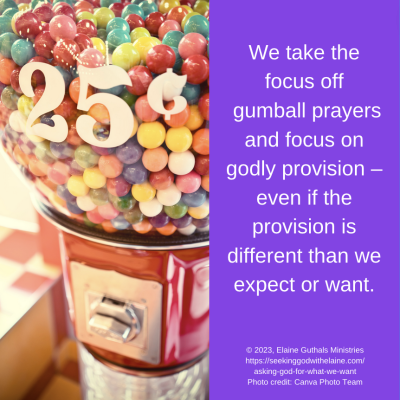
  • Jesus as an Inhabitant of Heaven

    One day, we will be called home to Heaven. As we are looking at the Lord’s Prayer, Jesus told us to pray to God in Heaven. This devotional reading looks at how we will live with Jesus for eternity.

    Nuggets

    • As Jesus had descended to earth, it is only natural that He ascend again to Heaven.
    • After Jesus returned to Heaven, He was given a place of honor – at the right hand of God.
    • Once eternity begins, there will be nothing that can separate us from Jesus.

    It might seem like we are chasing a rabbit, but we’ve been talking about the inhabitants of Heaven. We said that angels, the Church, God, and Jesus will live there.

    We’ve already identified Heaven as the home of God, so we aren’t going to rehash that. Let’s move on to Jesus as an inhabitant.

    Let’s Put It into Context

    To read devotions in the Habitual Holiness of Heart and Life theme, click the button below.

    Here is a running list of nuggets for the series.

    Devotions in the Commit to Grow Our Habits study

    Here is a running list of nuggets for the study.

    Ascended to Heaven

    “And when he [Jesus] had said these things, as they were looking on, he was lifted up, and a cloud took him out of their sight” (Acts 1: 9 ESV)

    As Jesus had descended to earth, it is only natural that He ascend again to Heaven.

    Oh, yeah. There was nothing natural about it to the men who were watching Jesus. The way it is written makes it sound like a cloud just came, picked Him up, and – after a bit – hid Him from view.

    Not every day we see a cloud taxi.

    Think about it. Ascension back to Heaven was a really important part of the Plan of Salvation.

    Yes, I think the Plan was completed on the cross. Jesus actually said it was (Jn. 18: 30).

    The resurrection was important. Jesus’ sacrifice wasn’t just about death. It was about new life.

    To read a related devotion, click the appropriate button below.

    Then we get to the ascension. The actual lift off shouldn’t trip us up. Jesus had said in Matthew 28: 18, “… ‘All authority in heaven and on earth has been given to me’” (ESV).

    The disciples had to see Jesus going up to Heaven. He didn’t want them to continue looking for Him when He was long gone from this earth.

    Jesus wanted them focused on the missions that He had for them. They were to “Go therefore and make disciples of all nations, baptizing them in the name of the Father and of the Son and of the Holy Spirit, teaching them to observe all that I have commanded you …” (Mt. 28: 19-20 ESV).

    The disciples’ calendars were going to be too full to be playing hide and seek.

    Beyond that, us being us, we would have seen Jesus as we are. He would have grown old, gotten sick, and died in our mind’s eye if we didn’t have the account of Him leaving alive.

    There is a problem, though. We may see Jesus going back to Heaven not as new life, but as a resumption of His old life.

    But it wasn’t. It was more than that.

    Hamilton explained it this way. He wrote, “The ascension of Jesus was essential to the plan and work of redemption. It was necessary to relate again the work which Jesus had come to do in the earth with the world from whence He came.”

    Resource

    Jesus was fulfilling His prophecy that He would go back to Heaven and intercede for us.

    How many times in the gospels did we read that Jesus went off on His own to spend time with His Father? Part of that time was spent praying for the apostles – and us.

    You don’t think Jesus was going to give that up, did you?

    It was very important that Jesus go back to Heaven alive. He had conquered sin, which had ushered in death. We are free and able to obtain His character.

    It was important that the disciples had to see Jesus – then not see Him. They had to see there was more after life on this earth.

    They had to see Jesus go. They had to know about the unseen.

    To read a devotion in the The Unseen Spirit World series, click on the button below.

    The ascension was also about glorifying Jesus. “After the Lord Jesus had spoken to them, he was taken up into heaven and he sat at the right hand of God” (Mk. 16: 19 NIV). He had been obedient to the Father. The Father was now rewarding Him.

    We can ascend, too. Jesus told us that Himself.

    “In my Father’s house are many rooms. If it were not so, would I have told you that I go to prepare a place for you? And if I go and prepare a place for you, I will come again and will take you to myself, that where I am you may be also” (Jn. 14: 2-3 ESV).

    One day, we will ascend to Heaven to be with Jesus.

    At the Right Hand of God

    “He is the radiance of the glory of God and the exact imprint of his nature, and he upholds the universe by the word of his power. After making purification for sins, he sat down at the right hand of the Majesty on high” (Heb. 1: 3 ESV)

    After Jesus returned to Heaven, He was given a place of honor – at the right hand of God.

    Some of us probably know that this positioning is a reward; and in this case, it is a reward specifically for Jesus’ obedience. We picture in our minds Jesus whispering in God’s ear, advocating for us,

    Moule said it was a little more than that. He wrote, “The metaphor (from an Oriental throne, a seat admitting more than one occupant) implies the share of the incarnate Lord in the supreme glory — more than mere nearness to it.”

    Resource

    Let’s see what Scriptures say.

    • “Then the angel showed me the river of the water of life, bright as crystal, flowing from the throne of God and of the Lamb” (Rev. 22: 1 ESV).
    • “And now, Father, glorify me in your own presence with the glory that I had with you before the world existed” (Jn. 17: 5 ESV).

    I love that last one. It doesn’t say glorify me in Your presence. It says, “… glorify me in your own presence …” (Jn. 17: 5 ESV).

    My being is Your being. God and Jesus are One (Jn. 10: 30), so they share the being.

    Parsons stressed that Jesus is sitting down. He gave us several reasons why this is important.

    • Jesus is experiencing calm after the struggles through which He went.
    • It indicates His authority.
    • It indicates it is His permanent position.

    Resource

    I keep thinking back to the reading of the Scriptures in synagogue. Once the Rabbi was done reading, he sat down.

    Jesus has successfully completed the Plan of Salvation. He has earned the right to sit down.

    Always with Jesus in Heaven

    “Then we who are alive, who are left, will be caught up together with them in the clouds to meet the Lord in the air, and so we will always be with the Lord” (I Thess. 4: 17 ESV)

    Once eternity begins, there will be nothing that can separate us from Jesus.

    Oh, wait! Don’t we have that now?

    “And I am convinced that nothing can ever separate us from God’s love. Neither death nor life, neither angels nor demons, neither our fears for today nor our worries about tomorrow — not even the powers of hell can separate us from God’s love. No power in the sky above or in the earth below — indeed, nothing in all creation will ever be able to separate us from the love of God that is revealed in Christ Jesus our Lord” (Rom. 8: 38-39 NLT).

    We might have trouble believing that right now. We shouldn’t.

    Once we submit our lives to God, we can bank on this promise. It will never end. “… nothing in all creation will ever be able to separate us from the love of God that is revealed in Christ Jesus our Lord” (Rom. 8: 39 NLT emphasis added).

    Spurgeon explained it this way. He wrote, “As we have received Him, so shall we walk in Him, whether in life or death.” Once we have ABCDed – and put emphasis on the D part – we will walk with Him.

    Resource

    Think about this. We know we are to walk in the Spirit here on earth. We won’t be in the Spirit in Heaven, but we will be doing the same walk – obeying God. That isn’t going to change.

    To read devotions in the Walk in the Spirit series, click on the appropriate button below.

    What? Did you think God’s laws were going to change once we get called home? No.

    God’s laws reflect His character. That isn’t going to change.

    jesus-as-an-inhabitant-of-heavenFB

    Making the Connections #1

    I love what Mangey said. He wrote, “Our [Savior], to oppose narrowness of opinion, requires us to pray to our Father which art in heaven, showing by this, that our petitions have equal access to Him from all places.”

    Resource

    Our prayers reach God regardless of where we are. We don’t have to be in a church or synagogue. We could even be in a bar, and God would hear a sincere prayer from one of His children.

    The prayers of the greatest disciple doesn’t have precedence over mine. Mine doesn’t have precedence over someone else.

    Making the Connections #2

    Johnson also made a great observation. We talk about God’s goodness. Heaven is the meeting place where we will come into contact with that goodness.

    Resource

    Yes, we have access to some of God’s goodness now. But God is saving the best blessings for Heaven – after we have endured and become perfected.

    How Do We Apply This?

    • Believe in the unseen world.
    • Respond as the apostles did – with joy.
    • Imitate Jesus – be meek and lowly, serving in love.
    • Live in the fear of the Lord and hope.
    • Work to become like Jesus now so that eternity begins now.

    Resource

    Father God. We thank You that You loved us enough to send Your Son to complete the Plan of Salvation. We thank You that, one day, we will get to thank Him face to face. We look forward to living with Jesus for eternity. Amen.

    What do you think?

    Leave me a comment below (about this or anything else) or head over to my Facebook group for some interactive discussion.

    If you don’t understand something and would like further clarification, please contact me.

    If you have not signed up for the email providing the link to the devotions and the newsletter, do so below.

    If God has used this devotion to speak with you, consider sharing it on social media.