Blog

  • Reflecting Him to Others by Imitating God

    The third prong of godliness is reflecting God to others. This daily devotional reviews how we relate to others while we imitate God by loving and serving them.

    To read devotions in the Redo for Godliness series, click the appropriate button below.

    • The focus has to be on God and on others, not us. We renew ourselves by becoming more like Him and serving others (Renewing the Inward Person).
    • Reasonable service should be equated with intentional. We need to choose to follow God with every fiber of our being (Transformed to Service and Worship).

    Imitating God

    • God’s priority is our spiritual condition, not our physical condition. He wants us to witness to others to expand His kingdom (Improving Our Discipleship through Right and Wrong).
    • As we grow in godliness, we become the personification of God. Others can see God because we are reflecting His character (What Is the Power That Can Make Us Godly?).
    • We are to open ourselves up to others. We need to let them in, and they need to see the real us. If we do that, they see the God we are imitating (Attributes of God: Loving).
    • God wants us to support each other. That is especially true in our support of each other’s relationship with Him (How Are Disciples of Christ to be Merciful to Others?).
    • We have to make daily choices to follow God. Unfortunately, sometimes we make the wrong choices. God will forgive us when we ask (The Morality of Good Report).
    • Unlike the worldly hope, disciples can truly believe that the object of our hope is permanent. It will last throughout eternity (The Morality of Being Hopeful).
    • We are to be the outward expression of God’s holiness because we were made to worship Him (Attributes of God: Holy).
    • Religion on its own can’t save us. Church attendance — the ceremony and pageantry of it — means nothing without the personal relationship with God (Belief in the Christ of the Cross is Essential).

    Ways to Relate

    • Our inner character is shown through the decisions we make. Possibly one of the best ways to show that is in how we treat others. How we treat others either makes the situation peaceful or causes strife (The Morality of Being Lovely).
    • We were created to interact with each other (The Law of Getting Along).
    • Following the Golden Rule helps us treat other justly (The Morality of Being Just).
    • We are also to be burdened with the sins of others. We are given our marching orders to help them see the need to confess their sins (Transformed to Love).
    • We have to make sure we are doing the hate right. It says hate sin. It does not say hate the sinner (Transformed to Love).
    • Pride means that the picture that we have of ourselves is faulty. It also usually means that the picture we have of others is also faulty. This stops us from fulfilling the second greatest commandment: love others (Guarding Our Hearts from Prideful Thoughts).
    • God does expect our relationships with Him to be visible to others. They have to be able to see what we believe. But that stems from the inside and touches on the how aspect (How Do Morals Improve Our Discipleship?).
      • For I was hungry for the Word of God and you introduced me to it and helped me understand.
      • I was thirsty, and you took me to the well of Living Water and gave me drink.
      • I was a stranger searching for God, and you welcomed me and guided me to find Him.
      • I was naked, and you clothed me. “I rejoice greatly in the LORD, I exult in my God; for he has clothed me with the garments of salvation and wrapped me in a robe of righteousness …” (Isa. 61: 10 CSB).
      • I was sick because sin is an illness, and you visited me with the cure.
      • I was in prison because all sinners are prisoners to sin, and you came to tell me how to break out (Improving Our Discipleship through Right and Wrong).
    • Disciples of Christ are to be known by their compassion. A major component of our religion must be mercy and compassion. We are to have compassion for the poor. We need to have the compassion to determine what they need from us and how we can point them to God (What Are Acts of Mercy?; Practicing Love; How Are Disciples of Christ to be Merciful to Others?).
    • We can have compassion for others because of similar life experiences. Kindness is fueled by the desire to do good to others. Part of this fuel is our humility and our holding others in higher esteem than ourselves. Meekness and patience/longsuffering are related as both address self-control (What Are Acts of Mercy?).
    • Judgment without mercy is not showing them compassion. It is showing moral superiority (How Are Disciples of Christ to be Merciful to Others?).
    • God doesn’t want us to think we are superior to others — or consider others superior to us (How Are Disciples of Christ to be Merciful to Others?).
    • Jesus drove home the point that disciples must be compassionate to all (Practicing Love).
    • We are to treat those over whom we have authority as God would treat us. Bottom line is, regardless of their position in life, we are to treat others as equals. We start by giving others the respect they deserve as creations of God. We give them their due. But we are to go beyond that and love them (The Morality of Being Just).
    • If mankind does not love mankind, the equity will not be there. The worldview definition of tolerance as love does not get down to the personal level. It stays on the action level. It can’t be a surface love (The Morality of Being Just).
    • When we are describing our relationship with God to someone who we are witnessing to, we need to make sure we are being honest. We have to faithfully represent Who God is and what He has done for us. We damage our relationships with others when we lie (The Act of Standing Morally; Why Lying Is a Moralities Issue for Disciples of Christ).
    • If we hold others with a higher esteem, we are more apt to share with them. That makes us less selfish (The Manner in which Disciples of Christ Are Merciful).
    • We must act with mercy immediately when the situation requires (The Manner in which Disciples of Christ Are Merciful).
    • We show our gratitude to God by being merciful to others (The Manner in which Disciples of Christ Are Merciful).
    • Disciples are to disciple others mercifully when they sin. It is difficult to speak with someone else regarding their sins. We are to do it with gentleness and love (How Are Disciples of Christ to be Merciful to Others?).
    • We should show mercy to all, regardless of how successful we believe they are (How Are Disciples of Christ to be Merciful to Others?).
    • We are to show mercy to those who are enduring persecution (How Are Disciples of Christ to be Merciful to Others?).
    • Considering the poor God’s way is going to start with our acceptance of God’s principles. We should supply the needs of others after we have ABCDed (God’s Blessings for Merciful Disciples of Christ).
    • Our love stems from God. It doesn’t come from us. It definitely doesn’t come from this world (Transformed to Love).
    • Loving God and others lead to eternal life. Loving our neighbor talks more of morals than affection (Learning about Love).
    • Loving others should have the same emphasis as loving God — and loving God should have the same emphasis as loving others. If loving God and loving others leads to perfection, we have to embrace God’s love upon conversion and keep it at the forefront of our redo for godliness (Learning about Love; Attributes of God: Loving).
    • Love is a distinguishing mark of our being disciples. It does have to be part of our character. God wants us to love all. We are to teach others about God’s love for us. It is expressed by considering others family. Love is expressed by holding others in high esteem. Living in harmony with others allows for God’s love to shine through (Are Disciples to Ignore Sin Because of Love?; Who Do We Please?; Transformed to Love; Transformed to Harmony).
    • We are all the same. Regardless of our race and ethnicity, we are all children of Adam. We are one big family.
    • Disciples are to love one another, especially our brothers and sisters in Christ, so that we can support them in their needs (Transformed to Harmony).
    • It is easy to love people when they are lovable — i.e. fit into our expectations and beliefs. We need to love the hard to love people anyway (Transformed to Harmony).
    • By being in constant communication with God, we are devoted to Him and serve Him and others. God calls us to serve Him by loving and encouraging others. Whatever way God chooses for us to serve Him must be holy (Transformed to Perfection; Transformed to Service and Worship).
    • We think of God’s work as the missionaries, preachers — some full-time job. But what did Jesus say when He talked about separating the sheep and the goats? “For I was hungry and you gave me food, I was thirsty and you gave me drink, I was a stranger and you welcomed me, I was naked and you clothed me, I was sick and you visited me, I was in prison and you came to me” (Mt. 25: 35-36 ESV). Those don’t have to be full-time jobs. They don’t even have to be an everyday occurrence. The point is, when God puts someone in our path, we respond in His way in His name. We do it sincerely and promptly (Living the Life).
    • We don’t know how long we will have the opportunity to serve. The opportunity may be available for a limited time. We may be facing death before we know it. God wants us to act when He calls (Living the Life).
    • God wants us to be unified with others (Transformed to Harmony).
    • We are to rejoice with others in their joy and encourage them in their hardships (Transformed to Harmony).
    • We need to support and encourage others. In this way, we show them God (Transformed to Harmony).
    • Having pride isn’t the way to go. God wants us to be humble and submissive to Him. We can’t think more highly of ourselves than we are. We have to acknowledge that, without a relationship with God, we are nothing. The submissive part means that we don’t sin and give Him the glory He deserves (Transformed to Harmony).
    • If we look at the Sanctification Road as a continuum, we could be anywhere on our continuum. That means we could be either strong in our faith or weak. But others could be anywhere on their continuum, too. When we are at differing ends, it can be challenging at times (The Law of Unity).
    • The problem is that people interpret Scriptures to mean different things. Some say abstinence is the way to go. Some say faith allows us to do whatever we want (The Law of Unity).
    • We are not to give rise to contentious feelings among disciples (The Law of Unity).
    • We can’t force someone to believe the same way that we do. We shouldn’t make our opinion of the law. This is especially true if it is over something trivial. We shouldn’t break our unity over something that, in comparison, is not important (The Law of Unity).
    • None of us is going to know everything. We shouldn’t force our opinion on someone else when we can be wrong (The Law of Unity).
    • We are not to judge those we consider are spiritually weaker than us. Though they are weak, they are still disciples (The Law of Unity).
    • Sometimes, it is just as easy for the weak to judge the strong (The Law of Unity).
    • God wants all of His children to be unified. Disciples should be patient with each other. We have to remember we are all still capable of sinning. We can still sin — and we will sin (The Law of Unity).
    • A uniting factor should be our sincerity. We should each be genuine in our being a disciple of Christ. It should be our goal to do the do’s and not do the don’ts in order to grow our character to be like God’s. That alone should be a tie that binds us together (The Law of Unity).
    • If Jesus accepts someone — we should, too. When we don’t accept them, we are using our standards, not God’s, on which to judge (The Law of Liberty).
    • God wants us unified with His character. He wants us treating each other as if we were interacting with Him (The Law of Liberty).

    Father God. You call us to love You, but You also call us to love others. Help us to portray Your love for others to worldview people to show them how much You have sacrificed for us. Amen.
    reflecting-god-to-others-by-imitating-himreflecting-god-to-others-by-imitating-himPin

    What do you think?

    Leave me a comment below (about this or anything else) or head over to my Facebook group for some interactive discussion.

    If you don’t understand something and would like further clarification, please contact me.

    If you have not signed up for the email daily or weekly providing the link to the devotions and the newsletter, do so below.

    If God has used this devotion to speak with you, consider sharing it on social media.

  • Connecting God’s Laws and Commandments to Character

    In the last couple of devotions, we have been looking at the second side of our triangle – Obeying God’s Laws and Commandments. This daily devotional reviews how that grows our character.

    To read devotions in the Redo for Godliness series, click the appropriate button below.

    Making the Connections

    • Many times, when we pray, we say, “God, let this happen if it is in Your Will.” Sometimes God lets things that we ask for happen — even if they aren’t in His Will and aren’t for our good. When we are given what we ask for in this way, it becomes a consequence of setting our affections below (Consequences of Setting Our Affections Below).
    • Our lives here on earth determine the treasures stored up for us in Heaven. Collecting our treasures shows the priority that we are making God in our lives. It is the evidence of our belief (Benefits of Setting Our Affections on Things Above).
    • To reach Heaven, we must set our affections on things above. Focusing on this world will not gain us Heaven (How Do We Set Our Love, Desire, Hope, and Joy Above?).
    • There are two paths in life. It is our choice which path we will go down. In order to make the choice, we need to know about where the two paths lead. One leads to Heaven and joy and pleasure. The other leads to hell and torment. The way to Heaven is right while the other way only seems right, but isn’t (More Benefits of Setting Our Affections on Things Above).
    • Setting our affections on things above helps us to long for Heaven (Final Thoughts on Setting Our Affections on Things Above).
    • We choose not to follow God. We choose to suffer the consequences of our choice. This is an individual choice. Our parents don’t make it for us. It isn’t made because we attend a religious organization (Consequences of Setting Our Affections Below).
    • Satan convinces worldview people that they do not need to follow God’s laws and commandments. They can choose their own morals and actions. Their self-centeredness is elevated to arrogance when they feel they should not be held accountable for their actions and thoughts (Why Do We Suffer Consequences When Setting Our Affections Below?).
    • We think that environment determines who we will be. Environment does influence who we turn out to be. However, the choices are always ours. It is part of our free will (How Do We Switch Our Affections in Our Redo for Godliness?).
    • The earth will pass away. We won’t (Why and How Are We to Live Godly Lives?).
    • We have to put our emphasis on being godly when Jesus returns (Why and How Are We to Live Godly Lives?).
    • We do have much to add to the narrative of the gospel. No, we are not changing the gospel. We are adding to the reports of how that plays out in our lives today (Honoring God with Our Lives).
    • Notice, when it says greatest commandment, commandment isn’t plural. Salvation is not contingent on “… ‘You shall love your neighbor as yourself’” There is no other commandment greater than these.’” (Mk. 12: 30 ESV). Notice that it is plural when it says we are to obey all statutes. We can’t pick and choose in which laws and commandments we don’t believe. It is all or nothing (What Is Our Life About?).
    • We can’t, though, just look at the two greatest commandments, say we keep them, and break all the others. Breaking any of the other laws and commandments breaks the greatest commandment (What Is Our Life About?).
    connecting-gods-laws-and-commandments-to-characterPin

    How Do We Apply This?

    • We need to live like the gospel tells us to live. We need to live godly lives (Why and How Are We to Live Godly Lives?).
    • We use our intelligence to discern what God wants us to know and good from evil. We are to love as God loves. We are to preach His gospel and make disciples. We are to do whatever God asks us to do. We need to grow in faith and grace. We need to repent of the sins we continue to commit and omit and broken-hearted because we still commit the sins. We need to watch and waiting expectantly for Jesus’ coming. We must be sincere and diligent in living for God. We are to be patient. We need to live lives full of charity (Why and How Are We to Live Godly Lives?).
    • I think the bottom line is we need to want it. We need to want godly lives. It is going to be hard. Satan is going to throw everything he has at us to try to derail us off the narrow path (Why and How Are We to Live Godly Lives?).
    • Just believing isn’t enough. We have to confess — we have to talk about it (What Are the Causes and Effects of Evil? (Part 3)).
    • We should make our conversations count. God expects us to tell others of the good He is going in our lives. We should use our words to build people up — not just give prideful, selfish discourses of ourselves (The Morality of Peace).
    • Watching assumes that we are in the place in which we are supposed to be. We have to have our priorities straight (The Act of Standing Morally).
    • Unrepented sin tarnishes our righteousness (The Act of Standing Morally).
    • In order to be blameless, blessed, and perfect, we need to be sincere and genuine (Keeping Our Actions and Morals Consistent).
    • Being blameless has to be coupled with a sincerity of heart. We have to submit to God as Sovereign Lord. We have to genuinely be trying to obey God’s laws and commandments (Keeping Our Actions and Morals Consistent).
    • God wants us to be faithful in those things in which we have control. Sometimes, He may put it in our plans to try to remove the idols. If He does, we have to choose to be faithful there (Keeping Our Actions and Morals Consistent).
    • We need to choose to be completely obedient to God. If we are faithful, it will cover our sins (Keeping Our Actions and Morals Consistent).
    • Everything we do is written down in our book of life. We won’t get to cook the books in order to influence God’s judgment on our lives. We have to live godly lives now (Keeping Our Actions and Morals Consistent).
    • We should be faithful in keeping our word, or we are liars (Why Lying Is a Moralities Issue for Disciples of Christ).
    • Our character should not be dependent on the circumstances in which we find ourselves (Why Lying Is a Moralities Issue for Disciples of Christ).
    • We have to exhibit truth in our character. This shows that we have a new nature as we are new creations (Why Lying Is a Moralities Issue for Disciples of Christ).
    • We each have a purpose in this world. We must diligently work to fulfill that purpose (The Manner in which Disciples of Christ Are Merciful).
    • That purpose is for us to do good works. Being merciful is all about doing good works for God (The Manner in which Disciples of Christ Are Merciful).
    • We can only get to a solid relationship with God through prayer (What Are Acts of Mercy?).
    • While we are pursuing righteousness, we should be pursuing mercy (What Are Acts of Mercy?).
    • Mercy should be appropriate to the situation with which the disciples of Christ are addressing (What Are Acts of Mercy?).
    • We cleanse our hands by confessing our sins and allowing the blood of Christ cleanse us (How Do We Cleanse and Purify to Submit to God?).
    • We have to make the decision to submit to God. Then He cleanses us from sin (How Do We Cleanse and Purify to Submit to God?).
    • We need to purify our hearts because that is where our character comes from (How Do We Cleanse and Purify to Submit to God?).
    • We make many choices during the course of the day. Every time we make a choice that is counter to God’s Will, we haven’t resisted the devil (How Are We to Submit to God?).
    • Bottom line is we can’t be passive in our salvation. We have to fight to stay in God’s Will (How Are We to Submit to God?).
    • We can only resist the devil through God’s power (How Are We to Submit to God?).
    • It is our choice to submit to God or not resist the devil (How Are We to Submit to God?).
    • We are told God never leaves us, but we are to turn to Him (How Are We to Submit to God?).
    • We have to be actively seeking Him (How Are We to Submit to God?).
    • We are to conduct ourselves honorably. We are to be in the world. We are to have contact with non-believers. We are to be consistent in our behavior. What Peter is really getting at here is that we have to remain pure in heart regardless of our location and company at the time (The Morality of Good Report).
    • The progress is to be applied over all of our nature. God isn’t interested in fixing only one or two aspects of our character (Diligence Is a Work in Progress).
    • We glorify God by the good works performed through His righteousness in us. Our being and doing should be to glorify God (Improving Our Discipleship through Glorifying God).
    • Our faith has to be whole. Everything we believe and do — from the largest thing to the smallest — must be governed by our faith (Honoring God with Our Lives).
    • We can’t be begrudgingly obedient to God and think we are honoring Him. We have to be completely submitted to Him to cheerfully do His Will (Honoring God with Our Lives).
    • We have to put ourselves into position to hear God’s Word. We have to work at it so we can understand who God is and what He has done for us. We have to live the way He wants us to live. We have to live moral lives (Peace and Safety Are the Rewards of Morality).
    • The reward God gives us depends on our actions — not just our knowledge or thoughts. It is based on what we do with what we know. It is based on what we do for Him (How Do We Switch Our Affections in Our Redo for Godliness?).
    • Thy Will be done. Really, that is what God wants in a nutshell. Remember, we said it wasn’t about doing or not doing. Perfection was all about being (Jesus’ Prayer of Submission).
    • This renewal isn’t a Sunday-and-done-for-the-week thing. It is a daily renewal. It also isn’t a once-and-done renewal. It is a gradual, daily renewal (Renewing the Inward Person).
    • We need to remember how He has provided for us in trials. We need to think about how God has saved us from difficult circumstances (How Else Do We Set Our Thoughts Above?).
    • We need to be self-controlled in each area. If we aren’t controlled by God in our opinions, affections, and speech, we damage our witness. If we aren’t self controlled in our expectations, then we could come across as arrogant and uncaring (Renewing Our Inner Person by Being Sober).
    • We are not to be going to extremes, but we should be grounded in reality (Renewing Our Inner Person by Being Sober).
    • We need to switch our focus away from desiring worldly possession to focus on God (How Do We Switch Our Affections in Our Redo for Godliness?).
    • We need to switch our focus to where God is working and help there (How Do We Switch Our Affections in Our Redo for Godliness?).
    • A consequence of setting our affections below is being self-centered, instead of focusing on God (Why Do We Suffer Consequences When Setting Our Affections Below?).
    • God wants us to master our pride and focus on Him (Setting Our Affections on Things of Earth).
    • We need to be intentional in evaluating the priorities of our lives (Prioritizing Things Above).
    • We can’t wait to come to God just when we have physical and emotional needs. We need to come to God as Sovereign God first. The praise and worship have to come before the laundry list of requests. We have to come frequently (How Do We Switch Our Affections in Our Redo for Godliness?).
    • God does hold us accountable. We, as His creations, are obligated to follow His laws and commandments. If we don’t, we will pay the consequences (Why Do We Suffer Consequences When Setting Our Affections Below?).
    • Worldview people want us to hear what God calls sins — and ignore them. They want us to hear “… Go ye into all the world, and preach the gospel to every creature” (Mk. 16: 15 KJV) — and not do it. We have to do what God tells us to do, not what worldview people tell us. We can’t water down the gospel in order to get their stamp of approval (Why Do We Suffer Consequences When Setting Our Affections Below?).
    • God is looking for a genuine confession. He is looking for obedience to His way (Why Do We Suffer Consequences When Setting Our Affections Below?).
    • God will honor those who are obedient to Him (Benefits of Setting Our Affections on Things Above).
    • We need to corral our thoughts to focus on pursuing perfection. If we focus our thoughts on God, we can renounce our self-righteousness and focus on the righteousness gained through faith (How Do We Set Our Thoughts Above?).
    • Yes, we can question God. We cannot doubt Him. We have to always give Him the glory and honor He is due (How Else Do We Set Our Thoughts Above?).

    We need to keep this in mind:

    • God knows how much work it is going to be to diligently follow Him. He will reward us when we succeed in obeying Him (Renewing the Inward Person).
    • We are to come acknowledging our need for Him rather than kicking ourselves that we don’t meet the standard (How Else Do We Set Our Thoughts Above?).

    Father God. Knowing of You is not enough. Believing in You is not enough. We must change our character to be that of Yours and live our lives proving that we want to be like You. Satan tempts us to focus on the worldview. Help us to keep our focus on You. Amen.

    What do you think?

    Leave me a comment below (about this or anything else) or head over to my Facebook group for some interactive discussion.

    If you don’t understand something and would like further clarification, please contact me.

    If you have not signed up for the email daily or weekly providing the link to the devotions and the newsletter, do so below.

    If God has used this devotion to speak with you, consider sharing it on social media.

  • Continuing to Build Character through Sanctification 

    The process that God uses to get us to godliness is sanctification. This daily devotional concludes the review of how sanctification isn’t an immediate fix but a lifetime of learning to follow Him.

    To read devotions in the Redo for Godliness series, click the appropriate button below.

    Sanctification can be a difficult topic to understand for some. Let’s put it this way.

    • We are doing the redo for godliness so that we can improve. That improvement equates to successfully completing the Sanctification Road. Our goal is to be “… pure and blameless for the day of Christ” (Phil. 1: 10 ESV). That will lead to perfection. We get there through prayer, love, knowledge, and discernment (How Do We Overcome the Original Corruption of Bad Thoughts?).

    Let’s Put It into Context

    Sanctification is the transformation of mind, body, and soul, which begins with regeneration, gradually changes our nature and morals through the promptings of the Holy Spirit, and ends with perfected state of spiritual wholeness or completeness.

    • Regeneration is being changed from spiritually dead to spiritually alive and the internal requickening in us that God brings about through the work of the Holy Spirit to give us new character.
      • Spiritual death is the separation from God that occurred as a consequence of Adam and Eve’s original sin. The spiritually alive are those who have ABCDed, so they are no longer separated from God.
    • Perfection means we reach a state of maturity because the combination of the spiritual graces form, when all are present, spiritual wholeness or completeness — holy, sanctified, and righteous.
      • Spiritual graces are worldly morals that have been submitted to God to further His kingdom instead of enhancing this world.
      • Sanctified means to be set free from sin.
      • Righteous means we are free from sin because we are following God’s moral laws.

    The ABCDs of Salvation

    If you have not become a believer in Christ, please read through the
    Plan of Salvation and prayerfully consider what God is asking you to do.

    A – admit our sins
    B – believe His Son Jesus is our Redeemer
    C – confess God as Sovereign Lord

    D – demonstrate that commitment by making any changes needed in our lives to
    live the way in which God has called us

    The Disciple’s Job Description

    Glossary

    Gaining God’s Character through Sanctification

    • We have to be sanctified up to His character. Mankind’s character is not enough. What the worldview sees as good enough isn’t because the worldview character does not have God in it (Focusing Our Thoughts on God).
    • If we are not seeking God, there is no way He can sanctify us. We are definitely not working at our salvation (Focusing Our Energies on God).
    • If we are taking the easy way out with the least amount of work possible, we won’t find God (Focusing Our Energies on God).
    • We know that we can find that which our soul hungers for, but we must yearn to know God. That is, we must want it badly. The only way to do that is to be diligent in seeking God (Focusing Our Energies on God).
    • We can’t be idle and quit examining where we are in our journey and what we need to do to become more in line with what God wants (Focusing Our Energies on God).
    • God grows us and opens up new opportunities for us. To get us to move where He wants us to be, He starts sowing the seeds of want more or different (Final Thoughts on Setting Our Affections on Things Above).
    • I think a good way of switching our affections back to God is seeing covetousness for what it is. It is an indulgence. It is a self-gratification where we lack moderation. It becomes a luxury and a tolerance(How Do We Switch Our Affections in Our Redo for Godliness?).
    • God will not share worship with anything we make into a god.We need to switch to rely on God’s provision, so we don’t have to put a wrong focus on earthly things (How Do We Switch Our Affections in Our Redo for Godliness?).
    • If some of the spiritual graces are absent, our character is defective. Reputation and character are two different things, but both are important (How Do We Set Our Thoughts Above?; Don’t Slander Our Good).
    • We are ministers for Jesus and God, so we should not boast of ourselves. It isn’t our goal to have world-wide fame. Our goal is to be different from the world (Jn. 15: 19 ESV) (The Focus of the Ministry; We Are All Ministers).
    • Studying the Scriptures cleanses the bad thoughts. We cleanse our thoughts when return to having a strong relationship with God. Our thoughts play a role in salvation as our faith begins in our mind. That is where it starts before we get it to the heart level. They also play a role in returning us to our first love. Unfortunately, many times we lose our first love through thoughtlessness (How Do We Overcome the Original Corruption of Bad Thoughts?).
    • Meditation is a big part of achieving sanctification. What is meditate? It is to think about it, reflect on it, deliberate, and engage in it. Meditating on God helps us in the sanctification process. Our journey on the Sanctification Road includes sanctification of our thoughts. That means that we can learn to control them. Meditation should include evaluation that leads to accountability. Our thoughts help us to evaluate ourselves. If our thoughts are wandering all over kingdom come, it is harder to corral them to take an in-depth assessment of how things really are. We either don’t start or give up before we get ours reconciled with God (How Do We Set Our Thoughts Above?; How Do We Overcome the Original Corruption of Bad Thoughts?; Controlling Our Thoughts through Meditation).
    • Meditating stabilizes our hearts and minds and calms us as we think about the love of God (Controlling Our Thoughts through Meditation).
    • Our thoughts are a good indicator of who we are. They reflect our character. True, a lot of our thoughts amount to nothing — they are just a waste of time and focus. The issue is “For as he thinketh in his heart, so is he …” (Prov. 23: 7 KJV). Our thoughts become who we are (Controlling Our Thoughts through Meditation; Guarding Our Hearts from Prideful Thoughts).
    • Have you ever considered that sin generally comes from our thoughts? Even when it has a visual or auditory component, we have to consider whether we will give into the temptation (Controlling Our Thoughts through Meditation).
    • We control our actions. We express ourselves through our actions. Our thoughts show our purpose. We can control our thoughts and feelings through meditating on God (Controlling Our Thoughts through Meditation).
    • Humility helps keep prideful thoughts at bay (Guarding Our Hearts from Prideful Thoughts).
    • We not only are faulty in how we see ourselves, but we also do not see the standard of character correctly (Guarding Our Hearts from Prideful Thoughts).
    • When Satan pops an evil thought in our hearts, it is our choice whether we are going to cultivate and water it so it can grow or cut pull it out by the roots. If our will is right with God, the latter is going to happen. If not, break out the watering can (Guarding Our Hearts from Prideful Thoughts).
    • It is our responsibility and obligation to be happy and content in life — regardless of the circumstances (Where Is the Balance?).
    • Our lives become unbalanced when we become too righteous. We generally think of someone too righteous as someone who is an over-the-top religious person (How Does being Righteous Affect Balance?).
    • We try to do our own self-help program. But remember God said we can’t do it without Him (How Does being Righteous Affect Balance?).
    • It isn’t about our personal righteousness. It is about God’s righteousness, which we reflect (How Does being Righteous Affect Balance?).
    • We even get out of balance when we evaluate ourselves. We bite on ourselves too much for the sins we commit. We keep biting on ourselves for sins God on which has already forgiven us (How Does being Righteous Affect Balance?).
    • We are sweating the small stuff. We need to quickly respond to God’s call and totally choose to follow His ways on the meaty matters of life (How Does being Righteous Affect Balance?).
    • Unfortunately, runaway righteousness gives itself away when it strives for standards of a character that is unattainable. The problem is when we try for something even more than what God is asking. I read it to mean we are trying to make us more godlike than God (How Does being Righteous Affect Balance?).
    • Even though we are sinful in nature, God calls us to be perfect as He is (How Does being Righteous Affect Balance?).
    • We ABCD. We think we are going to keep God’s laws and commandments perfectly, and — oops, we don’t (How Does being Righteous Affect Balance?)
    • It is our duty to be perfect, but there is struggle in life as we try to be (How Does being Righteous Affect Balance?).
    • We shouldn’t be overly concerned about what others think. We have to realize that worldview people are judging us on worldview standards, not God’s. We shouldn’t be concerned with worldview standards. We need to be concerned with what God thinks of us (How Does being Righteous Affect Balance?).
    • We are safe because we are in God’s hands. There is no better place to be (Facing Death).
    • We are to enjoy life. We are to find the joy that God gives (Living the Life).
    • If God gives us this joy, peace, and hope, He isn’t going to want us to be blowing it with our pouty faces on — or worse. He wants us to exude a happiness of knowing Him (Living the Life).
    • We are to enjoy a life free from sin (Living the Life).
    • We strive to be the disciples God calls us to be. When we fail, we ask for forgiveness (Living the Life).
    • The first thing we have to do is work out our own salvation. Next, God wants us to tell others about His love to expand His kingdom. He called us to do His work as we go (Living the Life).
    • It is to our advantage that we come to salvation when we are younger. It helps when we are thrown into the trials of life — when “… the days of adversity …” (Ecc. 12: 1 CSB) come. Plus, even the young are not guaranteed a long life.
    • When we are younger, asking Jesus to be our Savior helps build our character. The younger we are, the easier it is to form good habits. If the governing principle is at the center of character, we have to make a choice as to whether it will be good or evil. That choice will form our character (What Is Life About?).
    • We know that the words that will do the most good to change us to be like God will be those that hurt the most (What Is Our Life About?).
    • We need to be buried in God’s Word so that we may be close to His altar. Our lives are about praising Him and telling others (What Is Our Life About?).
    • Our purpose is to have a relationship with God. It is about being right with God. It is about following God’s laws and commandments. It is about worshiping Him (What Is Our Life About?).
    • We need to meditate on everything we think, do, say, or feel — everything. Our whole lives have to be given over to God (What Is Our Life About?).
    • It seems like, in many instances, we leave the bulk of the work to only a few workers. We can’t do that. We need to step up and do our share (Focusing Our Labor on God).
    • What is sad is when we don’t feel qualified in doing what God is calling us to do and we use it and other reasons to not follow through (Focusing Our Labor on God).
    • We’ve got to do the work when God calls. God may give us a limited opportunity to complete it. We know Satan is going to do everything in his power to stop God’s work from going forward (Focusing Our Labor on God).

    Father God. We look to You for making us to be what we need to be in Your sight. We know we cannot remake ourselves, because that would be works-based. We know whatever changes we need to make can only come from You. We look forward to what You will do in our lives. Amen.

    continuining-to-build-character-through-sanctificationPin

    What do you think?

    Leave me a comment below (about this or anything else) or head over to my Facebook group for some interactive discussion.

    If you don’t understand something and would like further clarification, please contact me.

    If you have not signed up for the email daily or weekly providing the link to the devotions and the newsletter, do so below.

    If God has used this devotion to speak with you, consider sharing it on social media.

  • Building Character through Sanctification

    The process that God uses to get us to godliness is sanctification. This daily devotional reviews how sanctification isn’t an immediate fix but a lifetime of learning to follow Him.

    To read devotions in the Redo for Godliness series, click the appropriate button below.

    God meets us where we are for salvation. But He doesn’t leave us that way.

    We go through a process called sanctification to become as God is.

    Let’s Put It into Context

    Sanctification is the transformation of mind, body, and soul, which begins with regeneration, gradually changes our nature and morals through the promptings of the Holy Spirit, and ends with perfected state of spiritual wholeness or completeness.

    • Regeneration is being changed from spiritually dead to spiritually alive and the internal requickening in us that God brings about through the work of the Holy Spirit to give us new character.
      • Spiritual death is the separation from God that occurred as a consequence of Adam and Eve’s original sin. The spiritually alive are those who have ABCDed, so they are no longer separated from God.
    • Perfection means we reach a state of maturity because the combination of the spiritual graces form, when all are present, spiritual wholeness or completeness — holy, sanctified, and righteous.
      • Spiritual graces are worldly morals that have been submitted to God to further His kingdom instead of enhancing this world.
      • Sanctified means to be set free from sin.
      • Righteous means we are free from sin because we are following God’s moral laws.

    The ABCDs of Salvation

    If you have not become a believer in Christ, please read through the
    Plan of Salvation and prayerfully consider what God is asking you to do.

    A – admit our sins
    B – believe His Son Jesus is our Redeemer
    C – confess God as Sovereign Lord

    D – demonstrate that commitment by making any changes needed in our lives to
    live the way in which God has called us

    The Disciple’s Job Description

    Glossary

    Gaining God’s Character through Sanctification

    • Navigating the Sanctification Road is an internal process. We travel the road by increasing the “… love the Lord your God with all your heart and with all your soul and with all your mind …” part of the greatest commandment (Mk. 12: 30 ESV) (In Whose Image Are We Made: God’s or Adam’s?).
    • God has a road map of how our lives are supposed to go. It is more than we are to be successful in our lives. It is that every thought God has for us are ones that promote peace. He is the one to accomplish that change from thought to practice. We, however, have to be diligent in doing our part. We set our thoughts above by thinking of God, thereby strengthening our relationships with Him (More Benefits of Setting Our Affections on Things Above; How Do We Set Our Thoughts Above?).
    • Following God’s true instructions will bring us to lead godly lives (Attributes of God: True).
    • First Peter 1: 5-7 show that we do grow our character (Growing in Godliness).
    • When we train, that means we have to be committed to the process. We can’t just work on obtaining God’s character once a week. It is more than just striving for godliness, though. We have to get it to heart level –character change has to get down to the heart level. That is the original source of our relationships with God. It has to be the original source because the heart is from where sin comes. That means that outward acts have to come from the inward faith (Growing in Godliness; How Do We Switch Our Affections in Our Redo for Godliness?).
    • If we really get down to the meat and potatoes of it, when we are growing in godliness, we are really growing in faith. We are strengthening our belief in God. Faith includes a self-reflection piece so we can decide what we truly believe. Hope takes that look outside of us and focuses on what God will do for us. Our faith has to lead to a relationship with God. A relationship with God has to lead to a change in our character (Growing in Godliness; The Morality of Being Hopeful; How Do We Switch Our Affections in Our Redo for Godliness?).
    • When the repentance isn’t genuine and the regeneration and sanctification isn’t happening, we don’t tap into the power of godliness (What Is the Power That Can Make Us Godly?).
    • Drawing near to God means we don’t bombard Him with questions so that we understand everything completely. It is putting all circumstances into God’s hands and going with the flow. We do this by opening our hearts to God (How Are We to Submit to God?).
    • Sometimes, we may not fully understand what “… forgetting what is behind …” entails (Phil. 3: 1 CSB). Oh, we understand we are to forget and quit the past sins — which may mean changing our circle of friends. We have to forget the past good works. When we performed that good work, we were not doing it to glorify God. Our goal was not to expand His kingdom. Our goal was probably tied up with trying to make something better in this world. It had nothing to do with our spiritual condition (Diligently Forgetting Sin and Focusing on Godliness).
    • For Paul, he boiled it down to one thing: he was aiming for perfection, knowing he wouldn’t achieve it here. What Paul was aiming for was the mark, not the prize. We are not supposed to be aiming for blessedness or perfection. We are to aim for what gets us there — changing our character to be like God’s. Jesus is the prize. Our attainment of God’s character is also the prize. We aren’t going to be totally successful in the change until we get to Heaven. The aim or prize is all about what our character is and Who it looks like. Gaining Heaven is secondary. Being with and like God is primary (Diligently Forgetting Sin and Focusing on Godliness).
    • God isn’t just going to give us perfection without us ABCDing and redoing our character (Diligently Forgetting Sin and Focusing on Godliness).
    • We kick ourselves for not having God’s character. But we never give ourselves credit for being dissatisfied with who we are. We should never be satisfied. Our growing process must be a life-long process. We never arrive while here on earth. We shouldn’t become complacent with where we are on the Sanctification Road. We can also do better at imitating God (Diligently Forgetting Sin and Focusing on Godliness).
    • We think of God revealing His grace on the cross. We even go back further than that. We think of God’s infinite grace through which He devised the Plan of Salvation that made Jesus our Redeemer in order to forgive us of our sins. Occasionally, we might even acknowledge the grace God shows us as we are navigating the Sanctification Road. We need that gift to keep forgiving us as we still break God’s laws and commandments as we learn to be like Him. But how many times does it sink in that God isn’t done giving us his grace yet? There is still grace to come. God will really show us His grace when Jesus comes back (The Morality of Being Hopeful).
    • Morality is a system of conduct where we determine right from wrong. Isn’t that what the Sanctification Road is teaching us — right from wrong? Good from evil? We don’t get to choose the goodness and pass on the righteousness part. If we do, we are passing on the God part (How Do Morals Improve Our Discipleship?).
    • As Creator, He does have control of everything. He has not abdicated that control to anyone. We are accountable to Him (Attributes of God: Just).
    • The whole purpose of Paul’s instruction was to show conformity with God’s previous vows to help us to redo ourselves for godliness. God receives the glory, and we receive salvation (Attributes of God: True).
    • Do we have a little red wagon that we are carrying our guilt around in? Have we not done a mission project we were supposed to do? Did we do a sin that was really a don’t? Satan is going to just jump right on that and milk it for all it is worth. Or he will try. Those baggage-wagons are — many times — going to hinder us from changing our character to be like God’s. We are going to feel unworthy, like we aren’t making enough progress, or that we aren’t making any at all. We’ve got to keep our eyes on God. He will tell us if we are making enough success to please Him. We have to give our baggage-wagons to God. He will lighten them (Renewing the Inward Person).
    • In order to gird our minds, we need to replace vanity with humility (Renewing Our Inner Person by Being Sober).
    • Tightening our belts would help us with our sobriety. It increases our self-control. The consistency of sobriety should foster the hope. It brings a harmony to our lives that strengthens us. It calms all the clashing factions in our minds (Renewing Our Inner Person by Being Sober).
    • Hope is only maintained by self-discipline (Renewing Our Inner Person by Being Sober).
    • Prayer strengthens us to resist temptation. Jesus knew that there were some temptations that we would only be able to withstand if we were constantly praying. He knew that God was in ultimately in control (Jesus’ Prayer of Submission).
    • Disciples will always have both natures (sinful and spiritual) until we get our new bodies in Heaven. Because of that, we have to be cognizant of our physical nature (Setting Our Affections on Things of Earth).
    • Our corrupt nature isn’t concerned about what is good and evil. It is only concerned about what feels good (Setting Our Affections on Things of Earth).
    • When we follow our fleshly nature, we are rebelling against God. We are refusing to submit to Him. God wants us to be transformed from people seeking worldly pleasures to disciples who are seeking to live in His Will. He is looking for an inward change (Setting Our Affections on Things of Earth).
    • Pride is the exact opposite of what God wants. We think we don’t need God when God wants us to depend on Him (Setting Our Affections on Things of Earth).
    • God doesn’t want us to be self-sufficient. He wants us to put our trust in Him that He will provide our needs (Setting Our Affections on Things of Earth).
    • Satan is going to do everything he can to make our Sanctification Road as hilly and bumpy as possible. He wants to wreck our relationship with God so that he can get us back (Setting Our Affections on Things of Earth).

    Father God. You want us to imitate You. In order to get there, You sanctify us. Thank You that You don’t give up on us. You hep us through our lives to become more like You. Amen.

    Cross with words Our salvation depends on one thing -- faith in Jesus

    What do you think?

    Leave me a comment below (about this or anything else) or head over to my Facebook group for some interactive discussion.

    If you don’t understand something and would like further clarification, please contact me.

    If you have not signed up for the email daily or weekly providing the link to the devotions and the newsletter, do so below.

    If God has used this devotion to speak with you, consider sharing it on social media.

  • Obeying God’s Laws and Commandments

    Becoming godly hinges on our obeying God’s laws and commandments. This daily devotional reviews at how following His laws and commandments changes our character.

    To read devotions in the Redo for Godliness series, click the appropriate button below.

    The nuggets for this side of the triangle are falling a different way. The ones from the last devotion organized into discussing God’s character.

    This devotion is going to look at how following God’s laws and commandments develops our character.

    Following God’s Laws and Commandments

    • True repentance means we are broken because we have sinned against God (How Do We Cleanse and Purify to Submit to God?).
    • We only purify our hearts when we get the sin out. We are not going to be fixing to get it out if it brings us warm, fuzzy feelings (How Do We Cleanse and Purify to Submit to God?).
    • The law shows us what is a sin and what isn’t. But that is not it’s only purpose. It goes deeper into showing the principles behind the law. Why is a sin a sin — and why isn’t something a sin? It is or isn’t because the law is consistent with God’s character. So, the laws and commandments show us Who God is (Attributes of God: Purity).
    • Submission stems from the humility. You don’t start with submission and become humble. You start with the humble, that facilitates the submission (How Do We Cleanse and Purify to Submit to God?).
    • God doesn’t ask us to be humble to cut us down. He is asking us to put the correct emphasis on our worship to Him (How Do We Cleanse and Purify to Submit to God?).
    • We resist the devil when we obey God’s laws and commandments (How Are We to Submit to God?).
    • We have to understand what God is asking us to do by reading His Word and listening to the promptings of the Holy Spirit. Then, we have to make the choice to do what He is telling us (How Are We to Submit to God?).
    • After Jesus completed the Plan of Salvation, the civil laws and ceremonial laws were fulfilled. We no longer have to take people out and kill them when they break God’s laws. Neither do we have to kill all the animals. God as Sovereign God can choose to invoke laws and to repeal them. We don’t. We are to obey. But that also means that God has the authority to punish those who break His laws and commandments. We know that a final judgment day is coming (Attributes of God: Sovereignty).
    • We put our faith into practice through the law. God wants us to live our lives obeying Him and following His lead (The Morality of Being Lovely; Learning about Love).
    • It is our choice to obey God’s laws and commandments. It is arrogant of us to think we can disobey those laws and commandments and not suffer the consequences (Attributes of God: Just).
    • As we follow the laws and commandments, our character changes to be like Him. It becomes second nature to us. Walking in the Spirit and obeying God’s laws and commandments changes our character to be like His. In that way we worship Him because we are focusing on the being, not the doing (Godliness: The Parent of Contentment; Attributes of God: A Spirit).
    • Obedience to God’s laws and commandments is a huge way that we show we believe in God. Disciples of Christ follow God’s laws and commandments to create order. Obedience alone is not going to get our ticket to Heaven punched. We need to be taught right from wrong. We have to be held accountable for our actions (Growing in Godliness; The Morality of Honesty; What Are the Causes and Effects of Evil? (Part 1)).
    • Our choices to follow God’s laws and commandments and His Will produces our actions. Our actions make our moral character (The Morality of Being Just).
    • Disciples should not only walk righteously but should also act righteously (The Morality of Honesty).
    • We have to make sure we are letting God lead in choosing our affections. We can’t follow our sinful nature or even the worldview (What Are the Causes and Effects of Evil? (Part 2)).
    • The greatest commandments show that God is not interested in a checklist of what we do or don’t do. There is only one item on God’s checklist: that we imitate Him. He wants us to build our character so we have the integrity to make the decisions following His Will. Being concerned with keeping our hands clean means we acknowledge that our conduct must be morally clean (Practicing Love; The Morality of Honesty).
    • Good lives are defined as being godly. Good, in the biblical sense, is the workings of God within His people (The Morality of Honesty).
    • Character is at heart level. It isn’t really measured by the service projects we do. We can be doing the service projects for an ulterior motive that has nothing to do with character. That means it isn’t at the heart level (Why Lying Is a Moralities Issue for Disciples of Christ).
    • Being merciful is a choice. We choose whether we are going to show compassion to someone in need or look the other way. We choose whether we give mercy for right reasons or wrong reasons (The Manner in which Disciples of Christ Are Merciful).
    • To show mercy to others, we must both be sympathetic and empathetic toward them. We must not only have the feelings of sorrow toward them, but we must also be willing to understand and share those feelings. It is more than just a surface I-am-sorry-you-are-weak-and-unhappy. It is a generous, cheerful hey-do-you-need-an-ear and here-is-some-chicken-soup (The Manner in which Disciples of Christ Are Merciful).
    • Showing mercy and righteousness should be between us and God. We aren’t to perform our acts of mercy to get recognition from others. We don’t do things so we can get our names on the 6:00 news. Our mercy is holding hands with our humility (The Manner in which Disciples of Christ Are Merciful).
    • Being merciful is the opposite of being selfish. Our mercy is shown through good works (The Manner in which Disciples of Christ Are Merciful).
    • It really isn’t compassion if we are giving mercy begrudgingly. We can’t think that God is wanting us to act in a totally opposite way than we want to act. It has to be genuine (The Manner in which Disciples of Christ Are Merciful).
    • When we see a situation, we need to immediately act compassionately. Just as we need to guard our hearts, we need to guard our attitudes (The Manner in which Disciples of Christ Are Merciful).
    • If our character is like that of God’s, then we love. If we love — even our enemies — through diminished pride, we esteem them higher than ourselves (The Manner in which Disciples of Christ Are Merciful).
    • If we don’t love our neighbors, we haven’t met the foundation of entire law and all the demands of the prophets. It is that important (Who Do We Please?).
    • God’s laws are not going to change. That means we won’t get up tomorrow and hear Him say, “From here on out, this is a sin” or “Good new, guys! I’ve evolved. That won’t be counted as a sin anymore” (Attributes of God: Unchangeable and Immutable).
    • The moral law can only be given by God, Who is not divided in thought. It can only come out of spiritual wholeness or completeness and a solid relationship of conscientious obedience (Attributes of God: Unified and One).
    • We aren’t going to keep all of God’s commandments if we don’t love Him (Attributes of God: Faithfulness).
    • God rewards our righteousness and punishes our unrighteousness. In a way, righteousness is its own reward. If righteousness is the result of being free from sin and the product of a solid relationship with Him, that means we have to choose to obey His laws and commandments (Attributes of God: Righteousness).
    • We would say that the laws and the commandments are right. Since we know that the laws and the commandments show us God’s character, we can say that His character is right (Attributes of God: Righteousness).
    • “… Be holy, because I am holy” (I Pet. 1: 16 CSB) is to be our standard (Attributes of God: Holy).
    • We see God’s holiness through His laws and worship. If the laws show us holiness and the laws tell how we are expected not to sin, holiness means we are free from the stain of sin. God’s character is, therefore, pure and holy because He does not sin (Attributes of God: Holy).
    • God is not unjust because He passes judgment on our actions (Attributes of God: Just).
    • We can’t gain righteousness just by keeping God’s laws. We’ve got to have the faith that goes with it (Attributes of God: Righteousness).
    • We can’t just do the lip service or just be a good person. Our mind has to be involved. I would add, so does our heart, soul, and strength (Attributes of God: Goodness).
    • Scriptures were written so that we could know the laws and commandments, they could change us, and we could receive the joy (What Affections Are We Talking About?).
    • These laws and commandments are not going to change — no matter how much the worldview people think they should. God has decreed what is a sin and what is not. That isn’t going to change (What Affections Are We Talking About?).
    • We are to attempt to find freedom from sin by following God’s moral laws. Attempt. That means we aren’t there yet. What is imperative is that we have to be moving in the right direction. We are to be moving away from sin and toward God’s moral laws (How Do We Set Our Affections Above?).
    • We can’t write our sins off as the product of our environment or just how we were wired. We have to choose to follow God’s laws and commandments or to sin (How Do We Switch Our Affections in Our Redo for Godliness?).
    • We can’t delude ourselves into thinking we can do okay on a couple of the laws and commandments but fall way short on the rest — and it will be okay (How Do We Set Our Affections Above?).
    • Sometimes we think disciples have to do everything perfectly. We have to be 100% fruit-of-the-Spirit perfect without breaking any laws or commandments. Not going to happen, folks. We will still have our share of failures (Renewing the Inward Person).
    • We prepare ourselves for the trials that try to steal our confidence and our relationships with God (Renewing Our Inner Person by Being Sober).
    • We see the trial as the disease, not the cure that it is (Consequences of Setting Our Affections Below)
    • We renew our inner person by training ourselves for what comes our way. We know Satan is going to try to throw things at us. We know God is even going to test us. We have to be ready. We are not only to maintain our salvation, but we are also to grow it. We have to be prepared (Renewing Our Inner Person by Being Sober).
    • God said that He would not put up with people disobeying His laws and commandments. God isn’t in the business of giving fire insurance. He is in the business of bestowing salvation on us when we genuinely ABCD (Benefits of Setting Our Affections on Things Above).
    • We have to remember that this is an if…then situation. If we honor God, He Will honor us. We can’t have one without the other (Benefits of Setting Our Affections on Things Above).
    • Conformity to others isn’t what God wants. He wants conformity to Him (Benefits of Setting Our Affections on Things Above).
    • Sometimes, we want the do’s and don’ts of the laws and commandments to be a checklist. Have we gotten it right, or did we go off the rails somewhere? But God isn’t about checklists. He is about character. Checklists might not serve us in every situation. Character does (Transformed to Unity).
    • Satan wants us to think one of God’s laws and commandments cancels out another. That isn’t what God says. God said do all. Not pick and choose. Not place one law above the other. God said to obey all the laws (Transformed to being Servants of God).
    • Serving the Lord means that we are completely committed to His laws and commandments. It is our intent that He be glorified (Transformed by Persistence).
    • A disciple strong in faith has a good grasp of spiritual knowledge (The Law of Unity).
    • We can’t believe what we please. We can’t rewrite God’s laws and commandments. We can’t say something that God says is a sin isn’t. Liberty does not mean we are given a pass to go on sinning (The Law of Liberty).
    • If God has not given us a law or commandment on something, we should make decisions based on His character (The Law of Liberty).
    • Disciples are not to have an opinion on something someone else does if God hasn’t made a law or commandment about it (Guarding against Offense).
    • Something can be unclean to one person that is not unclean to another (Guarding against Offense).
    • Things that are not forbidden and have no moral value cease to be indifferent when they became stumbling blocks and start violating the law of love. They now became the exact opposite of what God wants (Guarding against Offense).
    • We can’t say, “Oh, we like where murder is a sin, but we don’t like where homosexuality is, too.” We don’t get to pick and choose what is a sin or what isn’t. We don’t get to choose what we will follow or what we won’t (The Focus of the Ministry).
    • We have to be very careful we don’t fall for false doctrines. To ensure this, we have to know what God’s Word says. That means reading, hearing, and studying His Word. Yes, seeking God (Watch for A Ministry in Conflict).
    • Obedience, wisdom, and purity will help us remain strong (Watch for A Ministry in Conflict).
    • When we are growing closer to God, Satan will be trying even harder to try to get us to sin. So, the more obedient we are, the more of God’s grace to which we have access. More obedient. More grace. More temptation. We need the wisdom to discern how to not give into the temptation and stay pure (Watch for A Ministry in Conflict).
    • Any place we let Satan get a toehold, he latches on and runs with the opportunity. The best way he can do that is to get us to think we are unworthy (A Team Approach to Ministry).
    • We get that steadfastness by holding onto the gospel and onto what Jesus has done for us. It is nothing that we have done or that we can do that keeps us safe from Satan and his grasp. It is only Jesus (How a Minister Says Goodbye).
    • We have to follow God’s plan even if it contradicts our plans (Paul’s Travel Plans).

    Father God. Thank You for giving us Your laws and commandments. These show us Your character. Only by our gaining Your character can we complete our redo for godliness. Help us to become like You. Amen.

    following-gods-laws-and-commandmentsPin

    What do you think?

    Leave me a comment below (about this or anything else) or head over to my Facebook group for some interactive discussion.

    If you don’t understand something and would like further clarification, please contact me.

    If you have not signed up for the email daily or weekly providing the link to the devotions and the newsletter, do so below.

    If God has used this devotion to speak with you, consider sharing it on social media.

  • God’s Laws Promote Character  

    The goal of godliness is to change our character to be like God’s. This daily devotional reviews what God’s character is and how our godliness should be exhibited in our inward and outward godliness.

    To read devotions in the Redo for Godliness series, click the appropriate button below.

    With the newsletters, we’ve been organizing the nuggets by the three prongs of godliness. We’ve already looked at Our Relationship with God.

    We’re ready to move one to the second side, Obeying God’s Laws and Commandments. These laws are held in the Scriptures.

    The purpose of the laws is to change our character to that of God’s. But there are some things we need to remember off the top.

    • The Bible will never be a dead book in a library cemetery. It will be a living, breathing document that prophecies the future — until that prophecy is fulfilled (What Affections Are We Talking About?).
    • There are so many times in life where we beg God for a redo. We messed up, and we want a second, third, fourth chance with God. God gives us that chance. Every single moment of our lives can be a redo. We are given the opportunity. We just have to grab it and do it right (Diligently Forgetting Sin and Focusing on Godliness).
    • The creation of us was for God’s glory and honor, not our prosperity (More Benefits of Setting Our Affections on Things Above).
    • Godliness, along with contentment, comes from being obedient to God’s laws and commandments because the laws and commandments show us God’s character (Godliness: The Parent of Contentment).

    What Is Wrong?

    • Becoming godly takes us back to the way we were originally created. It means we possess spiritual life, not spiritual death (Starting Anew: Redo for Godliness).
    • Because Adam and Eve chose to sin, mankind has a sinful nature (What Are the Causes and Effects of Evil? (Part 1)).
    • Our character changed after the original sin, not our nature. We still have a soul, even if it is tarnished by sin. If our soul was eliminated, our nature would have changed (In Whose Image Are We Made: God’s or Adam’s?).
    • The faith and the godliness wouldn’t have been where it should have been in Adam and Eve. That caused them to bite when Satan pushed (What Are the Causes and Effects of Evil? (Part 2)).
    • Since Adam and Eve became unclean when they sinned, that nature was passed along to their children upon their birth (In Whose Image Are We Made: God’s or Adam’s?).
    • Adam and Eve’s desire for wisdom was the affection they put over things above and created our sinful nature. That began our habit of putting earthly things above heavenly things (What Are the Causes and Effects of Evil? (Part 2)).
    • Adam and Eve probably were very committed to God right after they were created. We don’t know if Satan had tried to convince Eve — or even Adam — before the Genesis 3 incident (What Are the Causes and Effects of Evil? (Part 3)).
    • Reclaiming our status of being made in God’s image is easy. We have to ABCD (In Whose Image Are We Made: God’s or Adam’s?).
    • We think we understand things, increasing our pride. This causes us to deny God’s power and His control over us (What Are the Causes and Effects of Evil? (Part 1)).
    • Our wills are corrupted when they lead us to put this world and it’s offerings above God and His provision for us. This again was caused by the original sin but exasperated by our continued choice of this world over God (What Are the Causes and Effects of Evil? (Part 2)).
    • Part of the problem is we want to be our own master. That was what the original sin was all about, isn’t it? Adam and Eve wanted to be able to choose what they could and could not do. They also wanted the wisdom they thought this fruit could give them (Surrendering Our Will to God).
    • Returning to God broken is more of a concept of our knowing just how much we need God in our lives. We are broken in terms of struggling against and resisting Him (The Silence of Humble of Confession).
    • God did not create us to be sinners. When He created us, we were made in His image. Mankind was the one who let sin into the world. We disobeyed God and brought the punishment on ourselves (More Benefits of Setting Our Affections on Things Above).

    God’s Character

    • The laws and commandments are to show us God’s character. God character is love (I Jn. 4: 8), Godliness is to produce a moral likeness to God. To be like God, we have to the character of love, which is shown through loving our neighbors (What Is the Power That Can Make Us Godly?).
    • We tend to think of perfection as doing all the do’s and not doing all the don’ts. That isn’t going to happen — even after we become disciples. Perfection is about being. It is about obtaining the character of God. No, that doesn’t give us license to go out and sin. It gives us the assurance that God will continue to forgive us when we ask as we work through our salvation on the Sanctification Road (Diligently Forgetting Sin and Focusing on Godliness).
    • Being moral isn’t about our actions based on a certain standard. Instead, it is about our relationship with the Holy Spirit. Our character is to flow from our relationship with God. We aren’t operating under the worldview definition of moral. Instead, we are focusing on the new moral obligation that God expects from us (The Morality of Honesty).
    • God is less interested in what we do than who we are. We can’t earn our way to salvation. It is based on changing ourselves to be more like him — changing who we are (The Commandment of Morality).
    • We need to watch every aspect of our lives to ensure we are in God’s Will (The Morality of Honesty).
    • If our temperamental makeup is to reflect God, it should not be a cruel disposition or even a weak one. We should reflect His love and concern for the spiritual condition of others (The Morality of Being Lovely).
    • If we think that the moral laws are the least of His commandments, we have to realize God does not. The greatest commandments have no more authority than the least commandments. The least commandments offend God just as much as the greatest commandments (The Commandment of Morality).
    • God isn’t a dictator. He doesn’t make decrees and expect us to blindly follow them. Instead, God wants us to make conscious, informed decisions as to whether or not we are going to ABCD. Yes, we have an option to reject the Plan of Salvation. In order to make that informed decision, we have to actively listen to God. We have to let Him lead (Mastering Silence of the Tongue).
    • People who give lip service devotion will suffer consequences. I think we do have trouble understanding God’s character because we evaluate it based on our understanding — not worldview understanding, but worldly understanding. We know what we think it should be (Why Do We Suffer Consequences When Setting Our Affections Below?).

    Obstacles to Godliness

    •  Sometimes, we can do okay with guarding our speech. Sometimes, we can’t. That is especially true with our self-talk (The Morality of Peace).
    • We can’t have a double-mind. We can’t say we are a disciple but then choose to keep committing sins. That means we are trying to serve God and Satan (How Do We Cleanse and Purify to Submit to God?).
    • We are not submitting to God when we focus on the joy of this world (How Do We Cleanse and Purify to Submit to God?).
    • What makes it a challenge Satan can use against us is when we expect the “… all things God works for the good of those who love him …” (Rom. 8: 28 NIV) to only be good things. Couple that with “… he will not allow you to be tempted beyond what you are able …” (I Cor. 10: 13 CSB), we expect smooth sailing to be the norm. But are we really submitting to God’s Will if it isn’t challenging us with something that isn’t our will? (How Are We to Submit to God?).
    • Satan doesn’t want us to prioritize God into the first position. That is where Satan wants to be. He will use anything he can to suffocate God’s Word (Prioritizing Things Above).
    • Self-sufficiency is not setting our affections on things above. It is keeping our eyes firmly on us (Final Thoughts on Setting Our Affections on Things Above).
    • The worldview tries to insinuate that something they believe is right is because many people believe that. That is not true. God gives us laws and commandments to show us what is right and what is wrong. They stress that instead of following God, we should not do anything that would offend someone else (Transformed to Unconformity).
    • If we lower God’s standards to be more like the world, we are doing a disservice to non-believers. God will judge them on His standards, not the world’s or some combination thereof (Transformed to Unconformity).
    • Worldview people focus on the negative — the submission, the don’ts (Transformed to Unconformity).
    • If God hasn’t expressly forbidden something, we should just keep our beliefs to ourselves on the indifferent items (Living in Faith and Love).

    Inward and Outward Godliness

    • Our pursuit of godliness shouldn’t exclusively have an external stimulus. The internal stimulus must constitute a reverence for God’s majesty, a recognition of His glory, and love, gratitude, and respect (The Form of Godliness).
    • The inward expression of godliness has to bubble out to be an outward expression of godliness (The Form of Godliness).
    • There are some that are pursuing godliness for some external gain. They may have an outward appearance of being righteous. But inwardly, they have not submitted to the Sovereign God. Not. Going. To. Fly (The Form of Godliness).
    • Since godliness has both an inward and outward expression, it cannot be an out without the in. We cannot believe being a good person will gain admission to Heaven. A person who has not changed to possess the nature of God and follow the commands of God is not godly (The Form of Godliness).
    • Our conscience is the part of our inner nature that makes us us and governs our actions by pointing us to what is right and giving us pain or pleasure when we choose wrong (What Are the Causes and Effects of Evil? (Part 2)).
    • Our consciences grow as we experience situations in which we must decide what is right and what is wrong. We are regenerated and sanctified when we utilize those experiences to grow our character to be like God’s (What Are the Causes and Effects of Evil? (Part 2)).
    • Inner peace stems from our avoidance of sin, even secret sins (The Morality of Peace).
    • We have to live godly lives no matter with whom we come into contact. We can’t act one way with believers and another way with non-believers. We have to be consistent because we may be witnessing without knowing it (The Morality of Honesty).
    • Disciples are told to stand firm in God’s truth and righteousness. It doesn’t say fight. But it also doesn’t say leave the battlefield. Our fight is to stand and let God do the fighting (The Act of Standing Morally).
    • We can handle everything thrown our way because God is limiting Satan. It will take courage on our part. We can’t tuck tail and run away. We have to remember that God is always with us. We can’t break. We can’t give in to the temptation. We have to keep choosing to follow God’s laws and commandments (The Act of Standing Morally).
    • God wants us to live our lives obeying Him and following His lead (The Morality of Being Lovely).
    • Inner beauty is tied up with our spiritual graces/enhanced morals. Those are leading us to be godly — holy and righteous. This inner beauty is much more important to God than outward beauty (Honoring God with Our Lives).
    • Moral superiority is more powerful than physical superiority (Peace and Safety Are the Rewards of Morality).

    Godliness and Religion

    • Performing religious ceremonies – even attending religious services — is not the end all and be all. We have to be performing and attending for the right reason — to grow closer to God (What Is the Power That Can Make Us Godly?).
    • The last thing God wants us to do is to go through the motions of putting on church. He wants us there to worship Him (What Is the Power That Can Make Us Godly?).
    • We can worship God and appear to be godly but not be. We cannot be godly if we do not worship God (What Is the Power That Can Make Us Godly?).
    • Jesus was trying to tell the Pharisees that we can’t just make it a surface religion. Our faith has to lead to a relationship with God. A relationship with God has to lead to a change in our character (How Do We Cleanse and Purify to Submit to God?).
    • The Jews thought that, since they were God’s people, they could just sit back and let God do for them. It doesn’t work that way. We need to show remorse for disobeying God. We need to want and try to follow His laws and commandments. Repentance is our conscious decision to try to do all of that (What Was John the Baptist’s Message?).
    • Jesus didn’t want them to be all about the ritual. He wanted them — and us to be about the relationship (Don’t Slander Our Good).
    • We don’t want to get bogged down in the observance. We need to focus on the praise and worship (Don’t Slander Our Good).
    • Sometimes, we use the outward ceremony to mask the inward desolate condition of our hearts. We don’t realize God has 20-20 vision in our hearts (The State of the Kingdom of God).

    The Blessings of Godliness

    •  We are blessed when we give generously with the right motivation (God’s Blessings for Merciful Disciples of Christ).
    • We are blessed for our work for God when it stems from our relationship with Him, when we labor to expand His kingdom, and when we truly love those who are the object of our labors. When we do our best, we receive the best (God’s Blessings for Merciful Disciples of Christ).

    Father God. We want to have Your character. Help us to grow in Your image and in our relationship with You. Amen.

    gods-laws-promote-characterPin

    What do you think?

    Leave me a comment below (about this or anything else) or head over to my Facebook group for some interactive discussion.

    If you don’t understand something and would like further clarification, please contact me.

    If you have not signed up for the email daily or weekly providing the link to the devotions and the newsletter, do so below.

    If God has used this devotion to speak with you, consider sharing it on social media.
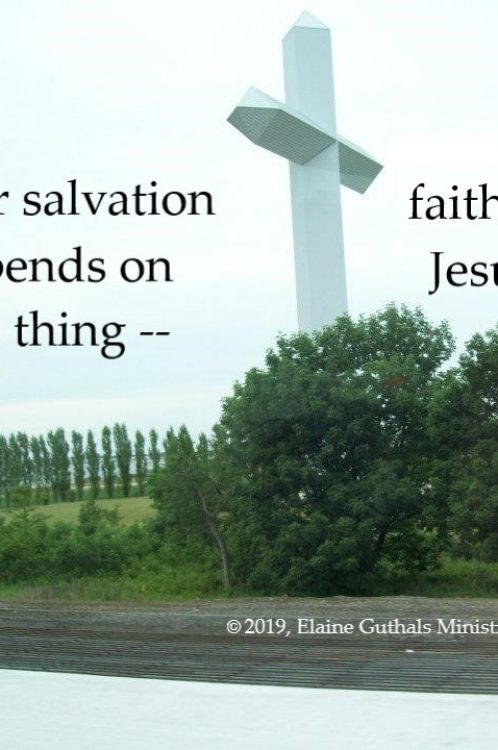
  • True Godliness

    Some people may have trouble wrapping their heads around what true godliness really is. This daily devotional looks at what it is by looking at what it isn’t.

    Nuggets

    • True godliness is not expressed by outward rituals.
    • True godliness is not religion.

    To read devotions in the Redo for Godliness series, click the appropriate button below.

    We are in for a treat today. At the end of The Gospel and Relationships in the Family, I told you that Steve and I became engaged.

    What I didn’t tell you was that he is Pastor Steve. I’ve already picked his brain on some things that I needed clarification on before I wrote them.

    Now, Pastor Steve has written this devotion! The only direction I gave him was to write on godliness. Enjoy!

    The concept of godliness may seem very elusive for many. After all, there is the old saying “Cleanliness is next to godliness.”

    However, that could lead the uninitiated in the Bible to think that a person who is a “clean freak” is far godlier than someone who cleans their house once a year whether it needs it or not. I speak in jest here, but the point is, the concept of godliness has absolutely nothing to do with being clean, although that has indications of certain spiritual issues that are outside of the scope of what this post is about.

    It is often difficult to determine the difference between true godliness and performance of rituals. True godliness is not shown by someone who outwardly displays rituals as a part of their worship of God, appearing to have godly qualities. What they are displaying is a devotion to their religion, whatever that may be.

    True godliness may appear outwardly to be no different from what is godly, but true godliness is an outgrowth of having a saving knowledge of Jesus Christ. It is a part of the relationship we build with the true, living God and an expression of our love for Him. It is not going through rituals that are often performed mindlessly out of religious devotion to a supposed deity.

    Let’s Put It into Context

    ‘But know this, that in the last days perilous times will come: For men will be lovers of themselves, lovers of money, boasters, proud, blasphemers, disobedient to parents, unthankful, unholy, unloving, unforgiving, slanderers, without self-control, brutal, despisers of good, traitors, headstrong, haughty, lovers of pleasure rather than lovers of God, having a form of godliness but denying its power. And from such people turn away! ‘ (II Tim. 3: 1-5 NKJV)

    This verse indicates that there are people who go through the motions of the rituals of the religion of their choice, to show that they are devout, even showing an appearance of godliness. Godliness, equated with the Old Testament term fear of the Lord, is reverence in thought, feeling, and conduct that is promoted by walking in His Spirit and obeying God’s laws and commandments and produces a moral likeness of God. 

    However, the reality is, they are not showing true godliness at all. By denying the power, it shows that they have no regard for what true godliness is and are merely doing things to outwardly show that they are godly.

    They perform rituals out of devotion to a false belief system. Lacking the regenerated heart that comes with being saved in Jesus, they believe that what they are doing makes them right in the eyes of God, because they ritually do these things. This is a worldly work centered theology that has no basis in truth.

    Regeneration is being changed from spiritually dead to spiritually alive and the internal requickening in us that God brings about through the work of the Holy Spirit to give us new character.

    • Spiritual death is the separation from God that occurred as a consequence of Adam and Eve’s original sin.
    • The spiritually alive are those who have ABCDed, so they are no longer separated from God.

    The ABCDs of Salvation

    If you have not become a believer in Christ, please read through the
    Plan of Salvation and prayerfully consider what God is asking you to do.

    A – admit our sins
    B – believe His Son Jesus is our Redeemer
    C – confess God as Sovereign Lord

    D – demonstrate that commitment by making any changes needed in our lives to
    live the way in which God has called us

    The Disciple’s Job Description

    Glossary

    Outward Appearances Are Not What They Seem

    “Woe to you, teachers of the law and Pharisees, you hypocrites! You clean the outside of the cup and dish, but inside they are full of greed and self-indulgence. Blind Pharisee! First clean the inside of the cup and dish, and then the outside also will be clean. “Woe to you, teachers of the law and Pharisees, you hypocrites! You are like whitewashed tombs, which look beautiful on the outside but on the inside are full of the bones of the dead and everything unclean. In the same way, on the outside you appear to people as righteous but, on the inside, you are full of hypocrisy and wickedness. ‘ (Mt. 23: 25-28 NIV)

    There is little doubt that the Pharisees and Sadducees were experts at the outward expression of godliness. Afterall, it was their profession.

    Person of Interest

    However, one would think since it was their profession and they were experts of the law as well, they would have that spiritual change required to be truly godly. The Pharisees and Sadducees were truly religious in every facet of their life.

    All throughout the Gospels, Jesus chastised them for their conduct, as evidenced in the above passage. They were not truly godly. No godliness existed in their cold, dead hearts.

    They were great at outward appearances of godliness. They wore nice robes, prayed long bombastic sounding prayers in temple or on the street corners to be noticed by the public and receive the accolades for being such spiritual and godly teachers.

    All of that, yet Jesus always gave them grief for their hypocrisy every time they were around. Why do you suppose that is? Read Matthew 23:25-28 again prayerfully and ask God to show you why.

    true-godlinessPin

    How Do We Apply This?

    How can we apply that to our daily walk with Jesus? Walking is the term used to describe how we live our lives.

    What does it mean to be “clean” on the inside? How can you make sure you’re not being like the Pharisees and Sadducees in your walk of faith? Have you ever considered hypocrisy being equated with lawlessness? How long have you been going to church every Sunday and yet have not received Jesus as your Lord and Savior?

    Two times in Matthew 23:25-28 Jesus tells the Pharisees and Sadducees that they have gone to the trouble of making their outside look wonderful, but on the inside, they were filthy dirty. They had no true godliness.

    How many of us would do the dishes, but only wash the outside of the bowls and plates, but do nothing for the inside where the food goes? Would you eat out of a bowl like that? If not, why? Because you’d likely get sick from eating out of such a bowl.

    Do you realize that if you live a life of appearing clean on the outside, but do nothing for your spirit, you are indeed sin sick and don’t even know it? We must be cleansed by the shed blood of Jesus to not be sick from sin that is in our heart!

    When I bought my first house, the bathroom had a slight mold problem over the shower stall. Now, being the young fellow that I was, I didn’t know better that you couldn’t simply paint over the mold with mold resistant paint and expect that it would take care of the problem. As I later found out, it didn’t take long for that mold to start appearing again.

    This is not unlike what not truly taking care of the sin in our heart will do. We may cover it up for a time, and from the outside, it all looks great. However, without the cleansing of our sin through salvation in Jesus, it will come back out eventually. So where does that leave us then?

    The Bible tells us that we have all sinned and fall short of the glory of God (Rom. 3:23). We have been born into a sin-fallen world, and there is no one who is not in need of salvation.

    Salvation is the gift of life through the deliverance from condemnation and sin to acceptance and holiness and changes us from being spiritually dead to spiritually alive.

    • Sins are actions by humans that disobey God and break one of His reasonable, holy, and righteous laws and commandments, goes against a purpose He has for us, or follows Satan’s promptings.
    • Holiness is the transcendent excellence of His nature that includes elements of purity, dedication, and commitment that lead to being set apart. Purity means possessing God’s moral character, having eliminated the stain of sin.

    Glossary

    We may be a good person and not harm anyone the way we live our lives, but without salvation, we are doomed to eternity in hell. The Bible tells us that there is no one born righteous into this world (Rom. 3:10). So, whether we feel like we are a sinner or not, we are.

    To read a related devotion, click the button below.

    No matter how many times we go to church in our lives, if we don’t have Jesus as our Lord and Savior, there’s no going to heaven for us. Jesus said in John 14: 6, “Jesus answered, ‘I am the way and the truth and the life. No one comes to the Father except through me’” (ESV).

    No matter what anyone else thinks, the only way into heaven is through Jesus. There are no multiple ways of doing it. Just one. Jesus (Ac. 4:12).

    What does all of this have to do with godliness? The fact of the matter is, to have true godliness operating in your life, the only way, is to give your life to Jesus.

    Ask him to save you from your sins. Then through the work of the Holy Spirit in your life, true godliness will become obvious.

    It will be a natural outgrowth of who you are in Jesus Christ. The fruit of the Spirit (Gal. 5:22) will be obvious in your life. People will be able to see it at work in you (Mt. 7: 16-20).

    You see, true godliness is not just an act of our will. It is a part of a renewed spiritual life than comes from knowing Jesus as your Lord and Savior.

    Heavenly Father, we ask you to show us how we are not living in true godliness. Show us where we need to completely commit ourselves to you, walk in your ways, and seek you in all that we do, so that we do not live in hypocrisy, but true godliness. Thank you for hearing our prayer. In Jesus’ name. Amen.

    What do you think?

    Leave me a comment below (about this or anything else) or head over to my Facebook group for some interactive discussion.

    If you don’t understand something and would like further clarification, please contact me.

    If you have not signed up for the email daily or weekly providing the link to the devotions and the newsletter, do so below.

    If God has used this devotion to speak with you, consider sharing it on social media.

  • Commissioned to Witness

    Many times, it is hard for us to witness. We are called, however, to do just that. This daily devotional looks at how Ezekiel was commissioned to witness.

    Nuggets

    • God strengthens the people He calls for ministry.
    • God calls each of us to do His work.
    • We have a great responsibility in order to be the watchman for the nation.

    I don’t know what it is about witnessing that makes us run, screaming, the other way. But we sure do.

    Maybe it is our fear of rejection. Maybe it is our belief of our unqualified state.

    It probably has a lot of components.

    In our Sunday Morning Bible Study, we are starting to look at Ezekiel. He and Daniel, whom we will study next, prophesied in their own way during the Babylonian captivity.

    Let’s see how Ezekiel was commissioned to witness.

    God Gives Us Strength

    “Look, I have made your face as hard as their faces and your forehead as hard as their foreheads. I have made your forehead like a diamond, harder than flint. Don’t be afraid of them or discouraged by the look on their faces, though they are a rebellious house” (Ezek. 3: 8-9 CSB)

    God strengthens the people He calls for ministry.

    Verse 8 is an interesting place at which to start the conversation. We have to remember who the Israelites were in Ezekiel’s time.

    Don’t get me wrong. They were basically who they always were — hard-hearted, rebellious people.

    The way Mackray described them was that they were worse than normal. They were mired in evil.

    The only difference now was that they were captives to the Babylonians. They hadn’t learned anything,

    Elaine-speak for verse 8. You think those Israelites are bullheads? They are. But I have made you just as bullheaded.

    Better yet, verse 9 says God made Ezekiel’s head as a diamond. What God was saying here was that Ezekiel was invincible.

    If you look at the King James Version, it says, “As an adamant harder than flint have I made thy forehead …” (Ezek. 3: 9 KJV). Mackray had this to say. He wrote, “It was given long before by God Himself to His captive prophet in Babylon, whose forehead, as he faced the people, whose hearts were cold and hard as stones, might well be firm as adamant, since, in his very name, Ezekiel, he carried the great power of God.”

    Resource

    What I get out of all of this is Ezekiel was no slacker. He was enough of a strong-willed person to put up with the wayward, willful people.

    I like the analogy of Ezekiel being a diamond. When a diamond catches the light just right, it reflects it.

    Ezekiel was reflecting God.

    Diamonds are made through temperature and pressure. Isn’t that how we are transformed into godly people?

    Ezekiel was forged to stand up to the wayward people and present God’s message.

    But look how Mackray, in a roundabout way, said Ezekiel was formed. He wrote, “But ‘the broken heart,’ though it may seem strange to say so, is the stoutest and bravest of hearts.”

    Resource

    God forges us by breaking us. “The sacrifice pleasing to God is a broken spirit. You will not despise a broken and humbled heart, God” (Ps. 51: 17 CSB).

    We are broken in order to fully submit to God. We truly have the fear of the Lord — reverence — when we are broken.

    Glossary

    The problem is that we equate being broken with weakness. In this case, that is not the case. The weakness makes us strong.

    “But he said to me, ‘My grace is sufficient for you, for my power is made perfect in weakness.’ Therefore I will boast all the more gladly about my weaknesses, so that Christ’s power may rest on me” (II Cor. 12: 9-10 NIV).

    God gives us grace — He hardens us — so that we can withstand the temptations Satan throws our way. We can weather the taunts of the worldview people.

    When God calls us to ministry — and He calls all of us — He will strengthen us so that we can perform the tasks He has given us.

    The Actual Commissioning

    “Next he said to me, ‘Son of man, listen carefully to all my words that I speak to you and take them to heart.  Go to your people, the exiles, and speak to them. Tell them, “This is what the Lord God says,” whether they listen or refuse to listen.’ The Spirit then lifted me up, and I heard a loud rumbling sound behind me — bless the glory of the Lord in his place! — with the sound of the living creatures’ wings brushing against each other and the sound of the wheels beside them, a loud rumbling sound. The Spirit lifted me up and took me away. I left in bitterness and in an angry spirit, and the Lord’s hand was on me powerfully.  I came to the exiles at Tel-abib, who were living by the Chebar Canal, and I sat there among them stunned for seven days” (Ezek. 3: 10-15 CSB)

    God calls each of us to do His work.

    God told Ezekiel that, while he needed to listen to all that was said, Ezekiel’s responsibility didn’t end there. Ezekiel had to take it to heart.

    Greenhill explains what God was getting at. He wrote, “What is in the head may soon be lost, but what is in the heart abides.”

    Resource

    We have to get it down to the heart level. “I have treasured your word in my heart so that I may not sin against you” (Ps. 119: 11 CSB).

    Greenhill reminded us that we have to start getting all of the sin out of our hearts before we can get God’s Word into it. He equated our hearts with soil.

    Apparently, Ezekiel did listen to God and got it down to his heart level. When he was sufficiently strengthened, God transported him to where he could work for Him.

    Ezekiel needed the strength. He was not being called to preach to a sympathetic audience. He was going to have a tough row to hoe.

    Welch reminded us of something important. He wrote, “To expect defeat is one of the surest ways of incurring it.”

    Resource

    Isn’t that how it goes a lot of times? If we expect to lose, we will. If we expect to win, we will. It is a self-fulfilling prophecy.

    The way I read this is that Ezekiel had to get out of the way and let God work. The Spirit did lift Him up. God did work through Him.

    I also read it that Ezekiel didn’t especially want to get out of the way. He was bitter and angry.

    Welch assured us that Ezekiel was not bitter and angry at God. He was bitter and angry at the people because God was.

    We can’t doubt God. We can’t try to compromise with the worldview.

    We have to serve God. It requires the strength that he gives us.

    Welch wrote that it also requires sympathy. It sounds like Ezekiel was stunned at the conditions he found.

    What God Sees Us Doing

    “Now at the end of seven days the word of the Lord came to me: ‘Son of man, I have made you a watchman over the house of Israel.When you hear a word from my mouth, give them a warning from me. If I say to the wicked person, “You will surely die,” but you do not warn him — you don’t speak out to warn him about his wicked way in order to save his life — that wicked person will die for his iniquity. Yet I will hold you responsible for his blood. But if you warn a wicked person and he does not turn from his wickedness or his wicked way, he will die for his iniquity, but you will have rescued yourself. Now if a righteous person turns from his righteousness and acts unjustly, and I put a stumbling block in front of him, he will die. If you did not warn him, he will die because of his sin, and the righteous acts he did will not be remembered. Yet I will hold you responsible for his blood. But if you warn the righteous person that he should not sin, and he does not sin, he will indeed live because he listened to your warning, and you will have rescued yourself’” (Ezek. 3: 16-21 CSB)

    We have a great responsibility in order to be the watchman for the nation.

    The watchman was the sentinel that kept an eye out for enemies attempting to storm the city and lay siege to it. It was very important that the watchman stay alert and be concerned about the welfare of the others. Spurgeon reminded us that the watchman had to receive orders to begin watch and end the watch.

    Resource

    Disciples must be the watchman, too. Disciples’ orders must come from God.

    We are told in our job description to preach the gospel to all and then make disciples of them. We are to warn others of their spiritual condition.

    The Disciple’s Job Description

    Complete Job Description

    Individual Description

    Job Duty #4
    Proclaim the Gospel (Mark 16: 15)

    Job Duty #6
    Make Disciples (Matthew 28: 19-20)

    Wow! I wonder when Patterson wrote his sermon. He was talking about how people in his time wanted a watered down version of the gospel so that it wouldn’t hurt and be frightening.

    Sound familiar?

    Patterson countered with he must because it is a matter of life and death — spiritual life and death. Spiritual death is the separation from God that occurred as a consequence of Adam and Eve’s original sin.

    • Sins are actions by humans that disobey God and break one of His reasonable, holy, and righteous laws and commandments, goes against a purpose He has for us, or follows Satan’s promptings.
    • The consequences of sin are spiritual death and separation from God.
    • The spiritually alive are those who have ABCDed, so they are no longer separated from God.

    Resource

    Glossary

    We have to realize that we have to know that there is sin in our lives — and it is wrong — before we can ABCD. In churchy terms, we have to be convicted before we are converted.

    That means we have to be trained to hear God. We have to believe in His Word and what it tells us. We have to seek God.

    Searching for and Seeking God

    Spurgeon gave great advice to those who want to witness — which should be all of us. He wrote, “The great thing, I believe, with a successful winner of souls is to hear God’s truth from God’s own mouth.”

    Resource

    Spurgeon gave us the order in which things need to occur.

    • Jesus calls us.
    • We are in fellowship with Jesus to receive training.
    • We are sent forth in His power.

    Why is the training so important? It is because the message is so important. It is a message of life and death.

    Oh, yeah. Some people are going to reject the message. It is easy to say that they are rejecting God, not us. Sometimes, it doesn’t feel like that, but it is the truth.

    We can’t say this enough. All disciples — of which we are one — are called to witness. Spurgeon put it this way. He wrote, “You may not all be called to the work of prophesying as ministers are, but you are all called by some means to warn men of the wrath to come and lead them to Christ, and I want you to feel that God is at the back of you when you warn sinners. God will own His truth, therefore never be ashamed of it.”

    Resource

    We are all to preach God’s Word and make disciples. It is really important to them that we do witness.

    No, not all of those we witness to are going to ABCD. Their response isn’t on us.

    Our nonresponse to God’s commission for us to witness is going to have great consequences for us. We need to follow God’s plan for our lives.

    The ABCDs of Salvation

    If you have not become a believer in Christ, please read through the
    Plan of Salvation and prayerfully consider what God is asking you to do.

    A – admit our sins
    B – believe His Son Jesus is our Redeemer
    C – confess God as Sovereign Lord

    D – demonstrate that commitment by making any changes needed in our lives to
    live the way in which God has called us

    The Disciple’s Job Description

    comissioned-to-witnessPin

    Making the Connections

    Why is it so important for us to preach God’s message? Welch wrote, “In the light of God[,] the presence of moral disorder can be reconciled with His superintending goodness and mercy. And as we are lifted up in spirit into that light we see that there is an explanation of these terrible perplexities, a solution of these baffling problems, an unfolding of an occult and inscrutable plan.”

    Resource

    God has a plan for everything. He sees the good that will happen to us — and the bad.

    Through it all, God is in control.

    How Do We Apply This?

    • Follow God’s laws and commandments because that is His Will for our lives.
    • Be prepared to tell the unpopular and unpleasant message.
    • Don’t sugarcoat the message just to be accepted by man. That is compromising with the worldview.
    • Be passionate about God’s message and what He has done for us.
    • Speak from our heart.

    Resource

    What is all of this lesson about? Go out and witness where God calls us.

    Father God. Thank You, Lord, that, when You call us to witness for You, You equip us to do just that. You call us and train us. You strengthen us to withstand the rejection. May we witness to all to whom You have chosen us to speak. Amen.

    Searching for and Seeking God

    Hearing His Word (Rom. 10: 17).
    Reading His Word (Rev. 1: 3).
    Praying to Him (Heb. 4: 16).
    Studying His Word (Ac. 17: 11).
    Meditating on His Word (Ps. 1: 1-2).
    Memorizing His Word (Ps. 119: 11).

    What do you think?

    Leave me a comment below (about this or anything else) or head over to my Facebook group for some interactive discussion.

    If you don’t understand something and would like further clarification, please contact me.

    If you have not signed up for the email daily or weekly providing the link to the devotions and the newsletter, do so below.

    If God has used this devotion to speak with you, consider sharing it on social media.

  • The Benefits and Consequences of Godliness

    God calls disciples to be godly people. This daily devotional reviews how we benefit from being godly and the consequences of not being so.

    To read devotions in the Redo for Godliness series, click the appropriate button below.

    God gives us free will as to whether or not we are going to pursue godliness. Free will is the ability within us to make decisions, which determine actions that produce character.

    To help convince us to choose to follow Him, God shows us the benefits of ABCDing. He also shows us the consequences of not doing to.

    Benefits of Godliness

    • Godliness breeds contentment because our relationships with God is where they should be. It fosters contentment because we become like God (Starting Anew: Redo for Godliness; Godliness: The Parent of Contentment).
    • Joy from above only comes when we are seeking God as joy and pleasure are only found in the presence of God. If we aren’t in God’s presence — communicating with Him — we don’t have it (How Do We Set Our Love, Desire, Hope, and Joy Above?; More Benefits of Setting Our Affections on Things Above).
    • Faith promotes the circumstances that create joy, making joy is a product of our faith. Faith = Joy. No Faith = No Joy (How Do We Set Our Love, Desire, Hope, and Joy Above?).
    • It is through the two-way communication that we learn Who God really is. He reveals more of Himself to us than is in the Scriptures (Renewing Our Inner Person from Anxiety).
    • We are to pray to God about everything. That means we shouldn’t keep a portion of our lives back from His control (Renewing Our Inner Person from Anxiety).
    • We have to realize we have to evaluate the good and the bad. We can’t just work on the good and ignore the bad. We will always have issues that might become big issues one day (Transformed to Humility through Grace).
    • When we see peace as an absence of conflict, we take our eyes off God. God wants us to see and know His peace within the conflict (Improving Silence in Our Minds).
    • Being right with God brings us joy. We see the perfection. We feel the trustworthiness. We see that His commands are predicated on His Love for us. It makes us love and revere God more (Attributes of God: Righteousness).

    Results of Ungodliness

    • If we are not changed, we cannot live with God for eternity. The disciples who have navigated the Sanctification Road and had their character changed to that of God’s will be rewarded for their obedience to God. Only those who have changed to perfection will be admitted to Heaven (What Affections Are We Talking About?; Influencing the Soul).
    • If we don’t ask, then it means we are not submitted to God. We may feel we are entitled to what God wants to give us. Asking makes the receiving of the mercies sweeter (Renewing Our Inner Person from Anxiety).
    • A disciple weak in faith is separated from Jesus (The Law of Unity).
    • When we stop listening to God, we start being irreverent and insincere when — if — we worship Him. God doesn’t want us to make promises to Him that we aren’t going to keep (Why Should We Listen When Worshiping?).
    • We can’t think that God’s love is going to win out over His intolerance of sin (Attributes of God: Purity).
    the-benefits-and-consequences-of-godlinessPin

    Making the Connections

    • The listening makes us docile — teachable. That is what God wants (Mastering Silence of the Tongue).
    • Our being in the temple has no bearing with God being in the temple. We could be indifferent, neglectful, or downright rebellious toward God. He will still be God in His temple (The Silence of Cheerfulness and Rejoicing).
    • God renews our self-esteem when our baggage-wagons get too full (Renewing the Inward Person).
    • It is all about redemption. God’s #1 priority is the condition of our soul. Is it spiritually dead or spiritually alive? (More Benefits of Setting Our Affections on Things Above).
    • The condition of our soul is much more important than what is happening in this life. Should we be surprised that God is placing the emphasis on how we are progressing from the milk baby to steak adult? No. His concern is always our spiritual condition. Our comfort in this life is secondary to that (Renewing Our Inner Person from Anxiety; How Do We Go from Milk Baby to Steak Adult?).
    • We have to realize that this is all about God and Jesus. It is all about God because He didn’t turn His back on us when we disobeyed Him. It is all about Jesus because He died for us. It isn’t about what we want or need out of this life. It isn’t about what we can or should do. It is about what God has already done for us (Prioritizing Things Above).
    • One thing we have to keep in mind is that we need God — God doesn’t need us. God would still be God even if He had never created mankind (Attributes of God: Eternal and Infinite).
    • Silence of our soul starts out with being in the Presence of God. It is a fancy way of saying focus on God (Promoting Silence in Our Soul).
    • God’s work is the actions He takes through us to accomplish His plans, which are accomplished perfectly (Attributes of God: Perfect).

    How Do We Apply This?

    • God’s love for us will never change. Yes, God is going to love us regardless of our actions. But we can’t use that as an excuse not to change (What Affections Are We Talking About?).
    • We are to consistently read God’s Word so that the connection formed with Him will help us corral our thoughts. We need to prayerfully read the Scriptures, asking God to increase our knowledge and submissiveness. We can’t read a couple of verses and think God is pleased with our devotional efforts. We can’t think we are going to learn all about God and Jesus with a five-minute read. We have to consistently study God’s Word and meditate on what we have read (How Else Do We Set Our Thoughts Above?).
    • There are a lot of things about God that we don’t understand. He has revealed only some to us in His Word (Renewing Our Inner Person by Being Sober).
    • Our relationships with God happen in our minds and in our hearts. That means the relationships are greatly impacted by our thoughts. We have to structure our thoughts so they grow our relationships with God, not hinder them. He wants us to be thoughtful about what pleases Him. We have to put the focus on Him (How Else Do We Set Our Thoughts Above?; Renewing Our Inner Person by Being Sober).
    • It may be called renewing your mind, but it is the renewing of the spirit of the mind. God is working on our hearts (Growing Our Souls; How Do We Go from Milk Baby to Steak Adult?).
    • Yes, we can question God. We cannot doubt Him. We have to always give Him the glory and honor He is due (How Else Do We Set Our Thoughts Above?).
    • God renews us daily, so we can’t quit trying. If we give up, Satan has won this battle. We know he won’t win the war against God. We can’t let him capture our baggage-wagons, so that we take our eyes off God (Renewing the Inward Person).
    • Because we are His, we will have to be ready to fight whatever Satan throws our way (Renewing Our Inner Person by Being Sober).
    • We keep our focus on God by remaining in communication with Him. How are we supposed to combat our anxiety? By prayer, supplication, and thanksgiving. We can’t do it by ourselves. We can’t do it with worldly methods. We can’t depend on a significant other or family member. We need to go to the Source (Renewing Our Inner Person from Anxiety).
    • We do have to ask in His Will. Our petitions have to be genuine. They have to recognize God as our Creator and Ruler (Renewing Our Inner Person from Anxiety).
    • Instead of being fearful, we should be thankful. Even when our anxiety is at its peak, we should be thankful (Renewing Our Inner Person from Anxiety).
    • We have to seek God because He is Sovereign God and loves us. We are to seek God’s righteousness because then we are truly seeking God. We have to seek God completely. It should be our strongest desire to be more like Him. We should seek what God values. He values our salvation and obedience. When we seek God, we will find Him (How Do We Set Our Affections Above?).
    • We are to put nothing before God. God has to rank first above “… father and mother, wife and children, brothers and sisters — yes, and even his own life …” (Lk. 14: 26 CSB) (Prioritizing Things Above).
    • It isn’t that we just do things that Jesus calls us to do. We have to also lessen the pull this world has on us (Prioritizing Things Above).
    • True disciples produce evidence of their conversion (John the Baptist’s Tough Message).
    • When we know Jesus and consider what He has done for us, we value what He has done (Prioritizing Things Above).
    • We are to remember the sacrifice that Jesus made for us. Are we acknowledging that He is the Savior, the only way we could gain salvation? We are to examine our hearts and lives. Are we navigating the Sanctification Road as we should? Have we gotten our redo for godliness to the heart level? (How Else Do We Set Our Thoughts Above?).
    • We are to come acknowledging our need for Him rather than kicking ourselves that we don’t meet the standard (How Else Do We Set Our Thoughts Above?).
    • Because grace and faith are gifts from God, we should be humble. It is all about coming humbly and reverently. It is about setting our thoughts on Him and acknowledging we would be nothing without Him (Transformed to Humility through Grace; How Else Do We Set Our Thoughts Above?).
    • Our motives must be based on serving Christ until we are called home (How Do We Set Our Love, Desire, Hope, and Joy Above?).
    • When we do choose to be a living sacrifice, it has to be a daily submission (Transformed to Perfection).
    • We have to control our thoughts and allow God’s call to come through (Transformed to Humility through Grace).
    • Part of the think sensibly is the ability for us to evaluate ourselves and our relationship with God (Transformed to Humility through Grace).
    • We have to particularly watch when we evaluate ourselves by comparing ourselves to others. We can also make up, magnify, and misrepresent their qualities (Transformed to Humility through Grace).

    Father God. We want to have Your character. We want this not just to reap the benefits of doing so and miss the consequences of not doing so. We want Your character because of the attributes that You possess: loving, merciful, faithful, caring, forgiving, gracious, compassionate, and good. Amen.

    The ABCDs of Salvation

    If you have not become a believer in Christ, please read through the
    Plan of Salvation and prayerfully consider what God is asking you to do.

    A – admit our sins
    B – believe His Son Jesus is our Redeemer
    C – confess God as Sovereign Lord

    D – demonstrate that commitment by making any changes needed in our lives to
    live the way in which God has called us

    The Disciple’s Job Description

    What do you think?

    Leave me a comment below (about this or anything else) or head over to my Facebook group for some interactive discussion.

    If you don’t understand something and would like further clarification, please contact me.

    If you have not signed up for the email daily or weekly providing the link to the devotions and the newsletter, do so below.

    If God has used this devotion to speak with you, consider sharing it on social media. 

  • How Do We Get to Godliness?

    It is great to say that we need to have a relationship with God. This daily devotional reviews how we get there.

    To read devotions in the Redo for Godliness series, click the appropriate button below.

    After conversion, it is important that we build a relationship with God. Considering God is a spirit, that might be confusing to some.

    We grow our relationship with God by navigating the Sanctification Road.

    How Do We Get to Godliness?

    • God doesn’t want us playing at godliness. He wants us to be godly (Transformed to Love).
    • God will not accept just an outward conversion. He is expecting our character to be changed (Transformed to Love).
    • We have to remember that God is working with what we are, but that He is trying to get us all to the same place — pure like Him. God has to start with what each of us are and where we are (Attributes of God: Purity).
    • We don’t have to do anything for salvation except accept the gift. However, sanctification has aspects of being, doing, and suffering. The being is believing in the doctrines (Transformed by Persistence).
    • In order to accomplish our redo, we have to give God the priority in every area of our lives. It also means growing in the three sides of godliness (Starting Anew: Redo for Godliness).
    • God knows our level of commitment in getting back to being in His image. He knows if we are genuine in our efforts — or if our motivations are skewed (In Whose Image Are We Made: God’s or Abram’s?).
      • Only God can make us godly and righteous. To do that, we have to seek God (What Is the Power That Can Make Us Godly?).
      • God will show us where we need to grow to be like Him. However, He wants us to make sure we are always looking for those growth areas (Growing in Godliness).
      • In order to grow, we need to remember the past experiences God has taken us through to know what is in our hearts (How Do We Go from Milk Baby to Steak Adult?).
      • As we focus on Him, we can see the areas in which God is working (What Affections Are We Talking About?).
      • Our relationship with God is the highest we can have. Some non-believers argue they don’t have one. But they do. We all do — even without knowing it. God knows all of us before He formed us. God has a relationship with us — even if we don’t acknowledge it. That means we have obligations to God (The Morality of Being Just).
      • We have to have a genuine relationship with Him. We have to be diligently seeking Him. We have to be committed to doing what God calls us to do, beginning with repentance that impacts how we live our lives (What Is the Power That Can Make Us Godly?).
      • True godliness can only come from an inward relationship with Him bubbling out to an external expression (What Is the Power That Can Make Us Godly?).
      • Gaining the character of God begins with our choice. Yeah, it is going to take work. But if we are diligent, our character does become like His (Growing in Godliness).
      • God always intended to give us free will (What Are the Causes and Effects of Evil? (Part 2)).
      • Our hearts will only be softened and receptive when it is our choice to seek God. We seek God by searching His Word. That gives us wisdom. It has to impact our minds and our lives and become our source of life (A Three-Step Approach to Knowing God).
      • God requires us to choose to live the way that honors Him (Attributes of God: Faithfulness).
      • We are to choose God because of Who He is, not what we gain from Him (Attributes of God: Faithfulness).
      • We love God by showing that we want to please Him. We love God by enjoying being in His presence (Learning about Love).
      • We can’t rely on religious ceremony to secure God living within us. It has to be a redo for godliness — changing our character to be like Him. That means: fixing our minds to acknowledge we are not great, learning to truly worship God, getting God to our heart level, and kicking out the doubts through prayer (Attributes of God: Transcendent).
      • The product of our declaring and entwining the gospel with our lives is the change of character to godliness (Attributes of God: True).
      • We don’t get to keep old sins while we get the hang of being a disciple. We have to make a conscious decision up front as to whether we are all in for God or are we keeping with the worldview (Growing Our Souls).
      • If we do not put on our new selves, we haven’t made a genuine profession of faith (Growing Our Souls).
      • We look at things through the lens of our own experiences, knowledge, and opinions. He has to start where we are and grow us. We have to flip that. We really need to look at God as Who He is in Scriptures and as He reveals Himself to us (What Are Acts of Mercy?).
      • If we are to grow in grace and knowledge (II Pet. 3: 18), that means we don’t know everything today. That means we haven’t gotten a full understanding of His mercy (What Are Acts of Mercy?).
      • Instead of being content in the knowledge of Jesus, we sometimes get hung up on what we don’t understand. It doesn’t matter what we know or not know. What matters is that we know the One Who is all-knowing (Reasons Why We Should Not Set Affections on Earthly Things).
      • God wants us to make conscious decisions to follow Him. In order to do that, we need to know all we can about our relationships with Him (How Do We Go from Milk Baby to Steak Adult?).
      • In order to grow, we have to prove we are making a genuine profession of faith (How Do We Go from Milk Baby to Steak Adult?).
      • We have to prove that we genuinely believe in God as our Heavenly Father and Jesus as our Savior. We believe it enough to change our character to reflect Them (How Do We Go from Milk Baby to Steak Adult?).
      • We’ve got to imitate God’s character. We have to be Him, not do to earn or perfection (Jesus’ Prayer of Submission).
      • God’s laws and commandments aren’t a strict checklist to determine how many of the do’s did we do — and how many of the don’ts. They are to show us God’s character. We are to use what we learn from them to aid us in determining our actions in other situations (Jesus’ Prayer of Submission).
      • It is all about the submission. It isn’t about understanding. It isn’t even about feelings. It isn’t about religious affiliation. It is about letting God have His way. Even if He is calling us to do or give up something we don’t want. Even if it is going to hurt (Jesus’ Prayer of Submission).
      • Submission to God has two elements: follow God’s Will perfectly and, if something is not His Will, not making it our will (Jesus’ Prayer of Submission).
      • We cannot, however, gloss over the fact that seeking Him is a command. It doesn’t say seek when we feel like it. It doesn’t say seek when we have everything figured out. It says seek to find knowledge of God. Seek to find Him (A Three-Step Approach to Knowing God).
      • We can’t be a regenerated new creation when we are hanging on to old sin (What Do Morality, Grace, and Regeneration Have in Common?)
      • So, we are supposed to seek God for answers even if we may not understand them and even though He may or may not tell us? Wait a second. Jeremiah 29: 13 doesn’t say anything about seeking for answers. It says seek God. God instructs us to seek Him, not understanding. It means seek a relationship with Him. It means seek to imitate His character. All the other answers we seek are inconsequential. Everything else is second tier to getting our spiritual condition right (Attributes of God: Mysterious and Incomprehensible).
      • The Scriptures are a big reveal to us. However they are only — really — an introduction to God. He reveals even more of Himself to His children through the Holy Spirit. He is going to save the explanations for those who have communication with Him and those who have His character (Attributes of God: Mysterious and Incomprehensible).
      • We have to approach God with humility. We can’t lead with arrogance (Attributes of God: Mysterious and Incomprehensible).
      • But what is God really looking for when He looks inwardly? He is looking for motivation. Have we really submitted our lives to Him? Are we using the Sanctification Road to change our characters to be like His? (Prayer the Wrong Way).
      • It isn’t enough to just know of Him. It isn’t enough to just say we love Him. We have to make a conscious decision to live our lives in the way He wants us to live (Attributes of God: Faithfulness).
      • God wants to know that we’ve had a changed heart. He needs to know that we are submitting to Him. Anything less, we would still be saying, like Adam and Eve, that we don’t have to listen to God. We would be implying that we are — at a minimum — His equal. God is our Creator. He does not have to settle for anything less than our complete obedience (Attributes of God: Faithfulness).
      • We are renewed every day. This helps us to grow because we never reach perfection here. There is always something new to learn about God. He is always working on our character to make us more like Him (Renewing the Inward Person).
      • We put off our old self through regeneration — by saying we believe in God. But there is more to it than that. If we only take off half of the old self or put on half of the new self, we still aren’t where God wants us to be. He wants us to totally submit to Him at conversion. It is to be a complete break from our old sins (Growing Our Souls).
    • As we focus on Him, we can see the areas in which God is working (What Affections Are We Talking About?).
    • Instead of being content in the knowledge of Jesus, we sometimes get hung up on what we don’t understand. It doesn’t matter what we know or not know. What matters is that we know the One Who is all-knowing (Reasons Why We Should Not Set Affections on Earthly Things).
    • God wants us to make conscious decisions to follow Him. In order to do that, we need to know all we can about our relationships with Him (How Do We Go from Milk Baby to Steak Adult?).
    • In order to grow, we have to prove we are making a genuine profession of faith (How Do We Go from Milk Baby to Steak Adult?).
    • We have to prove that we genuinely believe in God as our Heavenly Father and Jesus as our Savior. We believe it enough to change our character to reflect Them (How Do We Go from Milk Baby to Steak Adult?).
    • We’ve got to imitate God’s character. We have to be Him, not do to earn or perfection (Jesus’ Prayer of Submission).
    • God’s laws and commandments aren’t a strict checklist to determine how many of the do’s did we do — and how many of the don’ts. They are to show us God’s character. We are to use what we learn from them to aid us in determining our actions in other situations (Jesus’ Prayer of Submission).
    • It is all about the submission. It isn’t about understanding. It isn’t even about feelings. It isn’t about religious affiliation. It is about letting God have His way. Even if He is calling us to do or give up something we don’t want. Even if it is going to hurt (Jesus’ Prayer of Submission).
      • Submission to God has two elements: follow God’s Will perfectly and, if something is not His Will, not making it our will (Jesus’ Prayer of Submission).
      • The will of God is that we change our character be like His. We are to become holy and set apart so that we can be perfected. If we don’t, we will be the ones saying, “Lord, Lord” (What Affections Are We Talking About?).
      • Knowing Christ and striving to imitate Him produces His character in us. That means we see ourselves as we really are (Reasons Why We Should Not Set Affections on Earthly Things).
      • We are to grow in the knowledge of God and produce good fruit (Reasons Why Should Not Set Affections on Earthly Things).
      • Living for God means that we live in a sinful world while trying to not sin (Reasons Why Should Not Set Affections on Earthly Things).
      • If we put God first, then we must put Him above the things of this world. This includes our jobs, our relationships, our hobbies, etc. (Reasons Why Should Not Set Affections on Earthly Things).
      • What we are going for here is more than just a head knowledge. We can’t just know that Jesus lived as a man. We have to know that He came to redeem us (Reasons Why Should Not Set Affections on Earthly Things).
      • We are to make God our priority. That is putting Him first in time and attention (How Do We Set Our Affections Above?).
      • Renewing our minds is a redo of our thoughts. After conversion, disciples are to concentrate on being a new creation. We concentrate on thinking right (Transformed to a New Mind).
      • The renewed mind must lead to a transformed life. It is still us and our personality. We transform to be like the Perfect God (Transformed to a New Mind).
      • The transformation brought on by renewing our minds should lead to perfection (Transformed to a New Mind).
      • While we have to evaluate how far we have come, it is also detrimental to compare ourselves with the old us. If we are growing as we should, the evaluation won’t highlight areas in which we need to continue our work (Transformed to Humility through Grace).
      • We must be open to where God will grow us. He has a plan for our lives. He has a job for us to do (We Are All Ministers).
      • Aren’t we always trying to build and grow? Haven’t we said that is what the Sanctification Road is about? What if it isn’t a continuum leading us to be closer to God? What if it is the circles of being, doing, and suffering, and we being the circle again each day? When the circles interlock like the picture shows, the doing and the suffering does kick us up to the being. The being invites Satan to tempt us, kicking us down to the suffering. The doing is probably something different than we would think. It isn’t works based — although we have to show through our actions that we are disciples of Christ. The doing, in my opinion, is us showing we have made the choice to join the living. We have to show we are doing for the right reason — because we are honoring Sovereign God (Joining the Living).
      • God wants to be the priority in our lives with us being humble (Guarding Our Hearts from Prideful Thoughts).
      • Jesus chose us; we have to choose Him (Focusing Our Thoughts Off of the World).
      • We must make a choice to fully change our character to be more like His. We can’t ABCD, and then not start on the Sanctification Road (Joining the Living).
      • We don’t know that we are spiritually dead until we realize we need Jesus as our Savior (Joining the Living).
      • God is only asking us to do what is the very best for us. He isn’t being some meany. He is loving us (Living the Life).

    Father God. The process of sanctification is not easy. It can be confusing. We can feel separated from You. It can downright hurt. But it is how we gain Your character. It is how we get to godliness. Help us to navigate it so we can become perfect when You call us home. Amen.

    how-do-we-get-to-godlinessPin

    What do you think?

    Leave me a comment below (about this or anything else) or head over to my Facebook group for some interactive discussion.

    If you don’t understand something and would like further clarification, please contact me.

    If you have not signed up for the email daily or weekly providing the link to the devotions and the newsletter, do so below.

    If God has used this devotion to speak with you, consider sharing it on social media.